
Summary
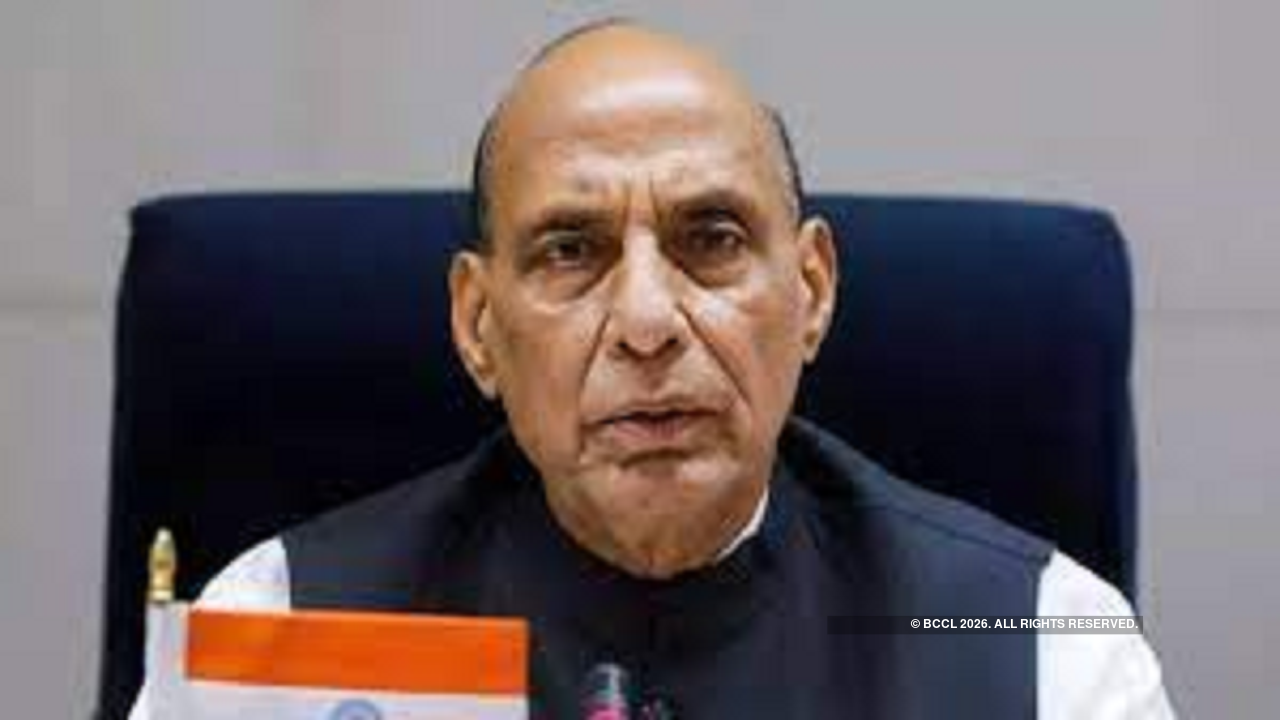
India's Defense Minister, Rajnath Singh, recently stated that India is ready to help bring peace to West Asia. He mentioned that it is possible for India to play a meaningful role in ending the ongoing conflicts in the region. This statement comes at a time when the Middle East is facing high levels of tension and violence. India’s balanced relationship with many different countries makes it a unique candidate to help talk through these difficult issues.
Main Impact
The main impact of this statement is a shift in how India views its role on the world stage. For a long time, India stayed out of distant conflicts. Now, the country is showing that it is willing to use its growing influence to help solve global problems. If India becomes a mediator, it could offer a new way to reach peace that does not rely solely on Western powers. This could lead to more stable energy prices and better safety for the millions of people living and working in the region.
Key Details
What Happened
During a public discussion, Defense Minister Rajnath Singh was asked about the current situation in West Asia, specifically the conflict between Israel and other groups in the region. He responded by saying that India’s global standing has improved significantly over the last few years. Because of this, he believes India has the potential to act as a peacemaker. He did not give a specific plan but made it clear that India is open to the idea if it can help stop the fighting.
Important Numbers and Facts
India has a very strong connection to West Asia for several reasons. First, more than 8 million Indian citizens live and work in Middle Eastern countries. These workers send billions of dollars back home every year, which helps the Indian economy. Second, India gets a large portion of its crude oil and natural gas from countries like Saudi Arabia, Iraq, and the UAE. Any long-term war in that area could cause gas prices in India to rise sharply. Finally, India has maintained a "Two-State Solution" policy for decades, which means it believes both Israel and Palestine should exist as independent, peaceful nations.
Background and Context
West Asia, often called the Middle East, has been a center of conflict for a very long time. Recently, the situation has become even more dangerous with direct fighting and rising anger between different nations. India is in a special position because it has a "strategic partnership" with Israel, meaning they work together on technology and defense. At the same time, India has very deep historical and economic ties with Arab nations. Unlike some other powerful countries, India is seen as a neutral friend by many sides. This makes people think that India might be able to get everyone to sit down and talk when others cannot.
Public or Industry Reaction
Many political experts have reacted positively to the idea of India helping with peace talks. They say that India’s policy of "Strategic Autonomy"—which means making its own choices rather than following a big power like the US or Russia—gives it a lot of trust. However, some people are cautious. They point out that the problems in West Asia are very old and very complicated. They wonder if any single country, even one as large as India, can truly bring a lasting end to the violence. Within India, the statement is seen as a sign of national pride and a growing sense of responsibility as a global leader.
What This Means Going Forward
Going forward, we might see India taking more active steps in international diplomacy. This could include hosting peace meetings or sending special officials to talk with leaders in the Middle East. India will likely continue to call for an immediate end to violence and a return to talking. The biggest challenge will be balancing the needs of all sides without losing the trust of any one group. If India succeeds, it will prove that it is a true global power. If the situation stays the same, India will still have to work hard to protect its citizens and its energy supplies from the effects of the war.
Final Take
India is no longer just watching global events from the side. By suggesting it can help bring peace to West Asia, the Indian government is showing that it is ready to take on big challenges. While the path to peace is very difficult, India’s balanced approach and strong friendships could be the key to finding a solution that works for everyone. The world will be watching to see if these words turn into actions that can finally bring stability to a troubled part of the world.
Frequently Asked Questions
Why does India want to help with peace in West Asia?
India wants peace because it has millions of citizens living there and relies on the region for oil. Stability in West Asia helps keep the Indian economy strong and its people safe.
What is India's official position on the Israel-Palestine conflict?
India supports a "Two-State Solution." This means India wants to see an independent state for Palestinians living in peace alongside the state of Israel.
Can India really stop the fighting?
While India cannot force countries to stop fighting, it can act as a mediator. Because India has good relations with both Israel and Arab nations, it can help facilitate communication and suggest peaceful solutions.



