Summary
The Congress party has launched a major protest against the recent trade agreement between India and the United States. During a large meeting in Bhopal, party leaders called the deal a "surrender" and demanded that the government cancel it immediately. They argue that the agreement favors American interests while putting Indian farmers and local industries at a serious disadvantage. This protest marks the beginning of a nationwide campaign to highlight the potential risks of the deal.
Main Impact
The primary concern raised by the opposition is the economic pressure this deal puts on India’s agricultural sector. By allowing more American goods into the country with lower taxes, local farmers may face tough competition from cheaper imports. Congress leaders claim that the deal could lead to India spending approximately ₹9 lakh crore every year on American products. This massive spending could drain resources that might otherwise support domestic growth and self-reliance.
Key Details
What Happened
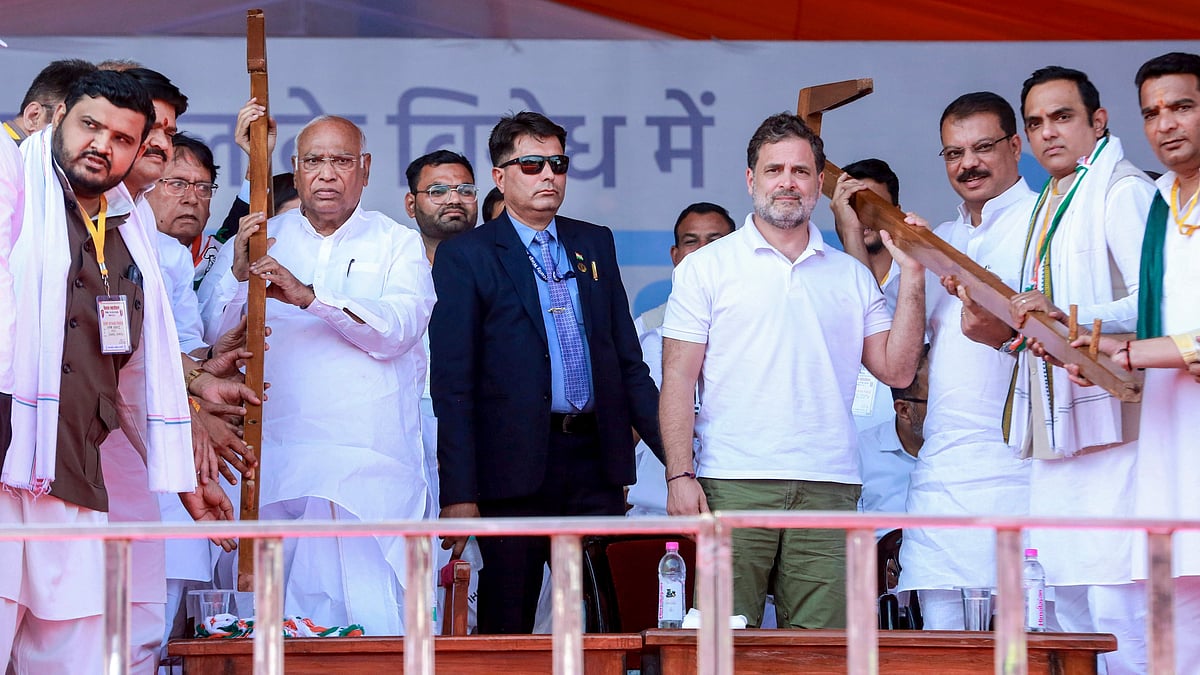
On February 24, 2026, the Congress party organized its first 'kisan chaupal' in Bhopal, Madhya Pradesh. This was the first of six planned events aimed at educating the public about the India-US trade deal. Rahul Gandhi, a key leader of the party, spoke to the crowd and accused the Prime Minister of compromising the country's interests. He pointed out that while other nations are reconsidering their trade terms with the US, the Indian government has remained silent and committed to the current agreement.
Important Numbers and Facts
The trade framework was first announced on February 2, 2026. Under the current terms, the United States will apply a tax of about 18 percent on many important Indian exports. These exports include items like clothing, leather goods, chemicals, machinery, and jewelry. In exchange, India has agreed to lower its own taxes on various American industrial and farm products. The deal also requires India to increase its purchases of American technology and energy supplies.
Background and Context
Trade deals are meant to help two countries grow by making it easier to buy and sell goods. However, this specific deal has become controversial because of recent legal changes in the United States. The US Supreme Court recently ruled that certain trade taxes previously set by the American government were not legal. Because of this ruling, some experts believe the current deal is no longer fair for India. The Congress party argues that the government should have used this opportunity to walk away from the deal or ask for better terms, but they claim the government failed to do so.
Public or Industry Reaction
The reaction from the Congress party has been very sharp. Rahul Gandhi suggested that the government is being pressured by the US through various legal and political means. He mentioned the "Epstein files" and ongoing legal cases in the US involving businessman Gautam Adani as possible reasons why the government might feel forced to agree to the deal. Meanwhile, Congress President Mallikarjun Kharge stated that the party would never accept an agreement that threatens India's energy security or the livelihoods of its farmers. He emphasized that India must remain independent and not bow to outside pressure.
What This Means Going Forward
The Congress party plans to take this message to five more locations across India. They want to build a movement that forces the government to rethink its trade strategy. If the government continues with the deal, it could face more protests from farming groups and local business owners who fear they will lose money. The next few months will be critical as the public watches how the government responds to these challenges and whether any changes are made to the trade terms to protect local interests.
Final Take
The dispute over the India-US trade deal highlights the difficult balance between building international partnerships and protecting domestic workers. While the government views the deal as a way to strengthen ties with a powerful ally, the opposition sees it as a threat to the very foundation of India's economy—its farmers. As the debate continues, the focus will remain on whether the deal truly benefits the average Indian citizen or if it serves a different political agenda.
Frequently Asked Questions
What is the 'kisan chaupal' organized by Congress?
It is a series of public meetings held by the Congress party to discuss issues affecting farmers. The first meeting took place in Bhopal to protest the India-US trade deal.
Why is the US Supreme Court ruling important for this deal?
The court ruled that certain US trade taxes were illegal. Congress argues that this makes the current deal one-sided and that India should renegotiate the terms now that the legal situation has changed.
Which Indian industries are most affected by the trade deal?
The deal impacts several sectors, including textiles, leather, chemicals, and pharmaceuticals. These industries face an 18 percent tax when exporting goods to the United States under the new agreement.