
Summary
The Indian government has officially responded to recent comments made by former U.S. President Donald Trump. During his public speeches, Trump reportedly used the term "hell-hole" while discussing international conditions and trade. India’s Ministry of External Affairs (MEA) stated they have seen the reports but remain focused on the broad partnership between the two nations. This situation highlights the delicate balance of diplomacy during a major election year.
Main Impact
The primary impact of this exchange is the renewed focus on how political leaders talk about their allies. When a major political figure uses strong language, it can cause temporary tension in international circles. However, the MEA’s response was measured and calm. They chose not to start a verbal fight or use aggressive language in return. Instead, they pointed to the long-term goals that both India and the United States share. This approach helps keep the relationship stable even when political talk becomes heated. It also shows that India is confident in its global position and does not feel the need to react to every campaign comment.
Key Details
What Happened
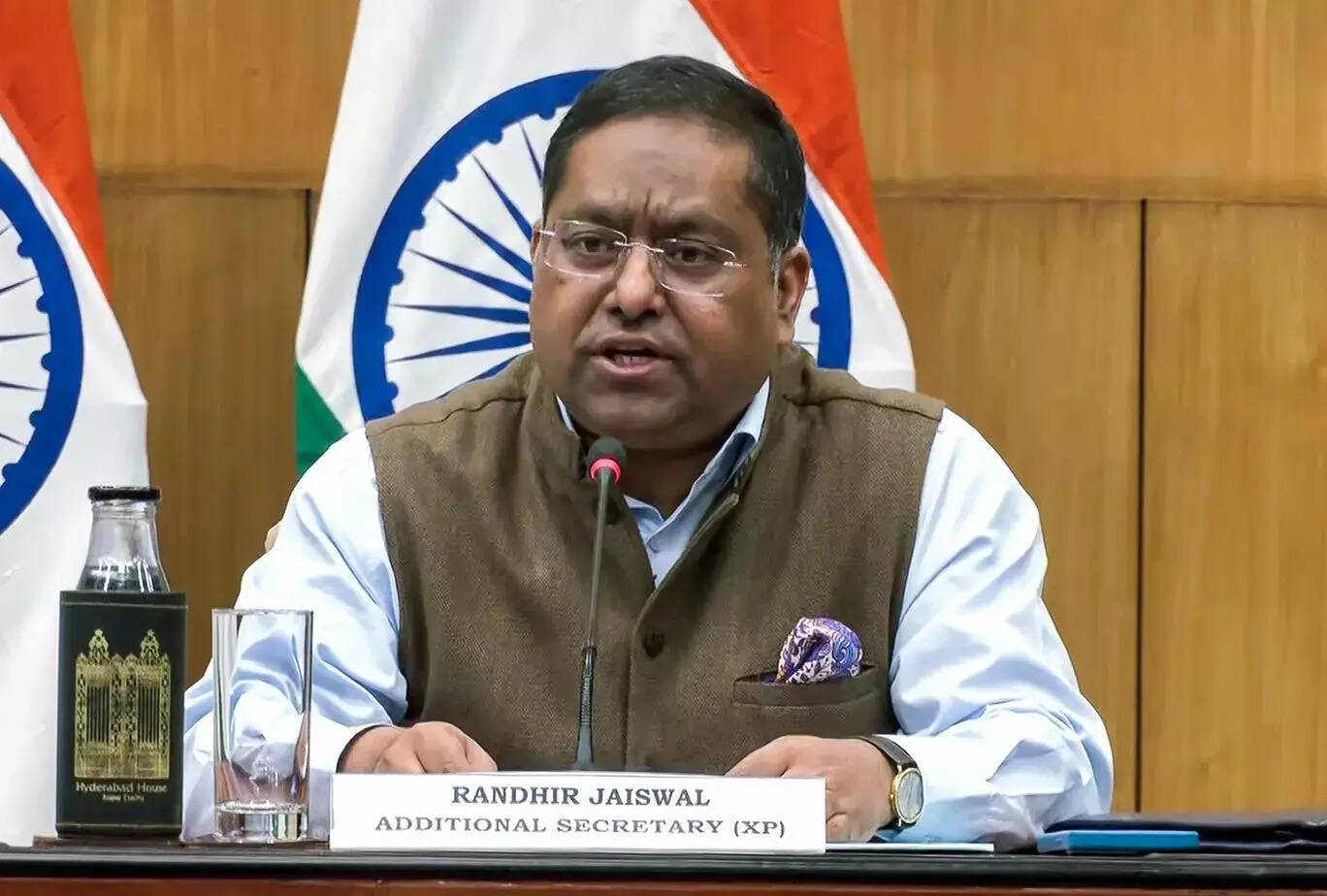
Donald Trump is currently campaigning for the U.S. presidency and has been making various statements about foreign policy. During his speeches, he often talks about how he views the world and the current state of different countries. In one instance, he used the word "hell-hole" to describe certain regions or situations he finds unfavorable. Because India is a major global player and a key U.S. partner, reporters asked the Indian government for their opinion on these words. The MEA spokesperson, Randhir Jaiswal, handled the questions during a regular press meeting. He noted that the government is aware of what was said but did not offer a harsh critique.
Important Numbers and Facts
The U.S. and India have a trade relationship worth over $190 billion. This makes the U.S. one of India's largest trading partners. Because of this high value, both sides usually try to avoid long-term diplomatic damage over words spoken during a campaign. Trump has previously called India a "big abuser" of trade taxes, yet he has also called Prime Minister Narendra Modi a "great friend." These conflicting statements are a regular part of his political style. The MEA's acknowledgment of the "hell-hole" report is a standard way to show they are paying attention without making the problem bigger than it needs to be.
Background and Context
To understand why this matters, we have to look at how countries talk to each other. Usually, diplomats use very careful language to avoid offending anyone. They try to be polite even when they disagree on big issues. Donald Trump uses a different style. He uses simple, strong, and sometimes insulting words to get attention or make a point to his supporters. In the past, he has criticized India’s air quality and has complained about taxes on American products like motorcycles. India usually responds by highlighting its economic growth and its democratic values. The relationship between the two countries has grown much stronger over the last twenty years, regardless of which political party is in power.
Public or Industry Reaction
The reaction in India was a mix of concern and indifference. On social media, some people felt that the comments were disrespectful to a country that is making a lot of progress. They argued that India is a leader in technology and space exploration. On the other hand, many experts in foreign policy said that these comments should not be taken too seriously. They believe that campaign talk is very different from actual government policy. Business leaders also remained calm, noting that the economic ties between the two countries are too strong to be broken by a single speech or a specific word.
What This Means Going Forward
Looking ahead, we can expect more of these types of comments as the U.S. election gets closer. Candidates often use strong language to show they are "tough" on international issues to win votes. India will likely continue its policy of being patient. This means they will listen to what is said but will only take action if it affects real laws or trade deals. The U.S.-India partnership is vital for security and for global technology growth. Both sides know they need each other for a stable future. Therefore, while the words might be sharp, the actual work between the two governments will likely stay on track.
Final Take
Strong words in politics often grab headlines, but they rarely change the deep foundations of international friendships. India’s calm response to the "hell-hole" remark shows a mature approach to modern diplomacy. By focusing on facts and long-term goals, the government ensures that temporary noise does not ruin a vital global alliance.
Frequently Asked Questions
What did Donald Trump say about India?
He used the term "hell-hole" in a general sense during a discussion about global conditions, which some people interpreted as including India or similar developing regions.
How did the Indian government respond?
The Ministry of External Affairs said they had seen the reports but did not issue a formal protest, choosing instead to maintain a professional and neutral tone.
Will this affect U.S.-India relations?
Most experts believe it will not. The economic and security ties between the two countries are very strong and usually survive political campaign rhetoric.



