
Summary
India recently took a firm diplomatic step by summoning the Iranian envoy to discuss a serious security event in the Middle East. The meeting followed reports that Iranian forces opened fire on ships flying the Indian flag in the Strait of Hormuz. Despite the tension caused by this military action, Iran’s top representative in India described the bond between the two nations as very strong. Both sides are now looking for ways to resolve the issue through talk and peaceful means to ensure the safety of sea travel.
Main Impact
The primary impact of this event is the immediate pressure it puts on the diplomatic ties between New Delhi and Tehran. When a country "summons" an envoy, it is a formal way of showing deep concern or unhappiness about an event. This shooting incident has raised alarms regarding the safety of Indian sailors and cargo ships moving through one of the world's most crowded water passages. It forces India to balance its need for maritime security with its long-standing economic and political partnership with Iran.
Key Details
What Happened
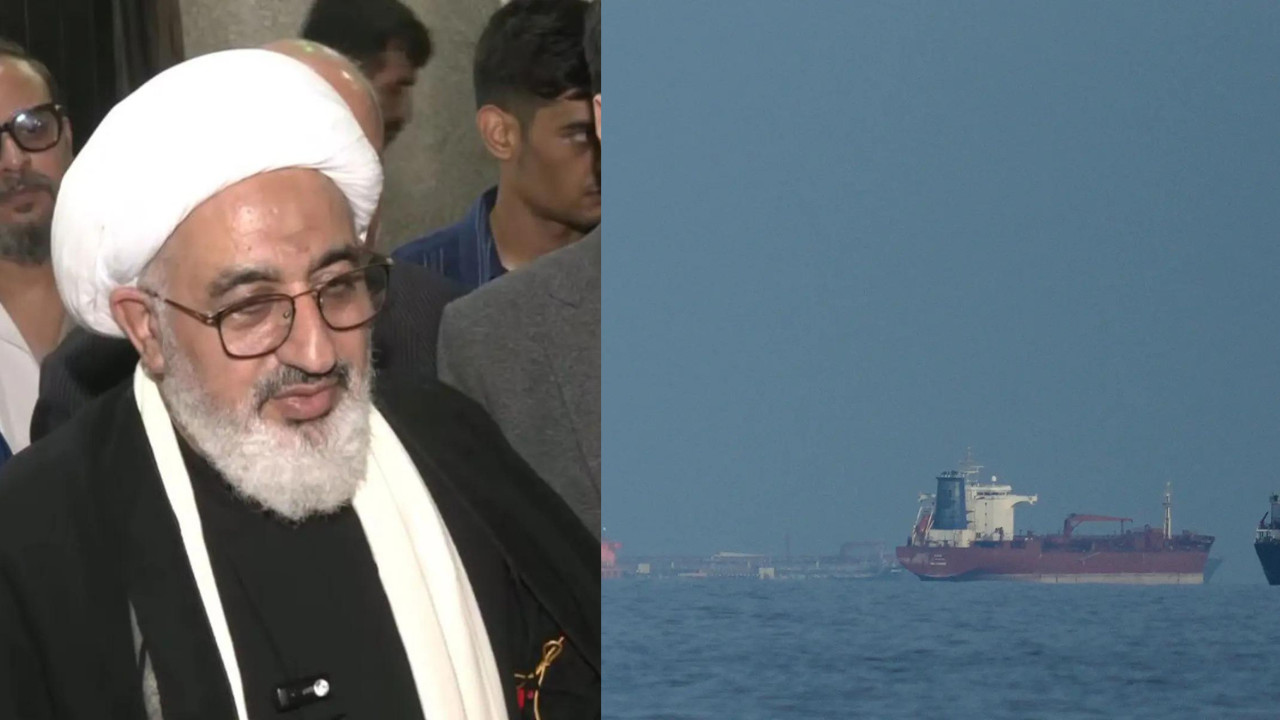
The incident took place in the Strait of Hormuz, a narrow stretch of water that connects the Persian Gulf with the Gulf of Oman. Reports indicated that Iranian forces fired shots toward vessels that were clearly marked with the Indian flag. In response, the Indian government called in Dr. Abdul Majid Hakeem Ilahi, who serves as Iran’s top representative in India. During the meeting, Indian officials sought an explanation for the use of force against their commercial ships. The envoy stated that he did not have specific information about the shooting at that moment but expressed a desire for a peaceful outcome.
Important Numbers and Facts
The Strait of Hormuz is a vital path for global trade. About 20% of the world's total oil supply passes through this narrow waterway every day. For India, this route is even more critical because a large portion of its energy imports comes from this region. Any disruption here can lead to higher fuel prices and economic stress. While the exact number of shots fired or the specific damage to the vessels was not fully detailed in the initial reports, the act of firing on civilian ships is considered a major breach of international maritime norms.
Background and Context
To understand why this matters, one must look at the history between India and Iran. The two countries have shared a friendly relationship for many years. They work together on major projects, such as the Chabahar port, which helps India trade with Central Asia. However, the region around the Strait of Hormuz is often full of tension due to disagreements between various countries and international powers. India tries to stay neutral in these conflicts, but when its own ships are targeted, it must take a stand to protect its citizens and its trade interests. The safety of the seas is a top priority for India as it grows into a larger global economy.
Public or Industry Reaction
The reaction from the Iranian side has been one of calm and reassurance. Dr. Ilahi emphasized that the relationship between India and Iran is "very strong" and can withstand such challenges. He focused on the idea of regional peace rather than the specifics of the military encounter. On the other hand, the shipping industry and maritime experts have expressed worry. They believe that if such incidents continue, insurance costs for ships will go up, making goods more expensive for everyone. Indian officials have remained professional but firm, making it clear that the safety of their vessels is not something they will ignore.
What This Means Going Forward
Moving forward, both nations will likely use private diplomatic channels to make sure this does not happen again. India may increase its naval presence in the area to monitor its ships and provide a sense of security to merchant sailors. Iran will likely try to provide more clarity on why its forces opened fire, perhaps citing security concerns or a misunderstanding of the ships' identity. The goal for both countries is to prevent a small military mistake from turning into a large political fight. We can expect more high-level meetings to reinforce the rules of safe passage in the Strait.
Final Take
While the shooting in the Strait of Hormuz is a serious worry, the quick move to talk shows that neither India nor Iran wants to damage their long-term friendship. Diplomacy is being used to cool down a hot situation, proving that even when guns are fired, words remain the most important tool for keeping the peace between allies.
Frequently Asked Questions
Why did India summon the Iranian envoy?
India summoned the envoy to express concern and ask for an explanation after Iranian forces reportedly fired on Indian-flagged ships in the Strait of Hormuz.
Is the relationship between India and Iran in trouble?
According to the Iranian envoy, the relationship remains "very strong." Both countries are working to resolve the incident peacefully through diplomatic talks.
Why is the Strait of Hormuz so important?
It is a key shipping route where about one-fifth of the world's oil travels. It is essential for India's energy security and global trade.



