
Summary
India has taken a significant step in Middle East diplomacy by participating in a high-level meeting focused on the security of the Strait of Hormuz. During this gathering, Indian representatives also officially welcomed the recent ceasefire in Lebanon, signaling a strong desire for regional stability. This move highlights India's growing influence in international affairs and its commitment to protecting vital trade routes. By supporting peace efforts, India aims to ensure that energy supplies and maritime commerce remain uninterrupted by regional conflicts.
Main Impact
The primary impact of India’s involvement is the strengthening of maritime security in one of the world's most important shipping lanes. The Strait of Hormuz is a narrow passage that carries a large portion of the world's oil supply. Any tension in this area can lead to a sudden spike in global fuel prices, which directly affects the Indian economy. By joining these talks, India is moving from being a passive observer to an active participant in regional security. Furthermore, welcoming the Lebanon ceasefire helps build India's image as a neutral mediator that values human life and economic stability over political disputes.
Key Details
What Happened
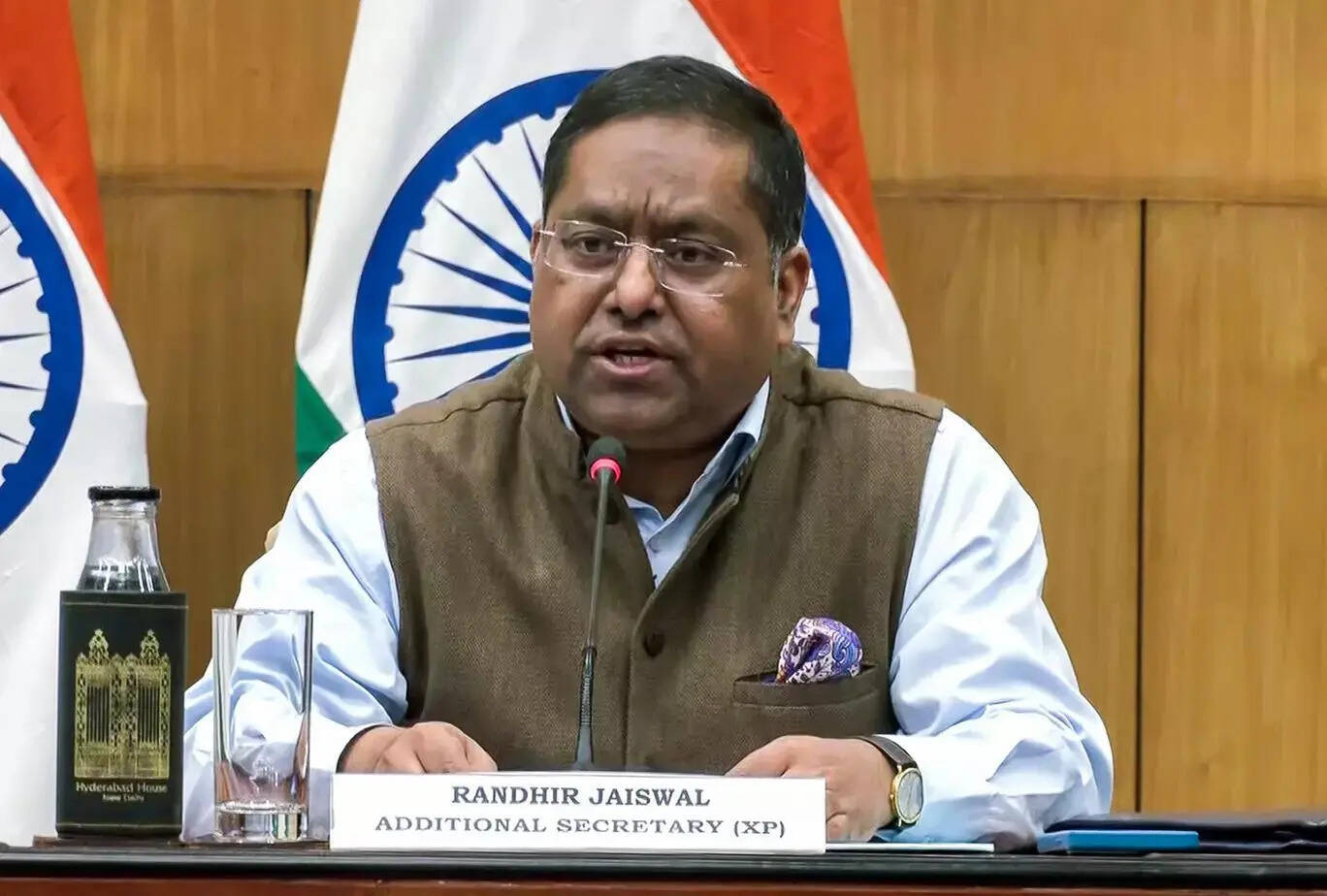
Indian diplomats joined leaders from several other nations to discuss the current state of the Strait of Hormuz. The meeting focused on how to prevent attacks on merchant ships and ensure that the waters remain open for international trade. At the same time, the Indian government issued a formal statement regarding the situation in Lebanon. They expressed relief that the fighting has stopped and urged all parties involved to respect the terms of the peace agreement. This dual approach shows that India is concerned with both the physical safety of trade routes and the political peace of the surrounding countries.
Important Numbers and Facts
The Strait of Hormuz is roughly 21 miles wide at its narrowest point, yet it handles about 20% of the world's total oil consumption every day. For India, this route is even more critical, as more than 60% of its crude oil imports pass through this region. The ceasefire in Lebanon follows months of intense cross-border conflict that displaced thousands of people. India’s participation in the Hormuz meet is part of its broader "Link West" policy, which seeks to deepen ties with countries in Western Asia. These diplomatic efforts are essential for maintaining the steady flow of energy that powers India's growing industrial sector.
Background and Context
To understand why this matters, one must look at how global trade works. Most of the goods and energy we use travel by sea. The Middle East has long been a place of tension, and when conflicts break out, they often spill over into the ocean. In recent years, there have been several incidents where tankers were seized or attacked near the Strait of Hormuz. India has a large navy, but it prefers to solve these issues through talk and cooperation rather than force. Similarly, the conflict in Lebanon has caused worry across the globe. India has a long history of contributing to United Nations peacekeeping missions in Lebanon, so it has a direct interest in seeing the country remain peaceful and stable.
Public or Industry Reaction
Energy experts and trade analysts have reacted positively to India's active role. Many believe that India’s presence at the table provides a balancing force in a region often divided by major power rivalries. Shipping companies have also expressed relief, as international cooperation usually leads to better protection for sailors and cargo. Within India, the move is seen as a practical step to keep petrol and diesel prices stable. If the Middle East is at peace, the risk of a sudden oil shortage decreases. Human rights groups have also praised the support for the Lebanon ceasefire, noting that a break in violence is the first step toward helping families return to their homes.
What This Means Going Forward
Looking ahead, we can expect India to play a more visible role in Middle Eastern security. This might include more joint naval exercises with regional partners or more frequent diplomatic visits to Gulf nations. The success of the Lebanon ceasefire will be a test for the region; if it holds, it could provide a blueprint for solving other conflicts in the area. India will likely continue to push for "freedom of navigation," which is the idea that all ships should be able to travel through international waters without fear of attack. This is not just about politics; it is about making sure the global economy stays healthy and that people have access to the resources they need.
Final Take
India’s decision to join the Hormuz meeting and support the Lebanon ceasefire shows a mature and proactive foreign policy. By focusing on peace and the safety of trade, India is protecting its own national interests while also helping the rest of the world. Stability in the Middle East is not just a local issue; it is a global necessity that affects everything from the price of gas to the safety of international travel.
Frequently Asked Questions
Why is the Strait of Hormuz so important to India?
The Strait of Hormuz is the main path for oil tankers coming from the Middle East. Since India buys a huge amount of its oil from this region, any blockage or trouble in the strait could lead to high fuel prices and energy shortages at home.
What was India's role in the Lebanon ceasefire?
India did not negotiate the ceasefire directly, but it used its diplomatic voice to support the agreement. By welcoming the peace deal, India encourages both sides to stop fighting and helps build international pressure to keep the peace.
Does India have soldiers in Lebanon?
Yes, India has been a major contributor to the United Nations Interim Force in Lebanon (UNIFIL) for many years. Indian peacekeepers help maintain order and support local communities, which is why India is so invested in the country's stability.



