
Summary
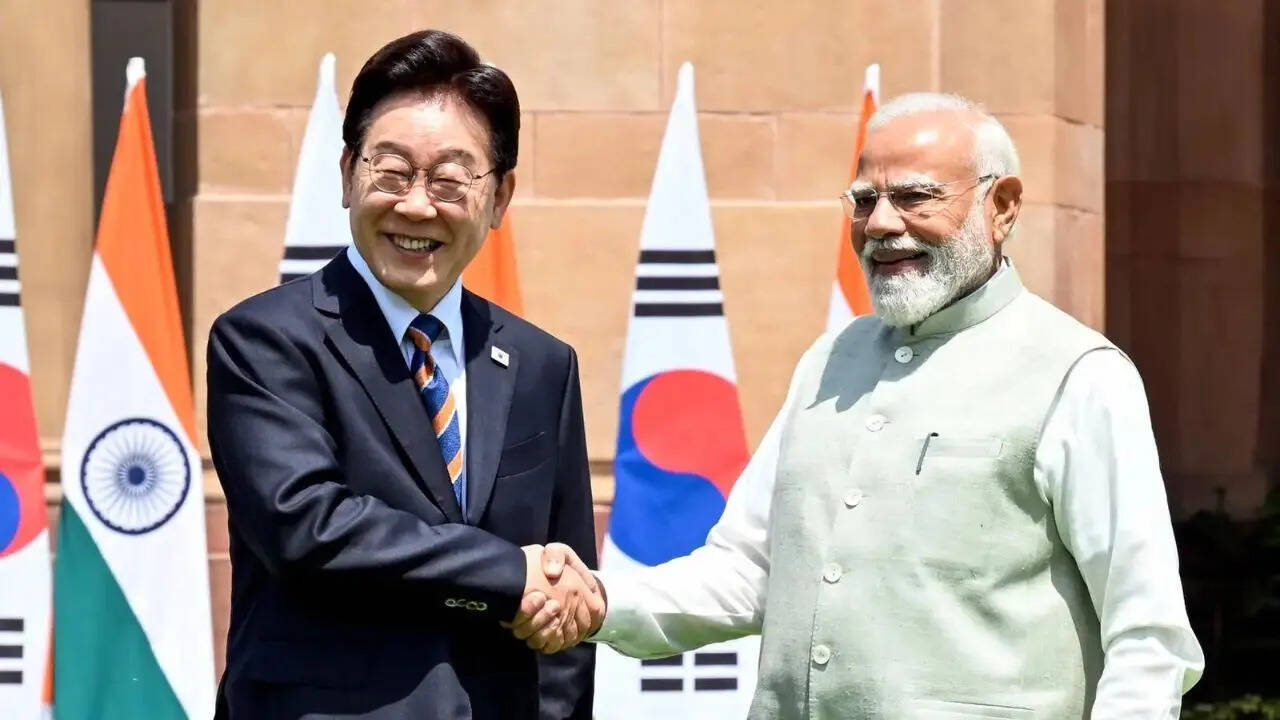
India and South Korea have agreed to strengthen their partnership by focusing on high-tech industries and maritime cooperation. Prime Minister Narendra Modi recently met with South Korean President Lee Jae Myung to sign several important agreements. These deals cover a wide range of sectors, described by the leaders as moving "from chips to ships." The main goal of this updated partnership is to increase the total trade between the two countries to $50 billion by the year 2030. This move is expected to create new jobs and improve technology sharing between the two nations.
Main Impact
The biggest impact of this meeting is the shift toward advanced technology and strategic manufacturing. By working together on semiconductors and shipbuilding, India and South Korea are looking to secure their supply chains. This means they want to make sure they can produce the parts they need without relying too much on other countries. For India, this helps the "Make in India" goal by bringing in South Korean expertise. For South Korea, it provides a massive market and a reliable partner in the South Asian region. This cooperation will likely lead to more factories being built and more research being done together.
Key Details
What Happened
During the official visit, Prime Minister Modi and President Lee Jae Myung held detailed talks about the future of their countries. They signed multiple Memorandums of Understanding (MoUs). These are formal agreements that outline how the two nations will help each other. The phrase "from chips to ships" was used to show that their work will cover everything from tiny computer chips used in phones to massive cargo and naval ships. They also discussed how to keep the Indo-Pacific region safe and open for trade.
Important Numbers and Facts
The most significant figure mentioned was the $50 billion trade target. Both leaders want to reach this amount of yearly trade by 2030. Currently, trade between the two is growing, but this new goal represents a major increase. The agreements also focus on "futuristic" sectors. This includes green energy, digital technology, and advanced electronics. By setting a clear deadline and a specific dollar amount, both governments are showing that they are serious about making this partnership work quickly.
Background and Context
India and South Korea have been partners for a long time, but the world is changing. Technology is now the most important part of any economy. South Korea is a world leader in making electronics, cars, and ships. India has a very large population, many young workers, and a growing need for better technology. In the past, the two countries mostly traded finished goods. Now, they want to build things together. This is important because the global supply chain has faced many problems lately. By working closely, India and South Korea can help each other stay stable even when global markets are uncertain.
Public or Industry Reaction
Business leaders in both countries have welcomed these new agreements. Many South Korean companies, such as those that make cars and electronics, already have a big presence in India. These companies see the new MoUs as a sign that the Indian government will continue to support their growth. In India, industry experts believe that learning from South Korea’s advanced manufacturing methods will help local businesses become more competitive. There is a general feeling of hope that this will lead to better products and more stable prices for consumers in both nations.
What This Means Going Forward
In the coming years, we can expect to see more South Korean investment in Indian states. This might include new semiconductor plants, which are very expensive and difficult to build. We may also see more cooperation between the two navies and shipping companies to protect trade routes in the ocean. The next steps will involve setting up working groups to make sure the MoUs are actually put into action. Both governments will need to work hard to remove any trade barriers that make it difficult for companies to do business across borders. If successful, this partnership could make India and South Korea two of the most important economic allies in Asia.
Final Take
The meeting between PM Modi and President Lee Jae Myung shows that India and South Korea are ready to move their relationship to a higher level. By focusing on essential technology like computer chips and vital industries like shipbuilding, they are preparing for the challenges of the future. The $50 billion trade goal is ambitious, but with strong cooperation, it is a target that both nations seem ready to achieve. This partnership is not just about money; it is about building a secure and technologically advanced future for both countries.
Frequently Asked Questions
What does "from chips to ships" mean?
It is a phrase used to show that India and South Korea will work together on a wide range of products. "Chips" refers to semiconductors and high-tech electronics, while "ships" refers to maritime trade and shipbuilding.
What is the trade goal for India and South Korea?
The two countries have set a target to increase their bilateral trade to $50 billion by the year 2030. This will require a significant increase in the buying and selling of goods and services between them.
Why is the Indo-Pacific region important in this deal?
The Indo-Pacific is a major area for global shipping and trade. Both India and South Korea want to ensure that the sea routes in this region remain safe, free, and open for all countries to use without interference.



