
Summary
India has officially criticized Pakistan for conducting airstrikes inside the borders of Afghanistan. The Indian government described these military actions as an act of aggression that violates the independence and sovereignty of a neighboring nation. These strikes have reportedly led to the deaths of several civilians, causing a sharp rise in tension between Pakistan and the Taliban-led government in Kabul. India’s statement emphasizes the need for all countries to respect international borders to maintain peace in the region.
Main Impact
The primary impact of this event is the serious damage to the relationship between Pakistan and Afghanistan. For a long time, these two countries have shared a complicated history, but direct airstrikes represent a major escalation in conflict. India’s decision to speak out adds a significant diplomatic weight to the situation. By siding with the principle of national sovereignty, India is highlighting its concerns about stability in South Asia and the risks of cross-border military actions.
Key Details
What Happened
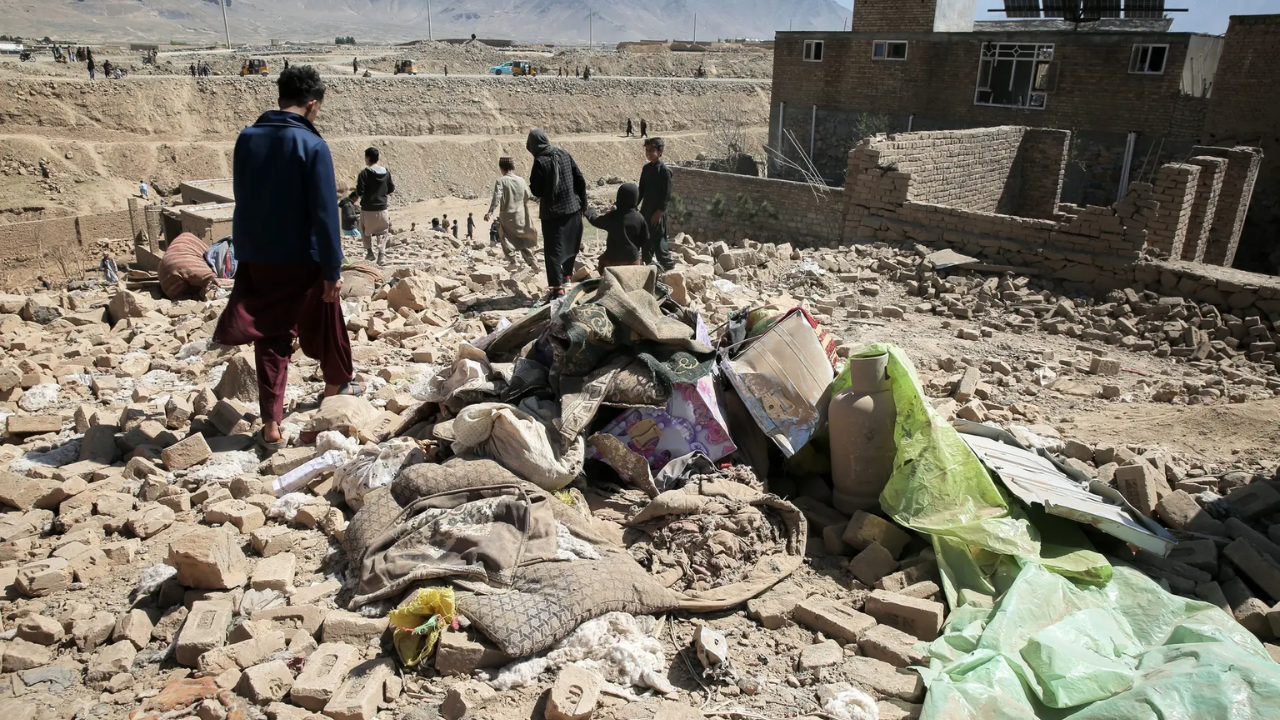
Pakistan’s military launched air raids into Afghan territory, claiming they were targeting hideouts used by the Tehrik-i-Taliban Pakistan (TTP). Pakistan has long accused this group of using Afghan soil to plan and carry out attacks against Pakistani security forces. However, the Afghan Taliban government strongly denied these claims. They reported that the bombs did not hit militant bases but instead struck homes where families lived. This has led to a heated exchange of words between the two governments, with Afghanistan warning of potential retaliation.
Important Numbers and Facts
The strikes took place in the border provinces of Afghanistan. While exact figures are often hard to confirm immediately, Afghan officials stated that several people, including women and children, lost their lives in the attacks. India’s Ministry of External Affairs issued a formal statement using the phrase "yet another act of aggression" to describe Pakistan's move. This incident follows a pattern of increasing border skirmishes and small-scale fights that have been happening over the last few months.
Background and Context
To understand why this conflict is happening, it is important to look at the change in regional politics over the last few years. When the Taliban took control of Afghanistan in 2021, many expected they would have a friendly relationship with Pakistan. Instead, the opposite has happened. Pakistan believes the Taliban is not doing enough to stop militants from crossing the border to cause trouble. The Taliban, meanwhile, feels that Pakistan is trying to interfere in their internal affairs. India has a strong interest in this situation because any instability in Afghanistan can affect the security of the entire region. India has consistently called for a stable and peaceful Afghanistan that is not used as a base for any form of violence.
Public or Industry Reaction
The reaction from the Afghan Taliban was immediate and angry. They summoned Pakistan’s diplomatic representative to protest the violation of their airspace. They also stated that such "reckless" actions would lead to consequences that Pakistan might not be able to handle. Within Pakistan, the government defended the strikes, saying they have a right to defend their own people from terror groups. International observers and security experts are worried that this could lead to a larger military confrontation. Many fear that if the two countries do not start talking, the border areas will become even more dangerous for the people living there.
What This Means Going Forward
In the coming weeks, we are likely to see more security measures along the border. There is a high risk of more clashes between the two armies. For India, the focus will remain on ensuring that the conflict does not spread or lead to more regional chaos. This situation also puts pressure on the international community to step in and encourage both sides to find a peaceful solution. If the violence continues, it could stop the flow of food and medicine into Afghanistan, which is already facing a difficult humanitarian crisis. The next steps taken by the Taliban government will be crucial in determining if this remains a local dispute or turns into a bigger war.
Final Take
True peace in the region can only be achieved when countries respect each other's borders and use diplomacy instead of weapons. Using airstrikes in another country often creates more problems than it solves, as it leads to the loss of innocent lives and fuels more hatred. For South Asia to be safe, all nations must work together to stop violence without violating the rules that keep the world order in place.
Frequently Asked Questions
Why did Pakistan launch airstrikes in Afghanistan?
Pakistan claimed the strikes were meant to destroy hideouts of the Tehrik-i-Taliban Pakistan (TTP), a group they blame for terror attacks within Pakistan.
What was India’s official response to the strikes?
India condemned the action, calling it an act of aggression and stating that the sovereignty of Afghanistan must be respected by its neighbors.
Were there any civilian casualties reported?
Yes, the Afghan government reported that the airstrikes hit residential areas, resulting in the deaths of several civilians, including women and children.



