
Summary
India has reached a major milestone in its energy journey by successfully meeting a record-breaking power demand of 256 gigawatts (GW). This massive requirement for electricity happened during a period of extreme heat when homes and businesses across the country were using more power than ever before. The primary reason the national power grid remained stable was the significant contribution from solar energy infrastructure. This achievement highlights how India is moving away from a total reliance on traditional fuels and is now using the sun to keep the lights on during the busiest times of the day.
Main Impact
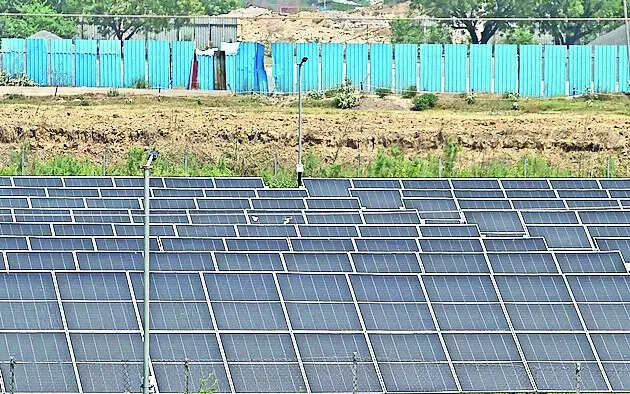
The ability to handle 256 GW of demand without widespread blackouts is a sign of a maturing energy system. In the past, such high demand often led to power cuts or forced the government to buy expensive electricity from outside sources. Now, the growing network of solar panels across the country provides a reliable cushion. The main impact is twofold: it ensures energy security for a growing population and proves that renewable energy can handle the heavy lifting of a modern economy. By using solar power during the hottest hours, the country reduces the pressure on coal plants, which helps in managing resources more effectively.
Key Details
What Happened
As temperatures soared across many states, the need for cooling increased rapidly. This caused the national power demand to spike to an all-time high of 256 GW. The Ministry of Power and grid operators had been preparing for this surge by integrating more renewable energy into the system. On the day the record was set, solar plants were producing electricity at their maximum capacity. This clean energy was fed directly into the grid, meeting the needs of millions of air conditioners, fans, and industrial machines that were running simultaneously.
Important Numbers and Facts
The 256 GW figure represents a significant jump from previous years. Just a few years ago, the peak demand was much lower, often hovering around 200 GW to 215 GW. The fact that the system could handle an extra 40 GW or more shows how much the infrastructure has grown. Currently, India has one of the largest solar programs in the world. The government has set a target to reach 500 GW of non-fossil fuel energy capacity by the year 2030. This recent success is a clear indicator that the country is on the right track to meeting those long-term environmental and energy goals.
Background and Context
To understand why this is important, we must look at how electricity works in a large country. Power demand is not the same all day. It peaks when people are most active and when the weather is hottest. In India, the summer months create a "peak demand" period in the afternoon. Coincidentally, this is also when the sun is at its strongest. By building massive solar parks in states like Rajasthan, Gujarat, and Karnataka, India has created a system where the highest supply of energy matches the highest demand. This reduces the need to burn extra coal or gas during the day, which saves money and reduces pollution.
Public or Industry Reaction
Energy experts and industry leaders have praised the performance of the grid. Many noted that the transition to green energy is no longer just a plan for the future but a reality that is helping the country today. Business owners have expressed relief that the power supply remained steady, as even short power cuts can lead to big financial losses in manufacturing. Environmental groups have also pointed to this event as proof that solar energy is a dependable solution for a country that faces increasing heatwaves due to changes in the global climate.
What This Means Going Forward
While meeting 256 GW is a success, the journey does not end here. As the economy grows, the demand for power will likely hit 300 GW in the coming years. The next big challenge is energy storage. Since solar power is only available during the day, the government is now focusing on large-scale battery systems. These batteries will store extra solar energy produced during the day so it can be used at night when the sun goes down. Additionally, there will be more investment in wind power and hydropower to ensure that the grid stays balanced 24 hours a day, regardless of the weather or time.
Final Take
India’s success in meeting a record 256 GW power demand is a victory for modern engineering and green policy. It shows that the country can grow its economy while also changing how it produces energy. The reliance on solar infrastructure has moved from being an experiment to being a vital part of national security. As long as the country continues to build and innovate, it will be well-prepared for the even hotter summers and higher demands of the future.
Frequently Asked Questions
What was the record power demand in India?
India recently met a peak electricity demand of 256 gigawatts (GW), which is the highest ever recorded in the country's history.
How did solar energy help meet this demand?
Solar energy produces the most power during the middle of the day, which is exactly when demand for cooling is highest. This allowed the grid to stay stable without relying only on coal.
What is India's future goal for renewable energy?
The Indian government aims to have 500 gigawatts of energy capacity from non-fossil fuel sources, such as solar and wind, by the year 2030.



