
Summary
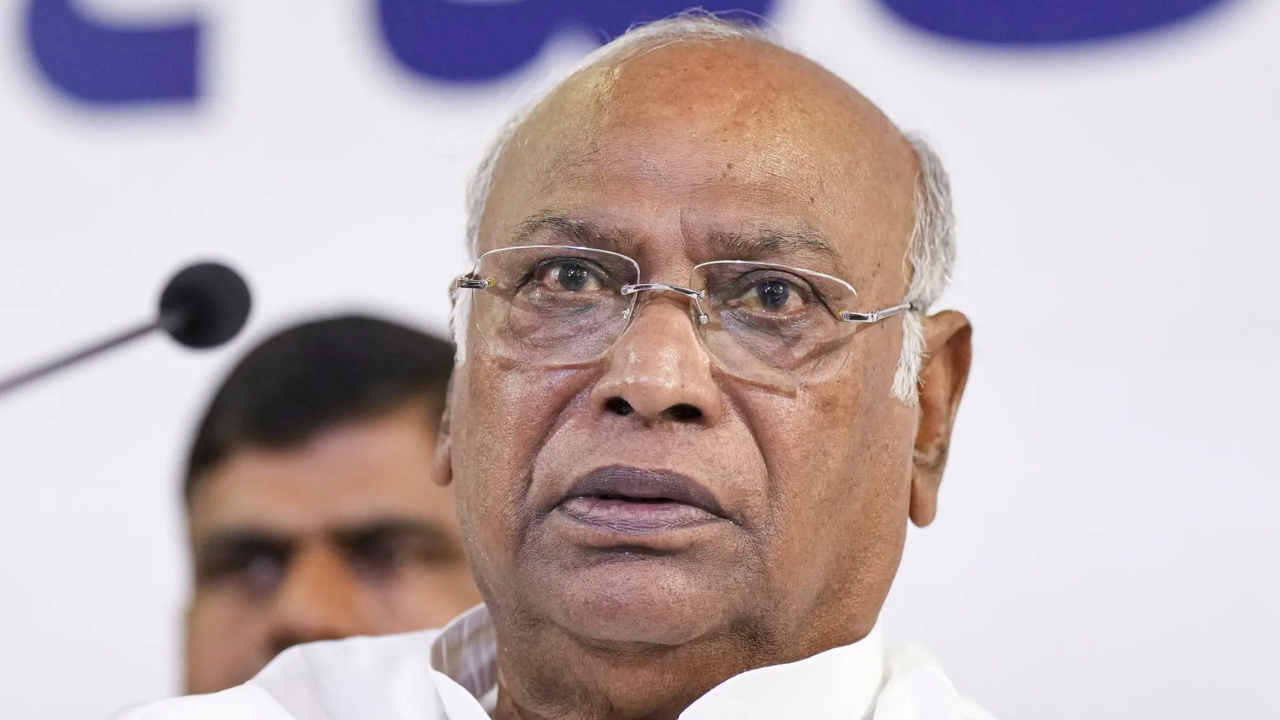
India's passport ranking has dropped to 125th place globally, according to the latest Henley Passport Index. This decline has sparked sharp criticism from the Congress party, which is using it to question Prime Minister Narendra Modi's claims of improving India's global standing. Congress chief Mallikarjun Kharge has pointed to the falling rank and rising passport fees as signs of a worsening reputation abroad.
Main Impact
The drop in India's passport ranking means Indian citizens now have visa-free or visa-on-arrival access to fewer countries than before. This directly affects travelers, businesspeople, and students who need to move across borders. The political backlash from the Congress party also puts pressure on the Modi government to explain why the country's international standing appears to be slipping despite its claims of progress.
Key Details
What Happened
The Henley Passport Index, which ranks passports based on how many countries their holders can visit without a visa, placed India at 125th position. This is a drop from previous years, when India was ranked higher. The index is widely used by travelers and governments to measure a passport's strength.
Important Numbers and Facts
India's passport now allows visa-free or visa-on-arrival access to only 60 countries. This is far fewer than top-ranked passports like Japan or Singapore, which offer access to over 190 destinations. The ranking also shows that India has fallen behind many of its neighbors, including Nepal, Sri Lanka, and Bangladesh.
Background and Context
The Henley Passport Index is updated regularly and reflects changes in visa policies between countries. A country's passport strength is often seen as a sign of its diplomatic relationships and global reputation. India's ranking has been declining for several years, even as the government has promoted initiatives to boost tourism and international trade.
Congress leader Mallikarjun Kharge has used this data to argue that the Modi government's foreign policy is not delivering real benefits for ordinary Indians. He also noted that passport fees have increased, making it more expensive for citizens to travel abroad.
Public or Industry Reaction
The Congress party's criticism has been echoed by some travel industry experts and social media users. Many have pointed out that a weaker passport makes it harder for Indians to travel for work, study, or leisure. Some have also questioned why the government has not done more to negotiate visa-free agreements with more countries.
However, government supporters argue that the ranking does not fully capture India's growing influence in global affairs. They say that the index only measures visa-free access, not the overall strength of a country's economy or diplomacy.
What This Means Going Forward
The declining passport ranking could have real-world consequences for Indian citizens. It may make travel more expensive and time-consuming, as they will need to apply for visas to more countries. For businesses, this can slow down international deals and partnerships.
For the government, the issue is now a political liability. The Congress party is likely to keep using it as a talking point in the run-up to elections. To address the problem, India may need to negotiate more visa-waiver agreements with other nations, especially in Europe and North America.
Final Take
India's passport ranking slipping to 125th is a clear sign that its global mobility is shrinking. While the government has focused on big diplomatic events and trade deals, the everyday impact on citizens is a weaker passport. This issue is now a political flashpoint, and it remains to be seen whether the government can reverse the trend.
Frequently Asked Questions
Why did India's passport ranking drop?
The ranking dropped because other countries have improved their visa-free access agreements, while India has not kept pace. The Henley Passport Index updates its list based on new visa policies, and India has not added many new visa-free destinations recently.
How does a lower passport ranking affect Indian citizens?
A lower ranking means Indian passport holders can visit fewer countries without a visa. This makes travel more difficult and expensive, as they need to apply for visas in advance. It can also affect business travel, tourism, and study abroad opportunities.
Can India improve its passport ranking?
Yes, India can improve its ranking by negotiating visa-waiver agreements with more countries. This requires diplomatic efforts and mutual agreements. If India can secure visa-free access to popular destinations like the European Schengen area, its ranking would rise significantly.



