Summary
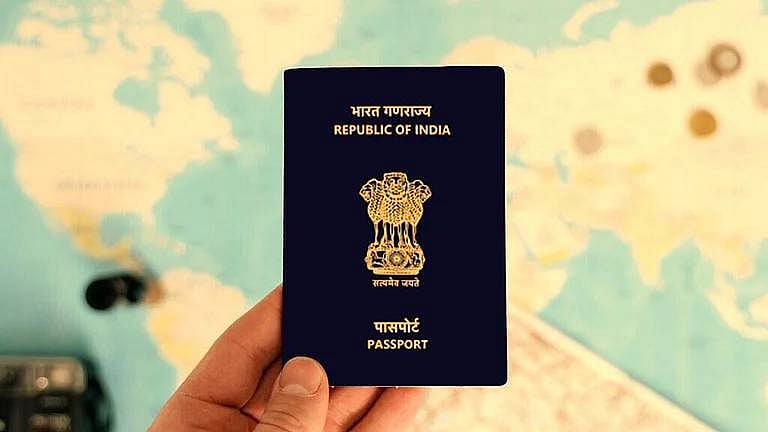
India's passport has been ranked 125th out of 197 countries in the Global Passport Index 2026, dropping one spot from last year. The ranking has sparked a political debate, with the opposition Congress party criticizing Prime Minister Narendra Modi's government over its claims of boosting India's global standing. Indian passport holders currently have visa-free access to only 26 countries, placing the country behind nations like the Philippines, Morocco, and Namibia.
Main Impact
The new ranking has become a flashpoint in Indian politics. The Congress party is using it to question the government's narrative that India is becoming a global leader, often referred to as a "Vishwaguru." The opposition argues that despite the government's promises, ordinary Indians still face major travel barriers. This debate goes beyond politics, as passport strength directly affects millions of Indians who travel abroad for work, study, or business.
Key Details
What Happened
The Global Passport Index 2026, published by Global Citizen Solutions, placed India at 125th position. This is a drop from 124th place in the previous year. The index evaluates passports based on three main factors: how easily people can travel (50% weight), investment opportunities (25% weight), and quality of life (25% weight).
Important Numbers and Facts
Indian passport holders can visit only 26 countries without needing a visa first. This puts India behind several other developing nations. The Congress party also pointed out that under the previous UPA government, the Indian passport was ranked 72nd on the Henley Passport Index. However, experts note that the two indices use different methods, so direct comparisons are not exact. The Henley Index mainly counts how many destinations a passport can access without a visa, while the Global Passport Index uses a broader set of criteria.
Background and Context
Passport rankings are often seen as a sign of a country's diplomatic strength and international trust. A strong passport makes it easier for citizens to travel, do business, and access financial services abroad. For a large country like India, with millions of people working and studying overseas, passport strength has real-world effects. The current ranking raises questions about whether India's growing economy and global influence are actually helping its citizens move more freely around the world.
Public or Industry Reaction
The Congress party has been vocal in its criticism. On social media, party leaders shared posts mocking the government's claims of progress. One post sarcastically celebrated the "achievement" of the passport ranking falling to 125th. Another leader, Abhishek Singhvi, shared a graphic showing the decline. The party argues that the numbers do not match the government's big promises. The ruling BJP has not yet issued a detailed response to the ranking.
What This Means Going Forward
The ranking is likely to keep fueling the political debate about India's global standing. For ordinary citizens, it means continued difficulty in traveling without visas to many countries. This can affect job opportunities, education choices, and business expansion. The government may face pressure to negotiate more visa-free travel agreements with other nations. The ranking also serves as a reminder that economic growth does not automatically translate into better travel freedom for citizens.
Final Take
Passport rankings are not the only measure of a country's power, but they do reflect real-world convenience for citizens. India's drop in the Global Passport Index shows that despite its growing economy, its citizens still face significant travel restrictions. The political debate around this ranking highlights a gap between the government's global ambitions and the practical mobility of its people.
Frequently Asked Questions
Why is India's passport ranked so low?
India's passport is ranked low mainly because its citizens can only visit 26 countries without a visa. The ranking also considers factors like investment potential and quality of life, where India scores lower compared to many other nations.
How is the Global Passport Index different from the Henley Passport Index?
The Global Passport Index uses three factors: mobility (50%), investment potential (25%), and quality of life (25%). The Henley Passport Index mainly counts how many countries a passport can enter without a visa. This makes direct comparisons between the two rankings difficult.
Does a low passport ranking affect ordinary Indians?
Yes. A low ranking means Indians need to apply for visas to visit most countries. This adds time, cost, and paperwork for travel. It can also limit job opportunities abroad and make it harder to do business internationally.