
Summary
India has successfully secured safe passage for its oil tankers through the Strait of Hormuz by using direct diplomacy with Iran. External Affairs Minister S. Jaishankar explained that the government chose to talk and coordinate rather than use military force. This approach allowed Indian-flagged ships to move through the high-risk area without being stopped or attacked. This move highlights India's ability to maintain its energy security even during times of international conflict.
Main Impact
The primary impact of this diplomatic success is the continued flow of energy to India. The Strait of Hormuz is a vital sea route, and any blockage there usually leads to a sharp rise in fuel prices. By securing a deal with Tehran, India has protected its economy from the shocks of the ongoing regional war. This strategy also shows that India can act as an independent player on the global stage, solving problems through conversation rather than joining military alliances.
Key Details
What Happened
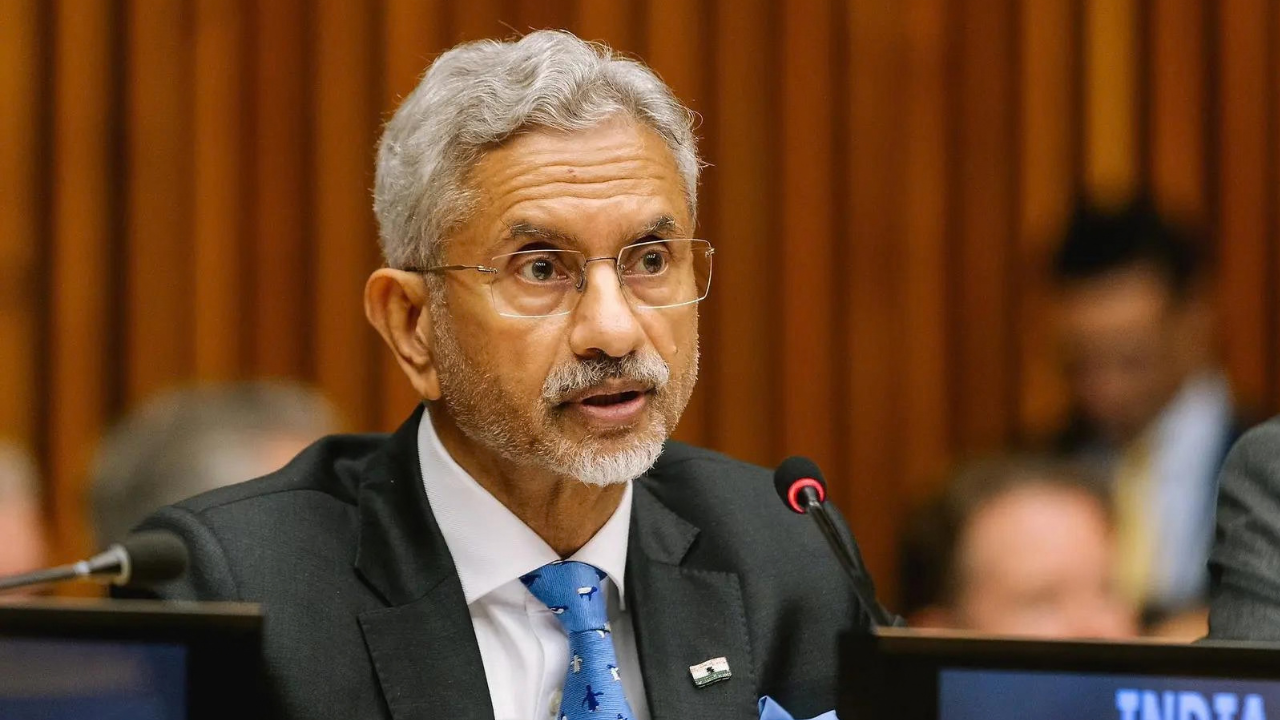
During a period of high tension and military action involving Iran, many international shipping routes became dangerous. Several countries considered sending warships to protect their tankers. However, India took a different path. Minister S. Jaishankar revealed that the Indian government reached out to Iranian authorities to "reason and coordinate." The goal was to ensure that ships flying the Indian flag were recognized as neutral and safe. Iran agreed to this arrangement, allowing two specific tankers to pass through the narrow waterway without trouble.
Important Numbers and Facts
The Strait of Hormuz is one of the most important locations for the global oil trade. About one-fifth of the world's total oil supply passes through this narrow stretch of water every day. For India, the stakes are even higher, as a large majority of its crude oil imports come from the Middle East. If this route were blocked, the cost of petrol and diesel in India would likely double or triple in a very short time. The successful passage of these two tankers serves as a test case for how India plans to handle similar threats in the future.
Background and Context
To understand why this is important, one must look at the geography of the region. The Strait of Hormuz is a tiny waterway between the Persian Gulf and the Gulf of Oman. At its narrowest point, it is only about 21 miles wide. Because it is so small, it is very easy for a country like Iran to monitor or block traffic. In recent years, tensions between Iran and Western nations have led to ships being seized or attacked. India has always tried to maintain a balanced relationship with Iran, even when other countries have placed sanctions on them. This long-standing friendship is what made these recent talks possible.
Public or Industry Reaction
The shipping industry has reacted positively to this news. Shipping companies often have to pay very high insurance fees when their vessels travel through war zones. Knowing that the Indian government has a direct line of communication with Iran helps lower the perceived risk for these companies. Energy experts have also noted that this "diplomacy-first" model is much cheaper and safer than sending the Navy to escort every single ship. It provides a sense of stability for the markets and ensures that the supply chain for fuel remains unbroken.
What This Means Going Forward
Looking ahead, this event sets a clear example of how India will handle maritime security. Instead of relying on international task forces, India is likely to continue using its own diplomatic channels. This approach helps India avoid getting dragged into foreign wars while still protecting its own trade. However, this strategy requires constant work. The government must keep talking to all sides to ensure that Indian ships are not caught in the middle of future disputes. It also means that India will continue to invest in its relationship with Middle Eastern nations to keep its energy routes open and safe.
Final Take
India’s ability to secure its tankers through simple dialogue is a major win for its foreign policy. It shows that being a neutral and reasonable partner can lead to better results than using threats or weapons. By focusing on "reason and coordination," the government has kept the lights on and the cars running back home. This success proves that in a world full of tension, clear communication remains the most powerful tool a nation can have.
Frequently Asked Questions
Why is the Strait of Hormuz so important for India?
The Strait of Hormuz is the main route for oil coming from the Middle East. Since India imports most of its oil from this region, any trouble in the Strait can lead to fuel shortages and high prices at home.
How did India protect its ships without using the Navy?
India used direct diplomacy. Government officials talked to Iranian leaders to explain that Indian ships were not part of the conflict. By coordinating directly, they reached an agreement for safe passage.
What is an Indian-flagged vessel?
An Indian-flagged vessel is a ship that is registered in India and follows Indian laws. These ships are seen as representing the country, which is why the government takes extra steps to ensure their safety during international conflicts.



