
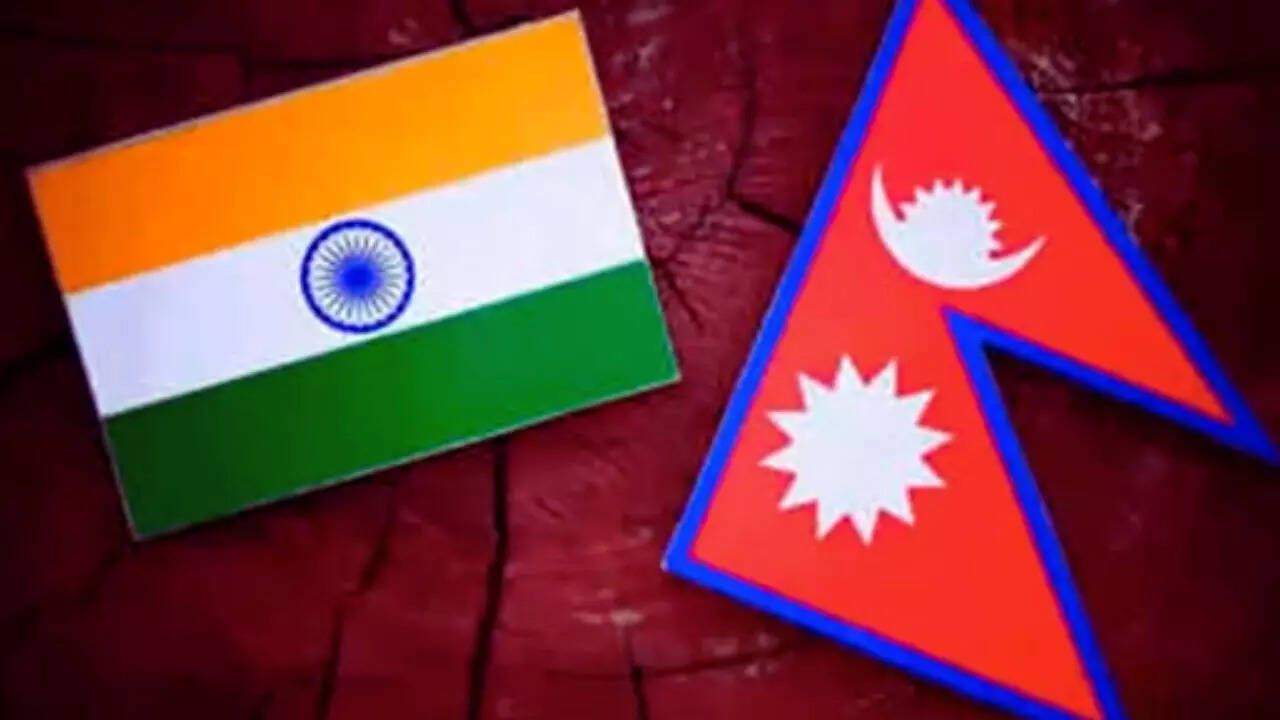
Summary
India and Nepal are currently navigating a period of significant change in their security relationship. As regional politics shift, both nations are looking for ways to protect their interests while maintaining a long history of cooperation. This change is driven by new military policies, border concerns, and the growing influence of other global powers in the region. Understanding these shifts is vital for the stability of South Asia.
Main Impact
The most significant impact of this changing situation is the need for a more modern approach to border security and military ties. For decades, India and Nepal shared a unique bond characterized by an open border and the recruitment of Nepali citizens into the Indian Army. However, recent policy changes and external pressures are forcing both governments to update their old agreements to fit today's world. This evolution affects everything from local trade to high-level defense strategies.
Key Details
What Happened
Several factors have come together to change the security environment between the two neighbors. One major point of discussion is the Agnipath scheme, a new recruitment model for the Indian Armed Forces. This plan changed how soldiers are hired, moving toward shorter terms of service. Because Nepal has a long tradition of its youth joining the Indian Army as Gorkhas, this new policy has led to a pause in recruitment and sparked intense debate in Kathmandu.
Additionally, there have been renewed discussions regarding the 1,850-kilometer open border. While the open border allows for easy travel and trade, it also presents challenges like smuggling and the movement of unauthorized individuals. Both countries are now looking at ways to monitor this boundary more effectively without hurting the daily lives of people living nearby.
Important Numbers and Facts
The relationship is built on several key pillars that involve large numbers and long-standing agreements. India and Nepal share a border that stretches over 1,850 kilometers, touching five Indian states. There are roughly 32,000 Gorkha soldiers from Nepal currently serving in the Indian Army, and over 100,000 retired soldiers live in Nepal receiving pensions from India.
On the economic side, India remains Nepal's largest trading partner. Recent agreements have focused on energy, with Nepal aiming to export 10,000 megawatts of electricity to India over the next ten years. These economic links are closely tied to security, as a stable economy often leads to a more secure nation.
Background and Context
To understand why these changes matter, one must look at the history between the two countries. The 1950 Treaty of Peace and Friendship has been the foundation of their relationship for over 70 years. It allows citizens of both countries to move freely and work across the border. However, many in Nepal feel the treaty is outdated and needs to be revised to reflect Nepal's status as a modern, sovereign nation.
Another layer of context is the role of China. In recent years, China has increased its investment in Nepal through various infrastructure projects. This has made India more cautious about its own security, as it wants to ensure that its northern neighbor remains a friendly and neutral partner. The competition for influence in Nepal has turned the small Himalayan nation into a focal point for regional security.
Public or Industry Reaction
The reaction to these shifts has been mixed. In Nepal, political leaders are divided. Some argue that Nepal should distance itself from India to show more independence, while others believe that the economic and security benefits of the partnership are too important to lose. The pause in Gorkha recruitment has caused worry among young people in Nepal who see the Indian Army as a stable and prestigious career path.
In India, security experts emphasize the importance of maintaining "Neighborhood First" policies. They argue that while India must protect its borders, it must also ensure that Nepal feels respected as an equal partner. Business leaders on both sides are generally supportive of better infrastructure, as it makes moving goods easier and safer.
What This Means Going Forward
Moving forward, the two countries will likely focus on "smart" border management. This means using technology like cameras and sensors to monitor the border instead of building walls. There will also be more meetings to discuss the future of military recruitment and how to handle the 1950 treaty. Both nations recognize that they are tied together by geography and culture, so finding a middle ground is the only way to ensure long-term safety.
We can also expect more cooperation in areas like cyber security and disaster management. As climate change affects the Himalayas, floods and landslides become shared security risks that require both armies to work together. The focus will shift from just military defense to a broader definition of safety that includes economic and environmental stability.
Final Take
The bond between India and Nepal is undergoing a necessary transformation. While the old ways of doing things are changing, the core need for cooperation remains the same. By addressing modern challenges like new military rules and foreign influence with clear communication, both nations can build a more secure and prosperous future for their people. The strength of this relationship will depend on mutual respect and the ability to adapt to a changing world.
Frequently Asked Questions
Why is the Gorkha recruitment currently on hold?
Recruitment is on hold because of the Agnipath scheme, which introduced four-year terms for soldiers. The Nepali government wants to discuss how this new system affects the long-term benefits and status of Gorkha soldiers before allowing recruitment to continue.
How long is the border between India and Nepal?
The border is approximately 1,850 kilometers long. It is an "open border," meaning citizens of both countries can usually cross it without a visa for work or travel.
What is the 1950 Treaty of Peace and Friendship?
This is a major agreement that established the framework for the relationship between India and Nepal. It covers security, trade, and the rights of citizens in each other's countries, though there are current calls to update it.



