
Summary
The India Meteorological Department (IMD) has released a new forecast warning that the country may see "below normal" rainfall during the upcoming monsoon season. This prediction comes as weather experts track the growing risk of El Niño, a natural climate pattern that often leads to drier conditions in South Asia. Because the monsoon is the main source of water for India’s massive farming sector, a shortage of rain could have serious effects on food production and the overall economy. Government officials and farmers are now preparing for a season that might not provide the usual amount of water needed for crops and reservoirs.
Main Impact
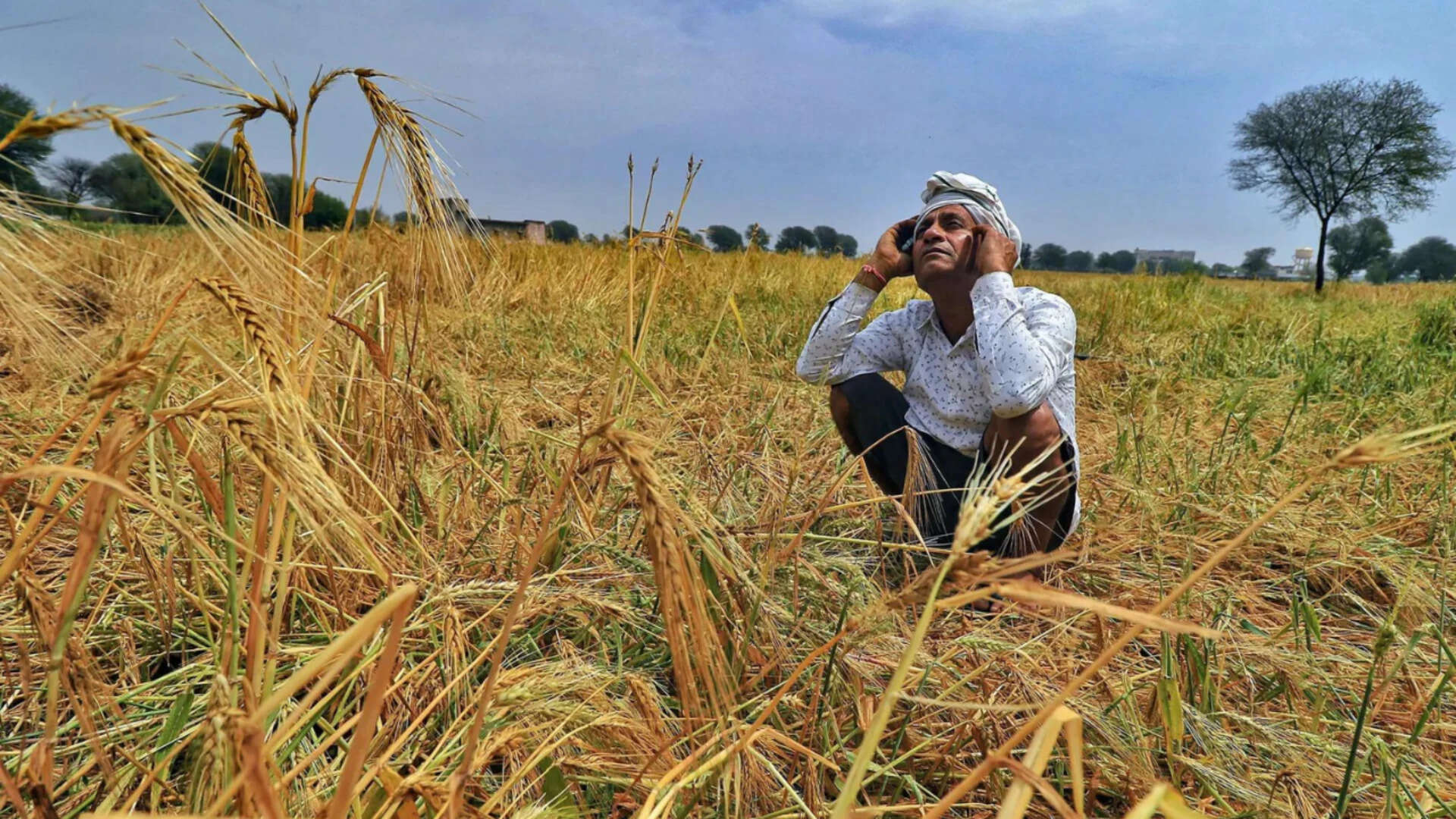
The primary impact of a weak monsoon is felt in the agricultural sector, which employs nearly half of India's workforce. When rainfall stays below the average levels, it directly affects the planting and growth of essential crops like rice, corn, cane, and soy. Beyond the farms, a poor monsoon can lead to higher food prices across the country. If the supply of vegetables and grains drops, the cost for everyday shoppers goes up, leading to inflation. Additionally, low rainfall reduces the water levels in dams and reservoirs, which are necessary for both drinking water and generating hydroelectric power.
Key Details
What Happened
The IMD issued its first long-range forecast for the 2026 monsoon season, stating that the total rainfall is likely to be less than what is considered normal. The monsoon, which typically lasts from June to September, provides about 70% of India's annual rain. The weather office pointed to the warming of the central Pacific Ocean, known as El Niño, as the main reason for this shift. While other factors can sometimes balance out El Niño, current data suggests that the drying effect will be the dominant force this year.
Important Numbers and Facts
The IMD defines "normal" rainfall as being between 96% and 104% of the Long Period Average (LPA). The LPA is the average amount of rain recorded over a 50-year period. A "below normal" forecast means the country is expected to receive less than 96% of that average. In some years with strong El Niño events, rainfall has even dropped below 90%, which is classified as a drought. The forecast also suggests that certain parts of Northwest and Central India might face the most significant dry spells, while other areas might see more erratic timing of rain showers.
Background and Context
To understand why this matters, one must look at how the Indian monsoon works. Every year, heat builds up over the Indian landmass, drawing in moist air from the Indian Ocean. This creates the seasonal rains that feed the soil. However, global weather patterns can interfere with this process. El Niño is a phenomenon where the surface water in the Pacific Ocean becomes unusually warm. This warmth changes the way air moves around the planet, often pushing rain clouds away from India and toward the Americas. In the past, many of India's worst droughts have happened during El Niño years. While technology has helped farmers become less dependent on rain, millions of small-scale farmers still have no access to artificial irrigation systems and rely entirely on the clouds.
Public or Industry Reaction
The news has caused concern among economists and industry leaders. Stock market analysts are closely watching companies that sell products to rural areas, as lower farm income usually means people spend less money on tractors, motorcycles, and consumer goods. Agricultural experts are advising farmers to consider planting crops that do not need a lot of water, such as millets or certain types of pulses. Meanwhile, the government is expected to monitor food stocks closely. In previous years of low rain, the government has sometimes limited the export of rice or sugar to ensure there is enough food for people at home and to keep prices from rising too fast.
What This Means Going Forward
Looking ahead, the focus will be on water management and emergency planning. If the rains are truly sparse, state governments will need to manage how water is shared between cities and farms. There is also a push for better use of weather technology so that farmers can get real-time updates on when to sow their seeds. If the dry spell continues into the later months of the year, it could also affect the winter crops, known as Rabi crops, because the soil will not have enough moisture left over from the summer. The government may also need to increase spending on rural employment programs to support workers who lose their jobs due to failed harvests.
Final Take
A "below normal" monsoon is a significant challenge for a growing country like India. While the nation has become better at managing food supplies over the years, the weather remains a powerful force that can change economic plans overnight. Success this year will depend on how well the country can save water and how quickly the government can react to help those most affected by the dry weather.
Frequently Asked Questions
What is El Niño?
El Niño is a natural weather event where the water in the Pacific Ocean gets warmer than usual. This change affects wind patterns and often causes less rain to fall in India and other parts of Asia.
How does low rainfall affect food prices?
When there is less rain, farmers grow fewer crops. A lower supply of food like rice and vegetables usually causes the price of these items to go up in local markets.
What can farmers do if there is less rain?
Farmers can switch to crops that survive well in dry conditions, use drip irrigation to save water, and follow weather reports closely to time their planting during the few days when it does rain.



