
Summary
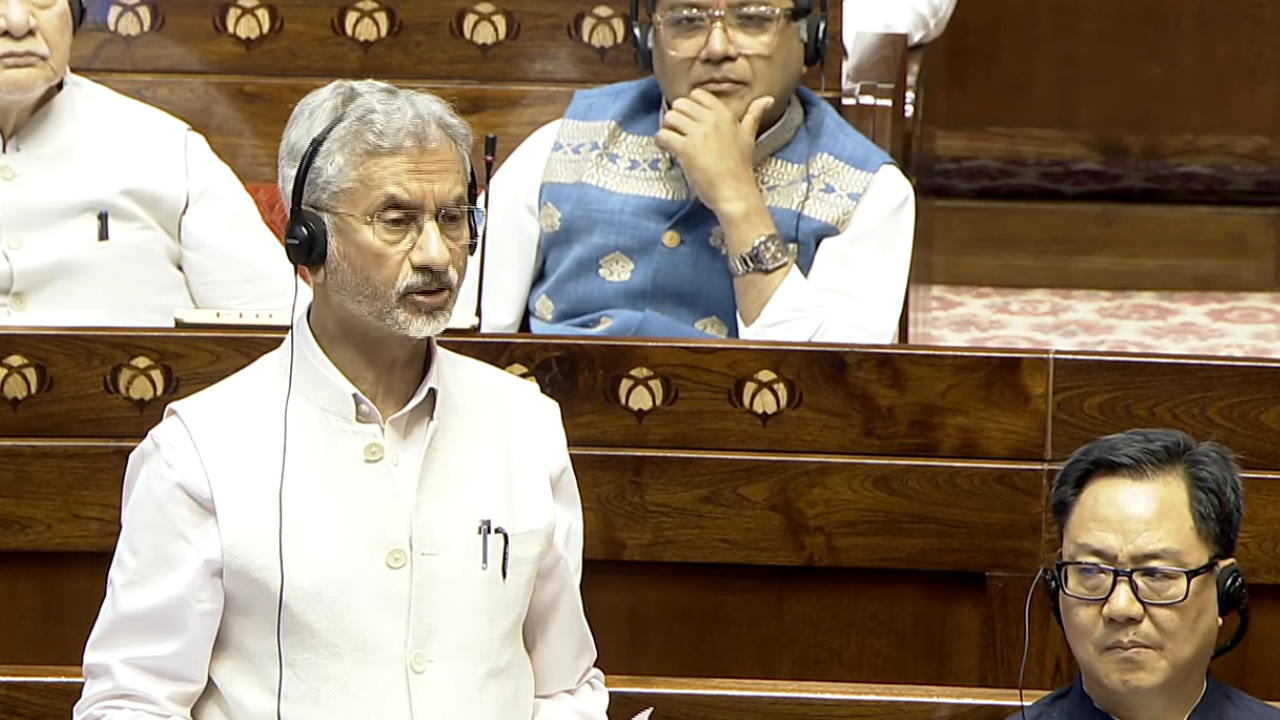
India is calling for an immediate end to the fighting in the Middle East through talk and peaceful negotiation. External Affairs Minister S. Jaishankar recently shared that staying in touch with the leadership in Iran has become a difficult task as the conflict grows. Prime Minister Narendra Modi is keeping a close watch on the situation because it directly affects India’s national interests. The Indian government is worried about the safety of millions of its citizens living in the region and the steady supply of energy needed to run the country.
Main Impact
The ongoing war in the Middle East is creating serious problems for India’s foreign policy and its economy. The most direct impact is the threat to human life, as seen by the recent deaths of two Indian sailors working on merchant ships. Beyond the immediate danger, the instability makes it hard for India to maintain its usual trade routes. If the conflict spreads, it could lead to higher prices for fuel and goods at home, making life more expensive for everyday people in India.
Key Details
What Happened
External Affairs Minister S. Jaishankar spoke about the challenges India faces in trying to help lower the tension in the Middle East. He mentioned that while India wants to communicate with all sides, reaching the top leaders in Iran is not easy right now. This lack of clear communication makes it harder to coordinate peace efforts or ensure that Indian interests are protected. India has always tried to stay neutral and maintain good relations with both Israel and Iran, but the current violence is making that balance much harder to keep.
Important Numbers and Facts
The scale of India’s connection to the Middle East is massive. More than 10 million Indian citizens live and work in the Gulf region. These people send money back home to their families, which helps the Indian economy stay strong. Additionally, India gets a large portion of its crude oil and natural gas from this part of the world. Any break in the supply chain could cause a fuel shortage. The minister also confirmed the tragic loss of two Indian mariners, highlighting that the war is already costing Indian lives even though the country is not a part of the fighting.
Background and Context
The Middle East has been a center of tension for a long time, but the current level of war is higher than seen in recent years. India has deep historical and economic ties with the region. For decades, India has relied on the Middle East for energy and as a place where its citizens can find good jobs. In the past, India has successfully talked to different sides to solve problems. However, the current situation involves many different groups and countries, making it a very messy and dangerous problem to solve. India’s main goal is to prevent the war from growing into a larger regional battle that could pull in more countries.
Public or Industry Reaction
Business leaders and shipping companies are very concerned about the safety of sea routes. The deaths of Indian sailors have sent a wave of worry through the maritime industry. Many companies are now thinking twice about sending ships through dangerous areas like the Red Sea. Within India, there is a general sense of concern for the well-being of the 10 million workers living in the Gulf. Families are worried about their relatives, and many are asking the government to have a plan ready in case a large-scale rescue or evacuation is needed.
What This Means Going Forward
Moving forward, India will likely increase its diplomatic efforts to bring different leaders to the table. The government will focus on keeping the sea lanes open so that trade can continue. If the situation with Iran remains difficult, India might look for other ways to send messages or use its friendships with other countries to help bridge the gap. There is also a strong possibility that India will work on making its energy sources more diverse so that it does not rely so heavily on just one region. The safety of Indian workers will remain the top priority for the Ministry of External Affairs.
Final Take
India finds itself in a tough spot as it tries to navigate a major war that it did not start but is deeply affected by. The difficulty in reaching Iranian leaders shows how quickly traditional ways of talking can break down during a crisis. By focusing on peace and the safety of its people, India is trying to act as a voice of reason. The coming weeks will be vital in seeing if dialogue can truly replace weapons in this high-stakes situation.
Frequently Asked Questions
Why is it hard for India to contact Iran's leadership?
The intense conflict and shifting political situation in the region have made regular communication channels less reliable. This makes it difficult for diplomats to get clear answers or coordinate efforts quickly.
How many Indians are currently in the Gulf region?
There are over 10 million Indian citizens living and working across the Gulf. This large number makes the region very important for India’s social and economic well-being.
How does the Middle East war affect petrol prices in India?
Since India buys a lot of its oil from the Middle East, any war that stops oil from being pumped or shipped can lead to a global shortage. When there is less oil available, the price usually goes up, which means petrol becomes more expensive at the pump.



