
Summary
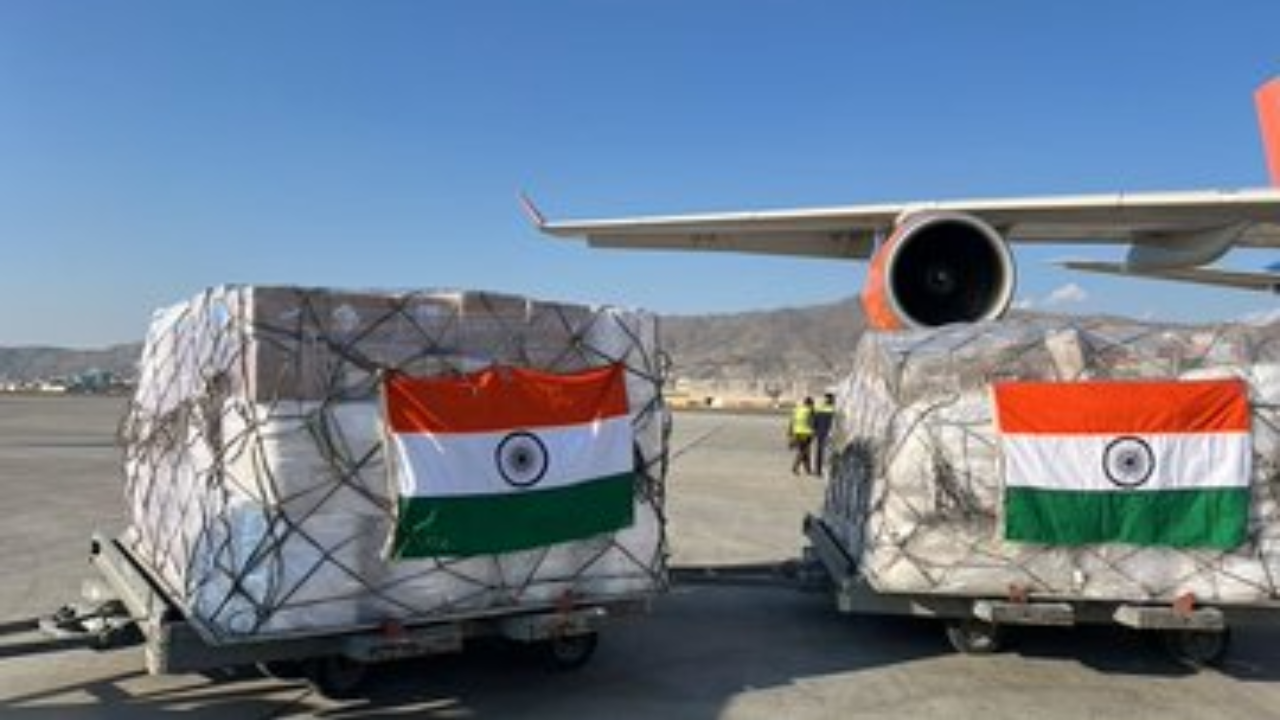
India has delivered a significant shipment of medical aid to Kabul to help victims of a recent deadly attack. The 2.5-ton consignment includes essential medicines and medical equipment intended for those injured in an airstrike on a drug rehabilitation center. This move highlights India's ongoing commitment to providing humanitarian support to the people of Afghanistan during times of crisis. By sending these supplies, India aims to show its support for the Afghan public following a tragic event that caused a high number of casualties.
Main Impact
The arrival of this medical aid provides immediate relief to a healthcare system that is currently under extreme pressure. Following the strike on the rehabilitation center, local hospitals in Kabul faced a sudden influx of patients with severe injuries. The 2.5 tons of supplies will help doctors and nurses treat wounds, perform necessary surgeries, and manage the recovery of survivors. This assistance is vital because medical resources in the region are often limited, and a sudden disaster can quickly use up available stocks.
Beyond the physical supplies, the gesture serves as a diplomatic signal. It shows that India remains a steady partner for the Afghan people, focusing on human needs despite the complex political situation in the region. This type of aid helps maintain a connection between the two nations and ensures that innocent civilians receive the care they need after violent incidents.
Key Details
What Happened
On March 16, a drug rehabilitation center in Afghanistan was hit by an airstrike. Reports indicate that the strike was carried out by Pakistani forces. The center, which was meant to help people recover from addiction, became the site of a major tragedy. India responded quickly to the news by organizing a shipment of medical goods to assist the survivors and the facility's staff. The aid was flown directly to Kabul to ensure it reached the people in need as fast as possible.
Important Numbers and Facts
The scale of the tragedy and the subsequent relief effort can be understood through several key figures:
- Aid Weight: India sent a total of 2.5 tons of medical supplies and equipment.
- Casualties: Reports suggest that over 400 people lost their lives in the attack on the center.
- Date of Incident: The airstrike took place on March 16, 2026.
- Type of Aid: The shipment contains life-saving drugs, surgical items, and general medical tools required for emergency trauma care.
Background and Context
Afghanistan has dealt with decades of conflict, which has left its infrastructure, including hospitals and clinics, in a fragile state. Drug addiction is also a widespread problem in the country, making rehabilitation centers very important for the community. These centers provide a path for people to rebuild their lives, and an attack on such a facility is seen as a major blow to social recovery efforts.
India has a long history of helping Afghanistan through humanitarian projects. In the past, India has sent large amounts of wheat to fight hunger, as well as millions of doses of vaccines during health crises. India also maintains a "Technical Team" in Kabul to coordinate these relief efforts. This latest shipment of medicine is part of a larger policy where India acts as a first responder for its neighbors during natural disasters or man-made tragedies.
Public or Industry Reaction
The Indian government stated that this mission is about standing in solidarity with the Afghan people. Officials emphasized that the focus is strictly on humanitarian grounds. By providing these supplies, India is fulfilling its promise to help the public regardless of the challenges on the ground. International observers often note that India’s approach to Afghanistan focuses on "people-to-people" ties, which means helping the citizens directly through food, medicine, and education.
Local health workers in Kabul have expressed that any additional supplies are welcome, as they often run out of basic items like bandages, painkillers, and antibiotics. The arrival of 2.5 tons of equipment is expected to make a noticeable difference in the quality of care provided to the victims of the March 16 strike.
What This Means Going Forward
In the coming weeks, the focus will be on distributing these supplies to the hospitals where the injured are being treated. The success of this delivery may lead to further shipments if the medical needs continue to grow. It also sets a precedent for how regional neighbors might respond to future crises in Afghanistan. India is likely to monitor the situation closely to see if more food or specialized medical teams are required.
The incident also highlights the ongoing tensions between Pakistan and Afghanistan. While the political and military situation remains tense, the international community will be watching to see if humanitarian corridors remain open. For India, the priority will remain the delivery of aid to ensure that the Afghan people do not suffer more than they already have from the lack of basic services.
Final Take
India’s quick response to the tragedy in Kabul shows that humanitarian aid can be a powerful tool for support. By sending 2.5 tons of medical supplies, India is providing more than just medicine; it is offering a message of hope to a grieving population. This action reinforces India's role as a reliable partner in the region, dedicated to helping civilians in their most difficult moments.
Frequently Asked Questions
Why did India send medical aid to Kabul?
India sent the aid to help treat people injured in an airstrike on a drug rehabilitation center that occurred on March 16. The goal is to support the Afghan people during a humanitarian crisis.
How much aid was sent in this shipment?
The shipment weighed 2.5 tons and consisted of essential medicines, surgical equipment, and other medical supplies needed for emergency care.
What happened at the rehabilitation center in Afghanistan?
The center was hit by an airstrike that reportedly killed over 400 people. The attack caused a massive medical emergency, leading to a shortage of supplies in local hospitals.



