
Summary
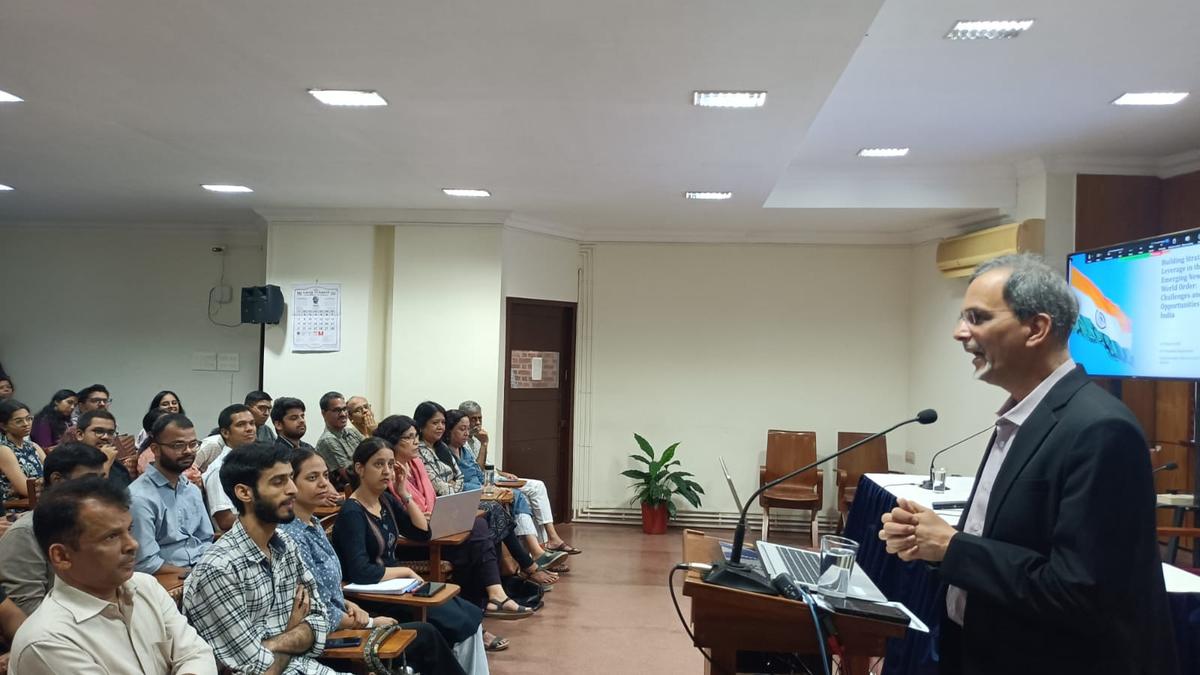
India’s Chief Economic Advisor, V. Anantha Nageswaran, recently spoke about the importance of domestic production, often called 'Swadeshi.' He explained that building a strong local economy is the best way for India to gain power and influence in the modern world. By focusing on making goods at home and selling them abroad, the country can protect itself from global problems. This strategy aims to make India a vital part of the global economy that other nations cannot ignore.
Main Impact
The main goal of this approach is to create what Nageswaran calls "strategic leverage." This means that when India is strong in manufacturing, it has more power when talking to other countries. If India produces essential goods that the rest of the world needs, it becomes a key player in global trade. This shift is not just about helping local businesses; it is about making sure India can stand on its own feet during international crises or trade wars.
Key Details
What Happened
V. Anantha Nageswaran shared his views on how India should handle the changing global order. He argued that the old way of just buying goods from the cheapest source is no longer safe. Instead, India must focus on "strategic resilience." This involves building a system where the country can keep running even if global supply chains break down. He stressed that being competitive in manufacturing is the only way to achieve this goal. If Indian products are high quality and priced well, they will succeed in both local and international markets.
Important Numbers and Facts
The government has been pushing for a larger share of manufacturing in the national economy. Currently, the goal is to increase manufacturing's contribution to the Gross Domestic Product (GDP) significantly over the next few years. By boosting exports, India aims to reduce its trade deficit, which happens when a country buys more from others than it sells to them. Nageswaran pointed out that "strategic indispensability" is the ultimate target. This is a state where India’s role in the global supply chain is so important that any disruption would hurt the whole world, giving India a seat at the top table of global decision-making.
Background and Context
For a long time, many countries relied on a few specific nations for almost everything they needed. However, recent events like the global pandemic and various wars showed that this was a risky plan. When factories in one part of the world closed, everyone else suffered. This has led to a global trend where countries want to "de-risk" their trade. They are looking for new partners and trying to make more things at home.
In India, the idea of 'Swadeshi' has deep historical roots, but the modern version is different. It is not about closing doors to the world. Instead, it is about being strong enough to compete with the best. The government wants to move away from just being a place that provides services, like software and call centers. They want India to be a factory for the world, similar to how some East Asian countries grew their economies in the past.
Public or Industry Reaction
Business leaders have generally welcomed these comments. Many factory owners believe that government support for local making will help them grow and hire more people. They agree that India needs to improve its roads, ports, and electricity to help goods move faster and cheaper. However, some economists warn that India must not become too closed off. They argue that while 'Swadeshi' is good, the country must still follow international trade rules to keep its export markets open. The balance between protecting local industry and staying open to global competition is a major topic of debate among experts.
What This Means Going Forward
Moving forward, we can expect the government to keep supporting programs that help local factories. This includes giving money or tax breaks to companies that make things in India. There will also be a bigger focus on technology. To be truly "indispensable," India cannot just make simple items; it must also produce high-tech goods like chips, green energy tools, and advanced machinery. The next few years will show if India can improve its skills and infrastructure enough to meet these high goals. Success would mean a more stable economy and a stronger voice in international politics.
Final Take
Economic strength is the foundation of national power. By focusing on domestic manufacturing and competitive exports, India is trying to ensure it is never left behind in a fast-changing world. The shift toward self-reliance is not just an economic choice; it is a move to ensure that India remains a leader on the global stage for decades to come.
Frequently Asked Questions
What does 'Swadeshi' mean in this context?
In this context, it refers to making goods within India to reduce dependence on other countries and to build a strong, self-reliant economy that can compete globally.
What is strategic indispensability?
It is a situation where a country produces goods or services that are so important to the rest of the world that other nations cannot easily function without them.
Why is manufacturing so important for India?
Manufacturing creates many jobs and helps a country earn money by selling goods to other nations. It also makes the economy more stable by reducing the need to import expensive items from abroad.



