Summary
In several states across India, local governments are facing serious accusations of taking land from tribal groups and small farmers to benefit large private companies. These actions have led to forced evictions, police crackdowns, and the arrest of local activists. From the mining hills of Odisha to the farming plains of Uttar Pradesh, residents are fighting to keep their ancestral homes and livelihoods. This trend shows a growing conflict between industrial expansion and the rights of the people who live on the land.
Main Impact
The most significant impact of these land deals is the displacement of thousands of families. Tribal communities, known as Adivasis, are losing access to forests that provide their food and income. In many cases, the law requires the government to get permission from local village councils before taking land, but reports suggest these rules are being ignored or bypassed. This has created a climate of fear and anger, leading to large-scale protests and a breakdown in trust between the public and the state.
Key Details
What Happened
In Odisha’s Sijimali region, police recently used force against villagers who were protesting a new bauxite mining project by Vedanta Ltd. Local leaders were arrested under strict anti-terror laws, which critics say is a move to stop any form of dissent. Similar events took place in Varanasi, where a historic Gandhian center was demolished and its residents were removed. In Ayodhya, the expansion of the Ram temple complex reportedly led to the removal of over 4,000 shops and houses, affecting roughly 50,000 people.
Important Numbers and Facts
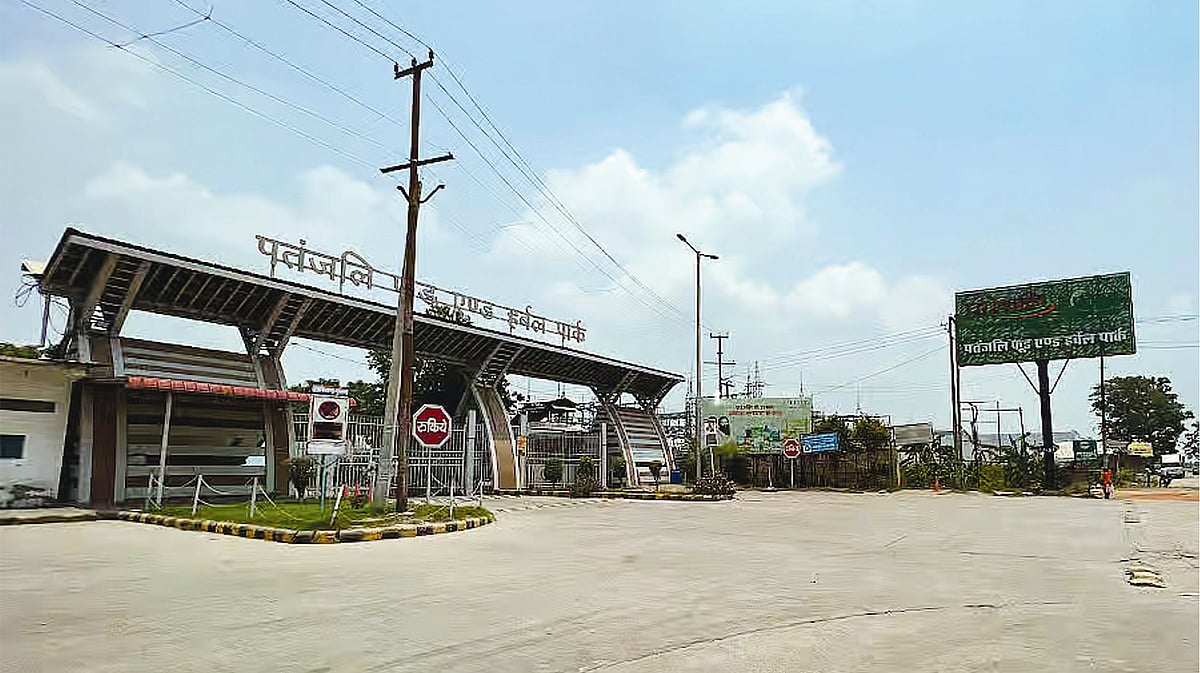
The scale of these land acquisitions is massive. In Madhya Pradesh, officials are accused of helping powerful individuals take over 15,000 acres of government land. In Assam, the government has set aside 6,000 acres for a solar project and over 1,100 acres for a power plant, often without the required tribal consent. Financial records also show strange deals, such as a plot of land in Ayodhya being bought for 2 crore rupees and sold to a religious trust for 18.5 crore rupees just ten minutes later.
Background and Context
Land is a sensitive issue in India because it is tied to survival for millions of people. For tribal groups, the land is not just property; it is part of their culture and history. Laws like the Sixth Schedule were created to protect these groups from being exploited. However, as the demand for minerals like coal and iron ore grows, the government is under pressure to provide land to big businesses. Activists argue that the current approach prioritizes corporate profits over the basic rights of citizens.
Public or Industry Reaction
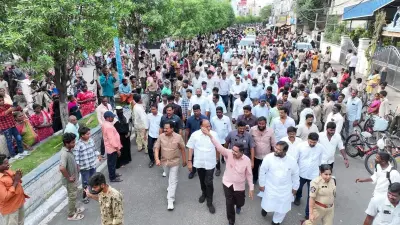
The reaction from the public has been one of strong resistance. Farmers in Varanasi have stated they are willing to give up their lives but not their land. Activists have compared the current administration's tactics to those used during colonial times, claiming that signatures on consent forms are often faked. On the other side, some government supporters argue that these projects are necessary for modernizing the country and creating jobs, even if they cause temporary hardship for some residents.
What This Means Going Forward
The future of these projects depends heavily on the legal system. Many of these land deals are now being challenged in high courts. If the courts find that the government broke the law or ignored tribal rights, projects could be stopped or delayed. However, if the current trend continues, there is a risk of increased social unrest. The government will need to find a way to talk to local communities and offer fair compensation if they want to avoid long-term conflict.
Final Take
The struggle over land in India highlights a difficult choice between economic growth and social justice. When the state uses its power to favor large corporations over its poorest citizens, it risks creating deep divisions in society. True progress should not come at the cost of making thousands of people homeless or destroying the environment they depend on. A more balanced approach that respects local rights and follows the law is the only way to ensure lasting peace and development.
Frequently Asked Questions
Why are tribal communities protesting against mining?
Tribal groups rely on the forests and land for their food, water, and culture. Mining projects often destroy these resources and force people to move without giving them a new way to make a living.
What is the Sixth Schedule?
The Sixth Schedule is a part of the Indian Constitution that gives tribal areas the power to manage their own land and resources. It requires the government to consult with local councils before starting big projects.
Are people being paid for their land?
While some people receive money, many residents and activists claim the payments are too low. In some cases, people say they were forced to sell their land or that they received no compensation at all after their homes were demolished.