
Summary
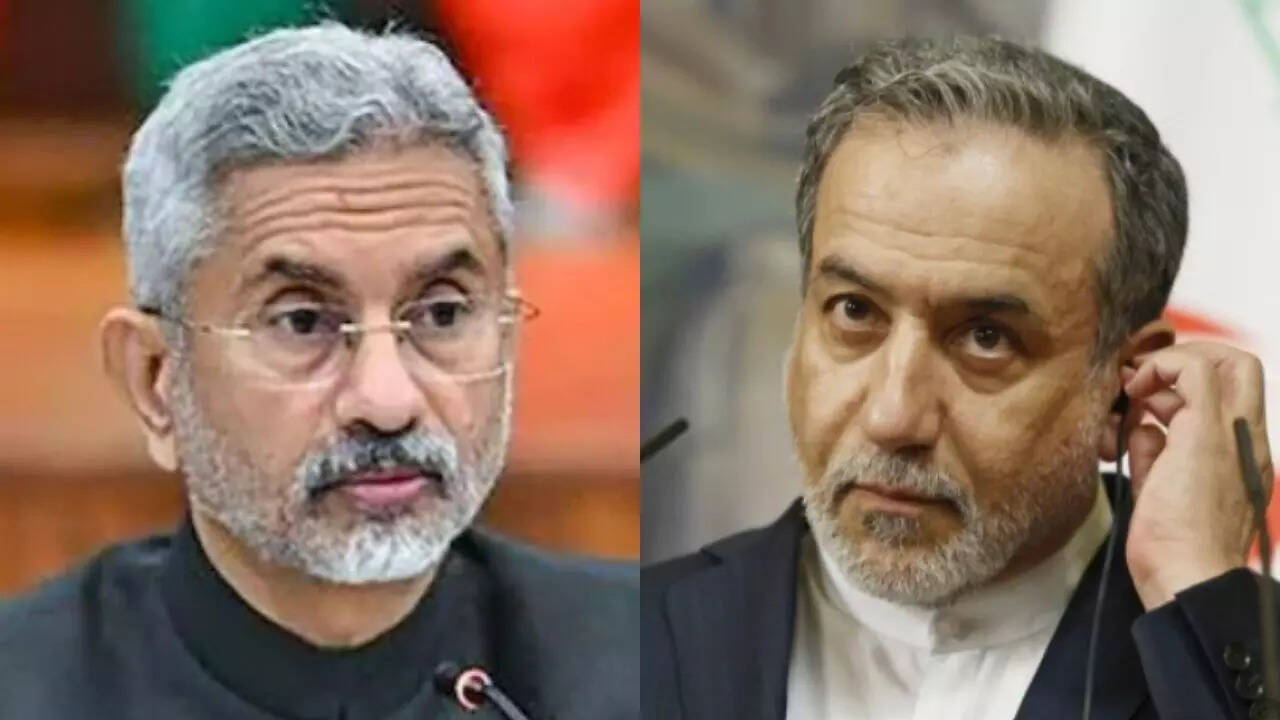
India has stepped up its diplomatic efforts to address the growing tension in West Asia. External Affairs Minister S. Jaishankar recently held a phone conversation with Iranian Foreign Minister Abbas Araghchi to discuss the ongoing conflict. This high-level talk took place during the Eid festival, highlighting the importance of the relationship between the two nations. Prime Minister Narendra Modi also spoke with Iranian President Masoud Pezeshkian to share concerns about regional safety and the protection of global trade routes.
Main Impact
The primary impact of these talks is the focus on regional stability and the safety of international shipping. West Asia is a vital area for global trade, and any long-term conflict there can lead to higher prices for oil and everyday goods. By engaging directly with Iran, India is trying to ensure that the conflict does not spread further. This diplomacy is crucial for keeping sea routes open, which allows ships to carry products across the world without the fear of being attacked. If these routes are blocked, it could hurt the economies of many countries, including India.
Key Details
What Happened
The discussions involved the top leaders of both India and Iran. External Affairs Minister S. Jaishankar used the occasion of Eid to reach out to his counterpart, Abbas Araghchi. They focused their talk on the current fighting in the region and how it might affect nearby countries. At the same time, Prime Minister Modi spoke with President Pezeshkian. Their conversation was more formal, focusing on the broader risks to the world. Both leaders agreed that the current situation is a threat to peace and needs careful handling to avoid a larger disaster.
Important Numbers and Facts
While specific secret details of the calls were not made public, the focus remained on "freedom of navigation." This term refers to the right of ships to move through international waters safely. Currently, a large percentage of the world's oil passes through the waters near Iran. India also has a major interest in the Chabahar Port in Iran, which is a key part of its trade strategy. Maintaining a good relationship with Iran is essential for India to keep this port operational and to continue trading with countries in Central Asia and Europe.
Background and Context
To understand why these talks matter, we have to look at the current state of West Asia. The region has seen a sharp increase in fighting over the past year. This conflict involves several groups and countries, leading to a very unstable situation. India has a difficult job because it maintains good relations with both Israel and Iran. India needs to balance these friendships to protect its own interests.
India also cares deeply about the millions of Indian citizens who live and work in the Middle East. Their safety and the money they send back home are very important to India's economy. Furthermore, India gets a large portion of its energy supplies from this part of the world. Any major war would cause oil prices to jump, making life more expensive for everyone in India. By talking to Iran, India is trying to act as a voice of reason and push for a peaceful solution.
Public or Industry Reaction
The international community and business experts have noted India's active role in these discussions. Shipping companies are particularly relieved to see major powers talking about the safety of sea lanes. In the past few months, several commercial ships have faced threats in the Red Sea and the Gulf region. Industry leaders believe that diplomatic pressure from countries like India can help reduce these risks. Within India, political experts see this as a sign of the country's growing influence on the world stage. They believe that India is now seen as a bridge between different sides in global conflicts.
What This Means Going Forward
Looking ahead, we can expect India to continue its "middle path" diplomacy. This means India will likely keep talking to all sides involved in the West Asia conflict. The next steps will likely involve more meetings between officials to discuss trade and security. India will also keep a close eye on the Chabahar Port project to make sure it stays on track despite the regional tension. If the fighting continues, India may have to work even harder to protect its trade routes and its citizens living abroad. The goal is to prevent the conflict from turning into a full-scale war that could damage the global economy.
Final Take
The recent talks between Indian and Iranian leaders show that diplomacy is still the best tool for managing global crises. By focusing on trade safety and regional peace, India is protecting its own economic future while trying to help the rest of the world. These conversations are a reminder that even during holidays like Eid, the work of keeping the world safe and connected never stops. Moving forward, the success of these diplomatic efforts will depend on whether all parties are willing to choose talk over force.
Frequently Asked Questions
Why did India talk to Iran about the West Asia conflict?
India talked to Iran because the conflict affects global trade and energy prices. India wants to ensure that shipping routes remain safe and that the tension does not turn into a larger war that could hurt the economy.
What is "freedom of navigation" and why is it important?
Freedom of navigation is the right of ships to travel through international waters without being attacked. It is important because most of the world's goods and oil are moved by sea. If ships are not safe, prices for everything go up.
What is the Chabahar Port?
The Chabahar Port is a major sea port in Iran that India is helping to develop. It allows India to trade with Central Asia and Russia more easily, bypassing other difficult land routes. It is a key part of India's economic strategy.



