
Summary
India is facing growing pressure to take a lead role in stopping the conflict between the United States, Israel, and Iran. As the current chair of the BRICS+ group, India has been asked by Iran to use its influence to help end the fighting. At home, the Congress party is criticizing Prime Minister Narendra Modi for not taking faster action. They are calling for the upcoming BRICS+ Summit in New Delhi to be held sooner to address the crisis and protect global interests.
Main Impact
The ongoing war in the Middle East is no longer just a local issue; it is a global crisis that threatens energy supplies and economic stability. India holds a unique position this year as the head of BRICS+, a group that now includes major players like Iran, Saudi Arabia, and the United Arab Emirates. Because India has good relations with both the West and the Middle East, many leaders believe New Delhi is the only power that can bring all sides to the table. However, failing to act could hurt India's reputation as a global leader and leave millions of Indian workers in the region at risk.
Key Details
What Happened
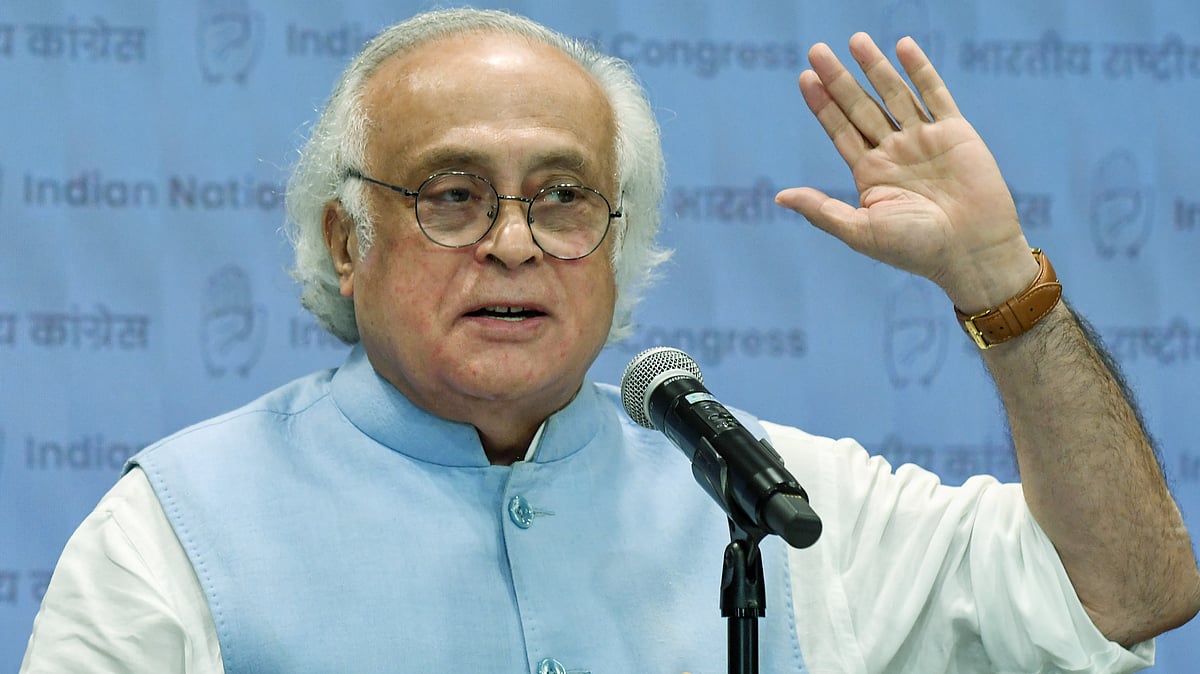
The situation escalated after Iran’s President, Masoud Pezeshkian, personally asked India to intervene. He wants India to use its "independent influence" to stop the military offensive led by the US and Israel. Following this request, the Congress party in India attacked the government’s silence. Jairam Ramesh, a senior Congress leader, questioned why the government is waiting until later in the year to hold the BRICS+ Summit. He suggested that the Prime Minister is delaying action to avoid upsetting US President Donald Trump and Israeli Prime Minister Benjamin Netanyahu.
Important Numbers and Facts
The conflict has now entered its fourth week with no sign of stopping. Over the weekend, Israel reported continued missile strikes from Iran. Meanwhile, Saudi Arabia intercepted 20 drones over its eastern region, which is home to vital oil facilities. The BRICS+ group, which India leads this year, has grown significantly. It now includes Brazil, Russia, India, China, South Africa, Argentina, Egypt, Ethiopia, Saudi Arabia, Iran, and the UAE. This group represents a large portion of the world’s population and its oil production, making its collective voice very powerful.
Background and Context
To understand why this matters, we have to look at India’s complicated friendships. For years, India has built strong ties with the United States and Israel for technology and defense. At the same time, India relies heavily on Iran and the Gulf nations for oil and gas. There are also millions of Indian citizens living and working in these Middle Eastern countries. If the war spreads, oil prices will go up, and the safety of these workers will be in danger. This is why the opposition party is pushing the government to act now rather than waiting for the scheduled summit dates.
Public or Industry Reaction
The political reaction in India has been sharp. The Congress party claims that the government is "diminishing" the value of the BRICS+ presidency. They argue that by not issuing a strong statement against the violence, India is looking weak on the global stage. On the other hand, some experts say the government is "walking a tightrope." This means they are trying to stay neutral so they do not lose their friends on either side. However, critics say that being a "global teacher" or "Vishwaguru" requires taking a stand when a major war breaks out.
What This Means Going Forward
The next few weeks are critical. Donald Trump has set a deadline to reopen the Strait of Hormuz, a vital path for the world’s oil. He has warned that the US might attack Iran’s energy plants if they do not comply. Iran has responded by threatening to hit back at important infrastructure across the Middle East, including plants that provide fresh water. If India does not move the BRICS+ Summit forward or start a major diplomatic push, the conflict could lead to a total shutdown of trade routes. This would cause a massive spike in fuel prices and cost of living worldwide.
Final Take
India finds itself at a crossroads where it must choose between quiet diplomacy and active leadership. As the chair of a powerful group like BRICS+, the world expects New Delhi to do more than just watch from the sidelines. Holding the summit early could provide a safe space for leaders to talk and prevent a wider war. True global leadership is measured by the ability to bring peace during a crisis, not just by hosting large events.
Frequently Asked Questions
Why is India the chair of BRICS+?
The leadership of BRICS+ rotates every year among its member countries. This year, it is India’s turn to lead the group and host the annual summit in New Delhi.
What is the Strait of Hormuz and why is it important?
It is a narrow water passage between the Persian Gulf and the Gulf of Oman. It is the most important oil route in the world, as a large part of the world's petroleum passes through it.
Why is the Congress party criticizing PM Modi?
The Congress party believes the Prime Minister is not using India's power as BRICS+ chair to stop the war. They want the government to hold the summit immediately to deal with the crisis instead of waiting.

