
Summary
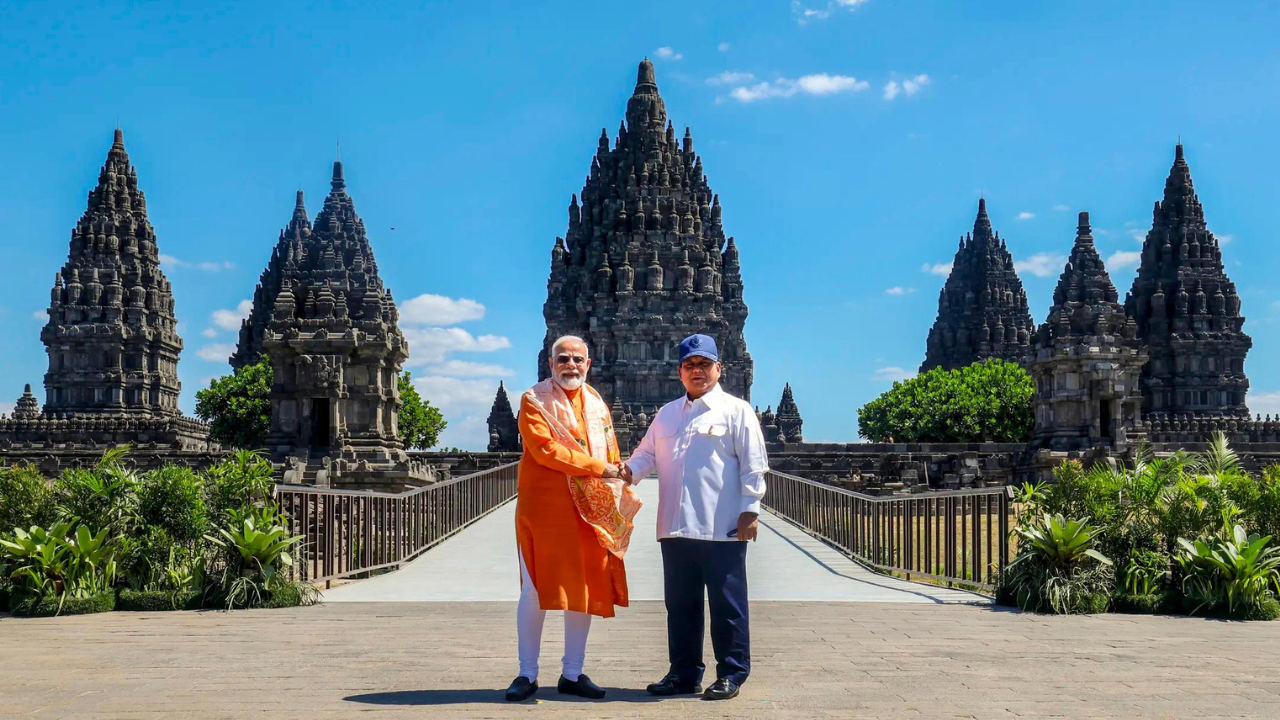
Prime Minister Narendra Modi and Indonesian President Prabowo Subianto launched a project to restore smaller temples in the Prambanan complex. This effort highlights India's cultural diplomacy and the deep historical ties between the two countries. Prambanan is a 9th-century Hindu temple and a UNESCO World Heritage Site. The complex has suffered damage from natural disasters over the years. Restoration work now combines traditional methods with modern techniques.
Main Impact
The restoration project marks a significant step in preserving a shared cultural heritage. It also strengthens the relationship between India and Indonesia. By working together on this ancient site, both nations show their commitment to protecting historical landmarks. This initiative goes beyond simple repair work. It serves as a symbol of the long-standing civilizational links that connect the two countries.
Key Details
What Happened
During his visit to Indonesia, Prime Minister Modi joined President Subianto to officially start the restoration project. The focus is on smaller temples within the larger Prambanan complex. Indian experts will work alongside Indonesian authorities. The project aims to repair damage caused by earthquakes and other natural events over centuries.
Important Numbers and Facts
Prambanan was built in the 9th century during the Hindu Mataram Kingdom. It is one of the largest Hindu temple complexes in Southeast Asia. The main temple is dedicated to the Hindu god Shiva. The site was added to the UNESCO World Heritage list in 1991. It has faced several earthquakes, including a major one in 2006 that caused significant damage. Restoration work has been ongoing since then.
Background and Context
Prambanan is not just a tourist attraction. It is a living piece of history that shows how Indian culture spread across Southeast Asia many centuries ago. The temple complex features carvings and stories from Hindu epics like the Ramayana. This shared heritage makes the restoration project meaningful for both India and Indonesia. Cultural diplomacy, or using culture to build bridges between countries, is a key part of India's foreign policy. This project is a clear example of that approach in action.
Public or Industry Reaction
The announcement has been welcomed by historians and cultural experts in both countries. Many see it as a positive move that goes beyond politics. Local communities in Indonesia have also expressed support. They view the project as a way to preserve an important part of their national heritage. The collaboration between Indian and Indonesian teams is seen as a model for future cultural projects.
What This Means Going Forward
The restoration of Prambanan's smaller temples will take time and careful work. But the project sets a strong example for how countries can work together to protect shared history. It also opens the door for more cultural exchanges between India and Indonesia. As the work progresses, it could attract more tourists and scholars to the site. This would help the local economy and raise awareness about the importance of preserving ancient monuments.
Final Take
The Prambanan restoration project is more than just fixing old stones. It is a powerful reminder of the deep cultural roots that connect India and Indonesia. By investing in this shared heritage, both nations are building a stronger foundation for future cooperation. The project shows that history can be a bridge, not just a memory.
Frequently Asked Questions
What is the Prambanan temple complex?
Prambanan is a 9th-century Hindu temple complex in Indonesia. It is a UNESCO World Heritage Site and one of the largest Hindu temples in Southeast Asia. The main temple is dedicated to the god Shiva.
Why is India helping restore temples in Indonesia?
India and Indonesia share deep historical and cultural ties. The restoration project is part of India's cultural diplomacy. It aims to preserve a shared heritage and strengthen the relationship between the two countries.
What kind of damage has Prambanan suffered?
The temple complex has been damaged by natural disasters, especially earthquakes. A major earthquake in 2006 caused significant harm. Restoration work has been ongoing since then, using both traditional and modern techniques.



