
Summary
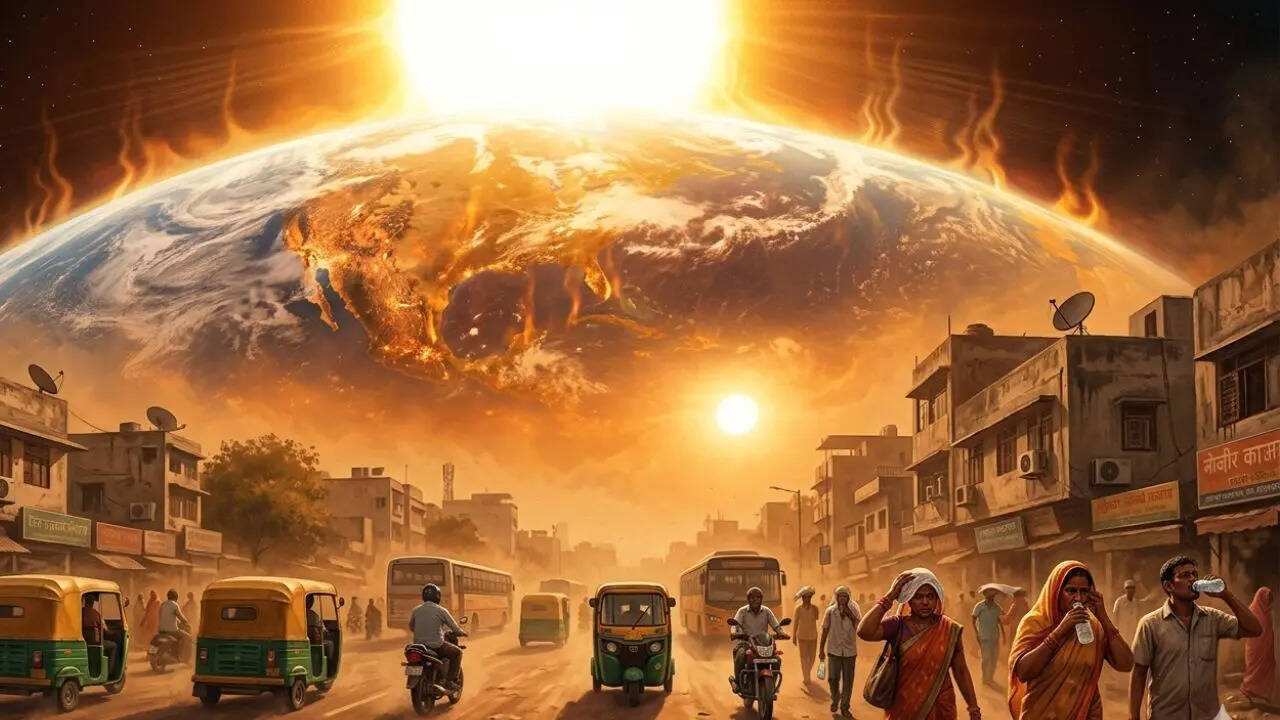
Earth Day 2026 has arrived with a serious warning for India. The country is currently facing a summer that started much earlier than anyone expected. Temperatures are reaching dangerous levels, and heatwaves are lasting for a long time. This extreme weather is causing a major water shortage across many states. As the heat continues, hospitals are seeing more people getting sick, making this year’s Earth Day a call for urgent action to protect the environment and public health.
Main Impact
The biggest problem this year is the double hit of extreme heat and a lack of water. When temperatures rise, people and animals need more water to stay alive. However, the same heat causes water in lakes and rivers to dry up quickly. This creates a difficult situation where the demand for water is high, but the supply is very low. This crisis is affecting everything from daily life in big cities to farming in rural areas. It is also putting a lot of pressure on the power grid as people try to use fans and cooling systems to stay safe.
Key Details
What Happened
In 2026, the typical spring season seemed to disappear. By March and early April, many parts of India were already feeling the kind of heat usually seen in the middle of May. These heatwaves are not just hot during the day; they are staying hot at night too. When the sun goes down, the temperature does not drop enough for the air to cool off. This means people’s bodies do not get a break from the heat, which leads to more cases of heatstroke and exhaustion.
Important Numbers and Facts
Weather experts have noted that temperatures in several cities have stayed above 40 degrees Celsius for many days in a row. Water levels in the country’s main reservoirs have dropped to very low percentages compared to previous years. Health officials report that the number of people visiting clinics for heat-related issues has jumped significantly. Additionally, the early start to summer has shortened the growing season for some important crops, which could lead to higher food prices later in the year.
Background and Context
Earth Day is an annual event held on April 22 to show support for protecting the environment. It started over 50 years ago, but the message has changed over time. In the past, the focus was often on picking up litter or planting trees. Today, the focus is on survival. Scientists have warned for years that the planet is getting warmer because of human activity. In India, this warming is seen in the changing seasons. Summers are getting longer, and the monsoon rains are becoming harder to predict. This year’s extreme weather is a clear sign that these changes are happening right now.
Public or Industry Reaction
People across the country are worried about how they will get through the coming months. In many neighborhoods, people have to wait in long lines for water tankers because their taps have run dry. Environmental groups are calling for cities to plant more trees and create "cool zones" where people can go to escape the sun. Industry experts are also worried about the economy. Factories and construction sites have to slow down or stop work during the hottest parts of the day to keep workers safe. This slowdown affects how much money people can earn and how fast the country can grow.
What This Means Going Forward
Moving forward, India will need to change how it prepares for the summer. Local governments are being urged to create better "Heat Action Plans." These plans include warning people before a heatwave hits and making sure there is enough water for everyone. There is also a big push to save rainwater when it does fall, so it can be used during these dry periods. On a larger scale, this situation shows that the world must work harder to stop the planet from getting even hotter. If temperatures continue to rise, these early and long summers will become the new normal.
Final Take
Earth Day 2026 is not just a day to talk about nature; it is a day to realize that our environment directly affects our health and our ability to live comfortably. The current heat and water crisis in India shows that the climate is changing faster than many expected. Taking care of the planet is no longer just a nice thing to do—it is necessary for our future. We must find ways to use less water and keep our cities cooler if we want to stay safe in a warming world.
Frequently Asked Questions
Why is the heat in 2026 different from other years?
The heat started much earlier in the year and has lasted longer without a break. Also, the nights are staying very warm, which makes it harder for people to recover from the daytime heat.
How does the heatwave affect the water supply?
High temperatures cause water in reservoirs and lakes to evaporate faster. At the same time, people use more water to stay cool and hydrated, which quickly uses up the limited supply.
What can individuals do to help during this crisis?
People can help by using water carefully and not wasting it. Staying indoors during the hottest part of the day and checking on elderly neighbors who might be at risk from the heat is also very important.



