
Summary
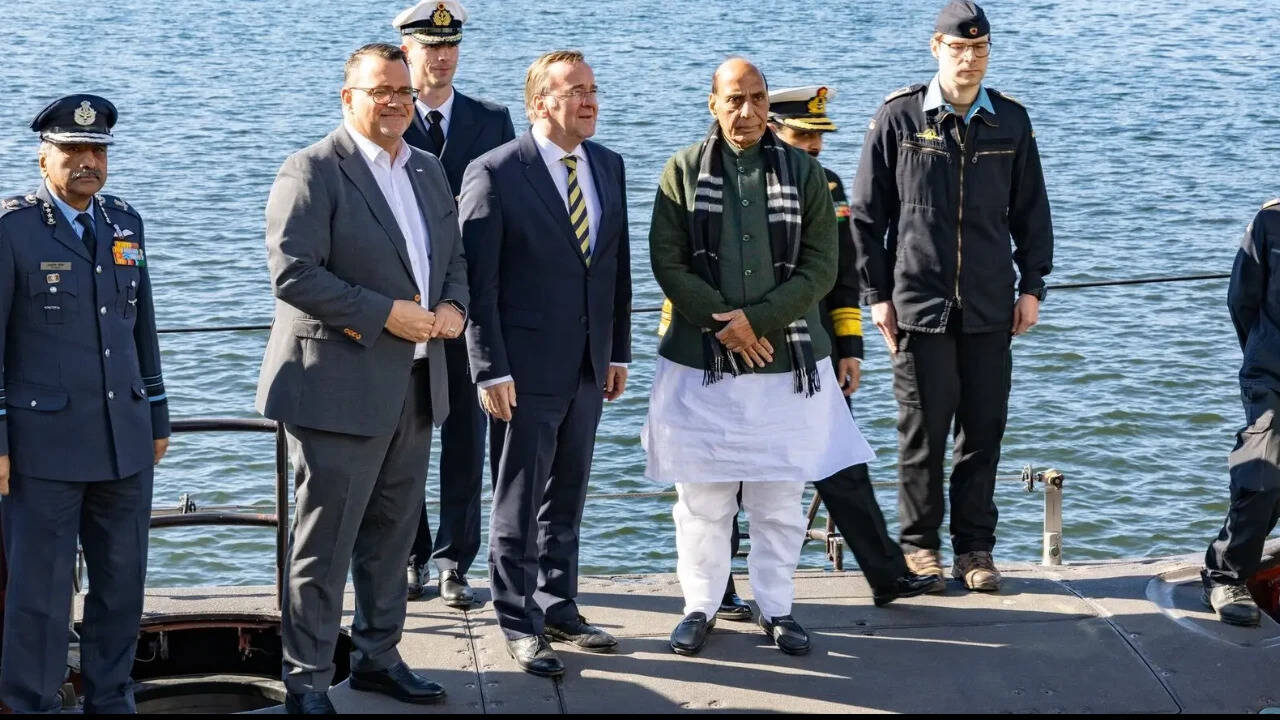
Indian Defense Minister Rajnath Singh recently visited a major submarine shipyard in Germany. This visit is a key step as India prepares to sign a massive deal for six new advanced submarines. The project, known as P-75I, aims to strengthen the Indian Navy's power under the sea. By visiting the facility, the minister showed India's serious interest in German technology for its future defense needs.
Main Impact
The biggest impact of this visit is the progress it signals for India’s naval modernization. India needs to replace its aging fleet of submarines to keep its waters safe. If the deal with Germany goes through, it will bring high-end technology to Indian shores. This move is not just about buying equipment; it is about building a long-term partnership. It also supports the goal of making more defense equipment within India rather than just importing finished products.
This development also changes the balance of power in the Indian Ocean. With new, quiet, and long-lasting submarines, the Indian Navy can monitor sea lanes more effectively. This is vital for national security and protecting trade routes that are essential for the country's economy.
Key Details
What Happened
Defense Minister Rajnath Singh traveled to Kiel, Germany, to tour the ThyssenKrupp Marine Systems (TKMS) shipyard. During his visit, he was shown the latest methods used to build modern submarines. He met with German officials and company leaders to discuss how the two countries can work together. The visit focused on the technical side of the P-75I project, which is one of India's most ambitious military programs.
The minister’s presence at the yard suggests that the talks are in an advanced stage. While other countries are also interested in this project, Germany has emerged as a top contender. The visit allowed the Indian delegation to see the production lines and the specific technology that would be shared with Indian shipyards.
Important Numbers and Facts
The P-75I project is estimated to cost over Rs 45,000 crore, which is about $5.4 billion. This makes it one of the largest defense deals in recent years. The plan is to build six conventional submarines that use Air Independent Propulsion (AIP) technology. This technology is a game-changer because it allows a submarine to stay underwater for weeks at a time without needing to surface for air. Most older submarines have to surface more often, which makes them easier for enemies to find.
The project will be carried out under a "Strategic Partnership" model. This means a foreign company will team up with an Indian company to build the submarines in India. This ensures that Indian workers and engineers learn how to handle such advanced technology.
Background and Context
India has a very long coastline and a vast area of ocean to protect. For many years, the Indian Navy has relied on older submarines from Russia and other countries. As these vessels get older, they become more expensive to fix and less effective in modern warfare. At the same time, other countries in the region are growing their naval strength, making it urgent for India to upgrade its fleet.
The P-75I project was created to fill this gap. It follows an earlier project where India built Scorpene-class submarines with help from France. However, the new project requires even more advanced features, specifically the AIP system. Germany is known for having some of the best non-nuclear submarine technology in the world, which is why this partnership is being looked at so closely.
Public or Industry Reaction
Defense experts have noted that Rajnath Singh’s visit is a strong sign of trust. In the past, Germany was sometimes hesitant to share its top military secrets, but that seems to be changing. Industry analysts believe that Germany is now very keen to win this contract, especially as they face competition from Spain. The German government has shown more support for defense exports to India recently, which makes the deal more likely to happen.
Indian industry leaders are also excited. They see this as a chance for local companies to grow. Building these submarines in India will create jobs and help local factories improve their skills. Many believe that this project will help India become more self-reliant in defense in the future.
What This Means Going Forward
The next step is for the Indian government to make a final choice between the competing bids. Once a partner is chosen, the long process of building the submarines will begin. It takes many years to build a single submarine, so the work needs to start soon to avoid any gaps in the Navy's strength. There will also be a lot of focus on "technology transfer," which means Germany must teach India how to build and maintain these systems independently.
If the deal is signed, it will likely lead to more cooperation between India and Germany in other areas of defense. This could include joint research and the development of other naval tools. For the Navy, it means they will eventually have a fleet that can stay hidden underwater for much longer, providing a strong shield against any threats.
Final Take
The visit to the German shipyard is a clear signal that India is moving fast to secure its maritime future. By focusing on advanced technology and local manufacturing, the government is trying to build a navy that is both modern and self-sufficient. This deal, if finalized, will be a major milestone in India's journey to becoming a stronger naval power on the global stage.
Frequently Asked Questions
What is the P-75I project?
It is a major Indian Navy project to build six advanced conventional submarines in India with the help of a foreign partner. The goal is to modernize the fleet with new technology.
What is Air Independent Propulsion (AIP)?
AIP is a technology that allows a submarine to stay underwater for a long time without needing to come to the surface for oxygen. This makes the submarine much harder for enemies to detect.
Why did the Defense Minister visit Germany?
He visited to see the submarine building facilities firsthand and to discuss the technical details of the P-75I deal. Germany is one of the main countries competing to work with India on this project.



