
Summary
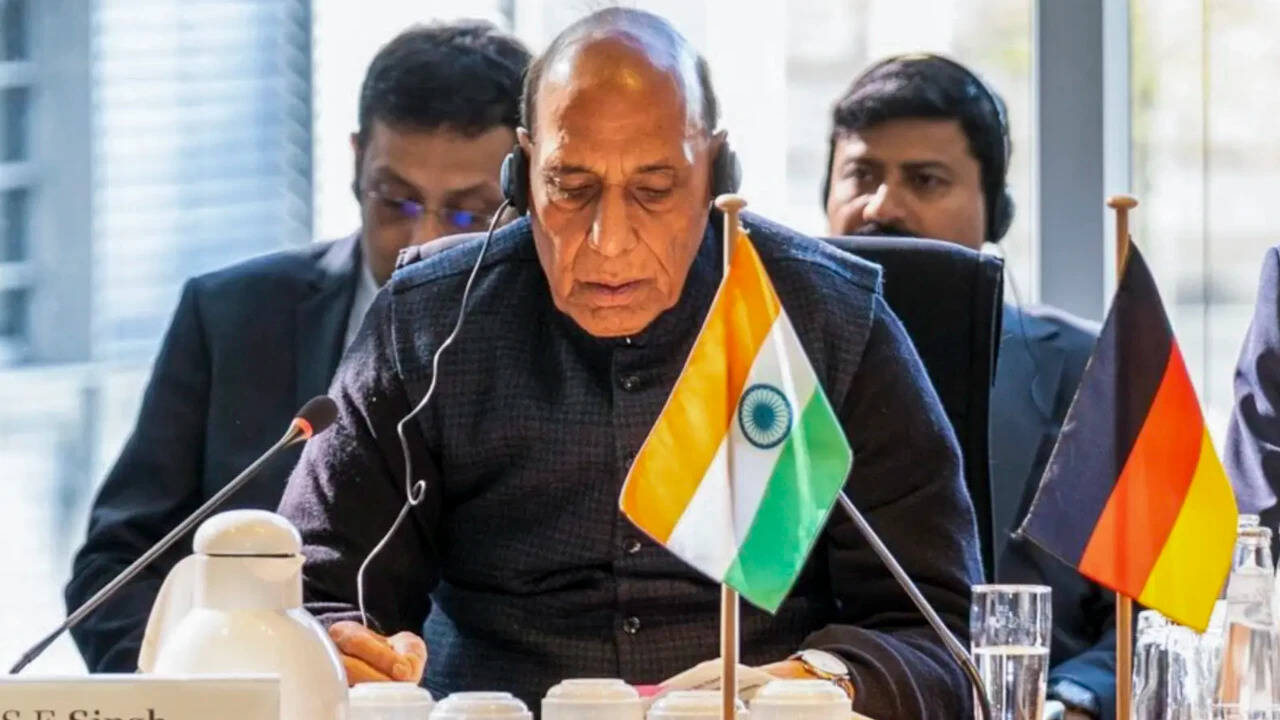
Indian Defense Minister Rajnath Singh recently traveled to Berlin to meet with German government officials and business leaders. During his visit, he invited German defense companies to move beyond simple trade and start building equipment directly in India. He emphasized a new model of partnership based on creating, developing, and innovating together. This move is part of India's larger goal to become a global leader in manufacturing and to reduce its reliance on imported military goods.
Main Impact
The primary impact of this visit is a shift in the relationship between India and Germany from a buyer-seller dynamic to a deep industrial partnership. By encouraging German firms to set up shops in India, the Indian government aims to gain access to high-end technology that was previously difficult to acquire. For Germany, this offers a chance to access a massive market and a skilled workforce. This cooperation is expected to strengthen the supply chains of both nations, making them less dependent on other global powers for critical defense needs.
Key Details
What Happened
Defense Minister Rajnath Singh held high-level talks with his German counterpart and several CEOs from major defense firms. He made it clear that India is no longer just looking to buy weapons off the shelf. Instead, he proposed that German companies set up manufacturing units and research centers on Indian soil. He highlighted that India has improved its laws to make it easier for foreign companies to invest and operate. The focus of these talks included advanced areas like maritime technology, aircraft engines, and electronic systems.
Important Numbers and Facts
India has one of the largest defense budgets in the world and has traditionally been a top importer of military hardware. To change this, the government now allows up to 74% foreign direct investment in the defense sector through an easy approval process. In some cases, 100% investment is allowed with special government permission. During the meetings, Singh pointed out that India’s defense exports have grown significantly in recent years, reaching record highs. This shows that products made in India are now meeting international quality standards.
Background and Context
For many years, India relied heavily on a few countries for its military equipment. However, global events have shown that depending on others for defense can be risky. To fix this, the Indian government started the "Make in India" and "Self-Reliant India" programs. These initiatives encourage local production to ensure the country can protect itself without outside help. Germany is a natural partner for this because it is known for its world-class engineering and high-quality manufacturing. By bringing German expertise to India, both countries can build a stronger defense network that benefits their economies and security.
Public or Industry Reaction
Industry experts have reacted positively to this invitation. Many German companies are looking for new places to expand because of rising costs in Europe. They see India as a stable place with a growing economy. Business leaders noted that India's large pool of engineers and scientists makes it an ideal place for research and development. However, some industry voices mentioned that they would like to see even more clarity on how their intellectual property and technology secrets will be protected when they share them with Indian partners. The Indian government has promised to address these concerns to build long-term trust.
What This Means Going Forward
In the coming years, we are likely to see more joint ventures between Indian and German firms. This could lead to the production of advanced submarines, tanks, and fighter jet parts within India. These projects will create thousands of high-skilled jobs for Indian youth and help train a new generation of engineers. It also means that India will slowly move from being an importer to a major exporter of defense technology. As these partnerships grow, the military ties between Berlin and New Delhi will become a central part of their overall diplomatic relationship.
Final Take
The invitation for German industry to "co-create and co-innovate" in India is a bold step toward modernizing the nation's defense capabilities. It moves the focus away from just spending money on foreign goods and places it on building local strength. If successful, this partnership will not only boost India's military power but also turn the country into a vital hub for global technology and manufacturing.
Frequently Asked Questions
Why did Rajnath Singh visit Germany?
He visited to strengthen defense ties and invite German companies to manufacture military equipment in India through joint partnerships.
What does "co-create, co-develop, and co-innovate" mean?
It means that instead of just buying finished products, India and Germany will work together from the start to design, build, and improve new technologies.
How does this benefit India?
This approach helps India gain advanced technology, creates local jobs, and reduces the country's dependence on other nations for its defense needs.



