
Summary
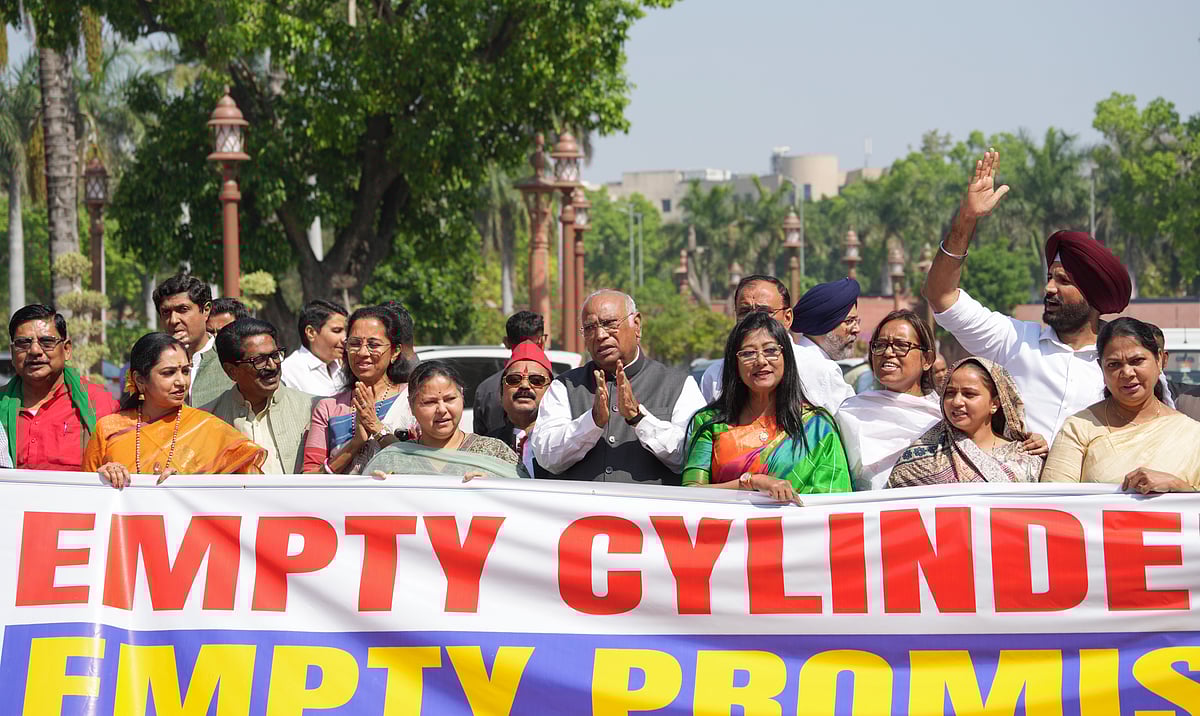
The Indian government and the main opposition party are in a heated debate over the country's fuel and gas supplies. While the government insists that there is enough fuel and prices are under control, the Congress party claims that people are struggling to find cooking gas in many areas. This disagreement follows a high-level meeting led by Prime Minister Narendra Modi to discuss how the ongoing conflict in West Asia might affect India's energy security. The situation is causing concern as the war near Iran threatens major shipping routes used for oil.
Main Impact
The conflict in West Asia has put India's energy supply chain under a microscope. The main impact of this situation is a growing divide between official statements and the experiences of everyday citizens. If fuel and gas become hard to get, it affects everything from home cooking to the cost of transporting food. The government is trying to prevent panic by lowering taxes on oil and monitoring ships. However, the opposition argues that these are only temporary fixes. They worry that once the current political season ends, prices for petrol, diesel, and gas cylinders will rise sharply, putting a heavy burden on the public.
Key Details
What Happened
On April 2, the Cabinet Committee on Security met for the second time in less than two weeks. Prime Minister Narendra Modi led the meeting to check if India has enough essential goods like fuel and fertilizer. The government wants to make sure that the war between Iran and its neighbors does not stop ships from reaching Indian ports. During the meeting, the Prime Minister told officials to give the public clear and honest information. He wants to stop rumors that could cause people to rush to petrol pumps or stores to buy more than they need.
Important Numbers and Facts
This was the second major review since March 22, showing that the government is very concerned about the crisis. To help keep prices low, the government has already cut customs duties on petroleum products. In the business sector, the supply of commercial LPG has been increased to 70% after some industries reported they were running low. Despite these efforts, reports from places like Bareilly in Uttar Pradesh show that some residents have been forced to use old kerosene stoves and lanterns because they cannot find LPG cylinders. This suggests that while the national supply might be okay, local distribution is facing problems.
Background and Context
India buys a large amount of its oil and gas from countries in West Asia. Most of these supplies travel through the Strait of Hormuz. This is a very narrow and important water path near Iran. If this path is blocked or becomes dangerous because of the war, oil ships cannot pass through easily. This would cause oil prices to go up all over the world. India is particularly sensitive to these changes because it imports more than 80% of the oil it uses. When global oil prices rise, the cost of living in India usually goes up as well.
Public or Industry Reaction
The reaction to the government's claims has been split. Leaders from the BJP, like Prahlad Joshi, say that the opposition is trying to create fear. They insist that ships are arriving safely and there is no reason to worry. They point to the tax cuts as proof that the government is looking out for the people. On the other side, Congress leaders like Karti Chidambaram say the government is hiding the truth. They argue that if things were truly normal, people would not be complaining about shortages. Other critics call the government's actions a "band-aid approach," meaning they are only fixing the problem for a short time instead of finding a long-term solution.
What This Means Going Forward
In the coming weeks, the government will need to prove that its supply chains are strong. If the conflict in West Asia gets worse, the cost of shipping and insurance for oil tankers will likely increase. This will make it harder for the government to keep fuel prices low without losing a lot of money. There is also a risk that the shortage of LPG seen in some cities could spread to other parts of the country. Observers will be watching to see if the government can maintain the current prices or if a price hike is coming soon. The focus will also remain on the Strait of Hormuz to see if oil trade remains steady.
Final Take
The fight over fuel is more than just a political argument; it is a sign of how global wars can affect local kitchens in India. While the government is working hard to show that everything is under control, the reports of shortages in some towns cannot be ignored. The true test will be whether the average person can continue to buy gas and fuel at a fair price without facing long lines or empty shelves. For now, the country remains on high alert as the situation in West Asia continues to change every day.
Frequently Asked Questions
Why is the Iran war affecting fuel in India?
India gets most of its oil from the Middle East. The war is happening near the Strait of Hormuz, which is the main route for oil ships. If this route is blocked, it becomes harder and more expensive to bring fuel to India.
Is there a shortage of LPG gas cylinders?
The government says there is enough stock, but some areas have reported local shortages. In some cities, people have had to wait longer for deliveries or use alternative fuels like kerosene for cooking.
Will fuel prices go up soon?
The government has cut taxes to keep prices steady for now. However, the opposition and some experts worry that prices might increase after the current election cycle or if the global cost of oil continues to rise due to the war.

