Summary
The Congress party has raised serious concerns about India's current foreign policy following new developments in Pakistan. On Saturday, April 11, 2026, the opposition party questioned why Pakistan is playing a major role in international peace talks. This comes despite the Indian government's efforts to isolate Pakistan after a terror attack in Pahalgam last year. The Congress party suggested that the Prime Minister’s personal style of diplomacy has not delivered the expected results for the country.
Main Impact
The main issue centers on Pakistan’s sudden rise as a middleman between the United States and Iran. For months, India has worked hard to convince the world to stop dealing with Pakistan because of its links to terrorism. However, the United States has now chosen Islamabad as the location for high-level peace talks. This shift suggests that India’s plan to keep Pakistan away from global politics is not working as intended. It also shows that Pakistan is regaining influence in the region, which could change how other countries view India's leadership in South Asia.
Key Details
What Happened
United States Vice President J.D. Vance arrived in Islamabad to meet with a group of officials from Iran. This meeting is led by Mohammad Bagher Ghalibaf, the Speaker of the Iranian Parliament. The goal of these talks is to find a way to end the ongoing war in West Asia. The Congress party, led by Jairam Ramesh, pointed out that this meeting is a sign of diplomatic failure for India. Ramesh argued that while India tried to push Pakistan away, the U.S. has brought them back into a position of power.
Important Numbers and Facts
The current situation is tied to several key events and figures. The war in West Asia began on February 28, when the U.S. and Israel launched military actions against Iran. This conflict has caused a major crisis in the energy market. About 20 percent of the world’s oil and gas travels through the Strait of Hormuz. Because this route is currently closed, fuel prices have gone up everywhere. The peace talks in Islamabad are happening during a short two-week break in the fighting. India’s recent push to isolate Pakistan started after the Pahalgam terror attack in April 2025.
Background and Context
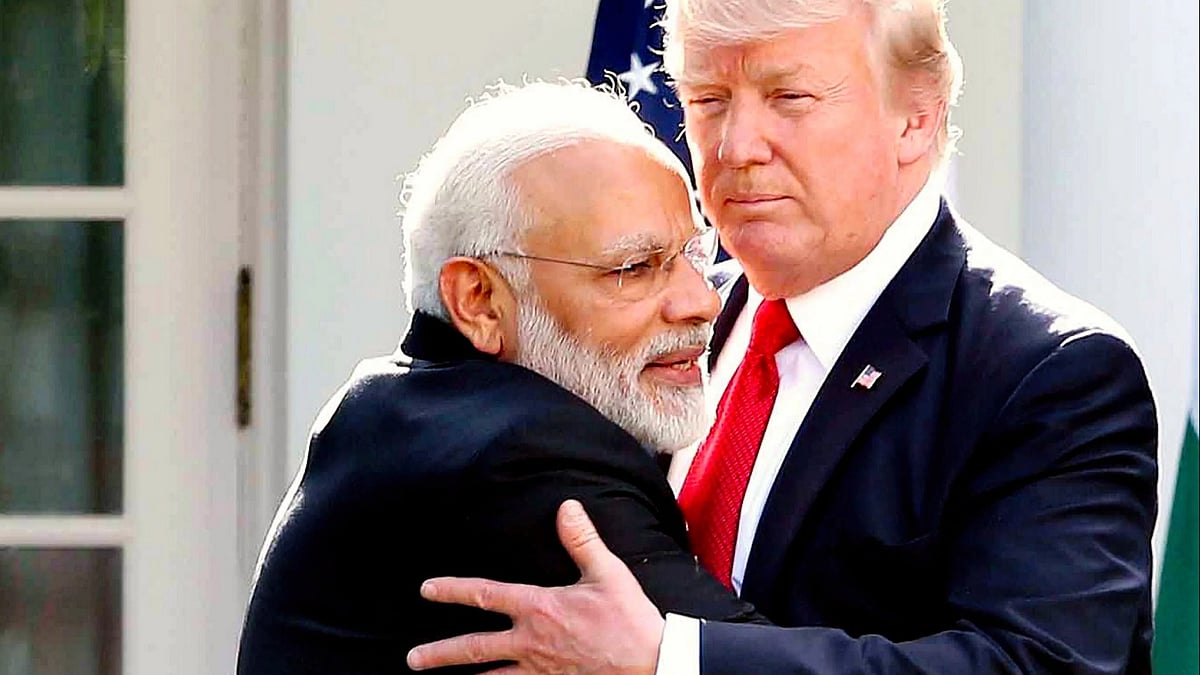
To understand why this matters, we have to look at how India manages its relationships with other countries. Prime Minister Narendra Modi often uses a personal approach, which critics call "huglomacy" because of his habit of hugging world leaders. The government has also used the term "Vishwaguru," which means a teacher or leader to the whole world. The Congress party is now using these terms to mock the government. They argue that these friendly gestures have not stopped the U.S. from working with Pakistan.
In the past, India has had success in making Pakistan look bad on the world stage. After the 2008 terror attacks in Mumbai, the government at that time managed to get many countries to stop supporting Pakistan. The Congress party says the current government has failed to do the same, even after holding large events like "Howdy Modi" and "Namaste Trump" to show a close bond with U.S. leaders.
Public or Industry Reaction
Jairam Ramesh expressed his views openly on social media. He stated that while everyone wants peace between the U.S. and Iran, the way it is happening is bad for India. He claimed that India gave up too much in a recent trade deal with the U.S. and got very little in return. According to Ramesh, India has lost its "leverage," which means it no longer has the power to influence what the U.S. does in this region. Other political observers are also watching closely to see if this peace process will last or if it will be ruined by more fighting in the Middle East.
What This Means Going Forward
The next few weeks will be very important for global peace and for India's reputation. If the talks in Islamabad succeed, Pakistan will get credit for helping to stop a major war. This would make it much harder for India to call for Pakistan’s isolation in the future. India may need to rethink how it talks to the United States. The government might face more pressure at home to explain why its close friendship with American leaders did not prevent this situation. There is also the risk that if the war starts again, oil prices will stay high, which will hurt the Indian economy and make daily life more expensive for regular people.
Final Take
The meeting in Islamabad is a reminder that international politics can change very quickly. While India wants to be seen as a global leader, the actions of other powerful nations show that interests often come before friendships. The government now faces the difficult task of proving that its diplomatic strategy is still effective despite these recent setbacks.
Frequently Asked Questions
Why is the U.S. meeting Iran in Pakistan?
The U.S. and Iran are using Pakistan as a neutral ground to talk about ending their war. Pakistan is acting as a mediator to help both sides reach an agreement during a temporary break in the fighting.
What was the Pahalgam attack?
The Pahalgam attack happened in April 2025. It was a terror attack that led India to start a major diplomatic campaign to stop other countries from working with or supporting Pakistan.
How does the war in West Asia affect India?
The war has closed the Strait of Hormuz, which is a vital path for oil ships. This has caused oil prices to rise in India, making petrol, diesel, and many other goods more expensive for everyone.