
Summary
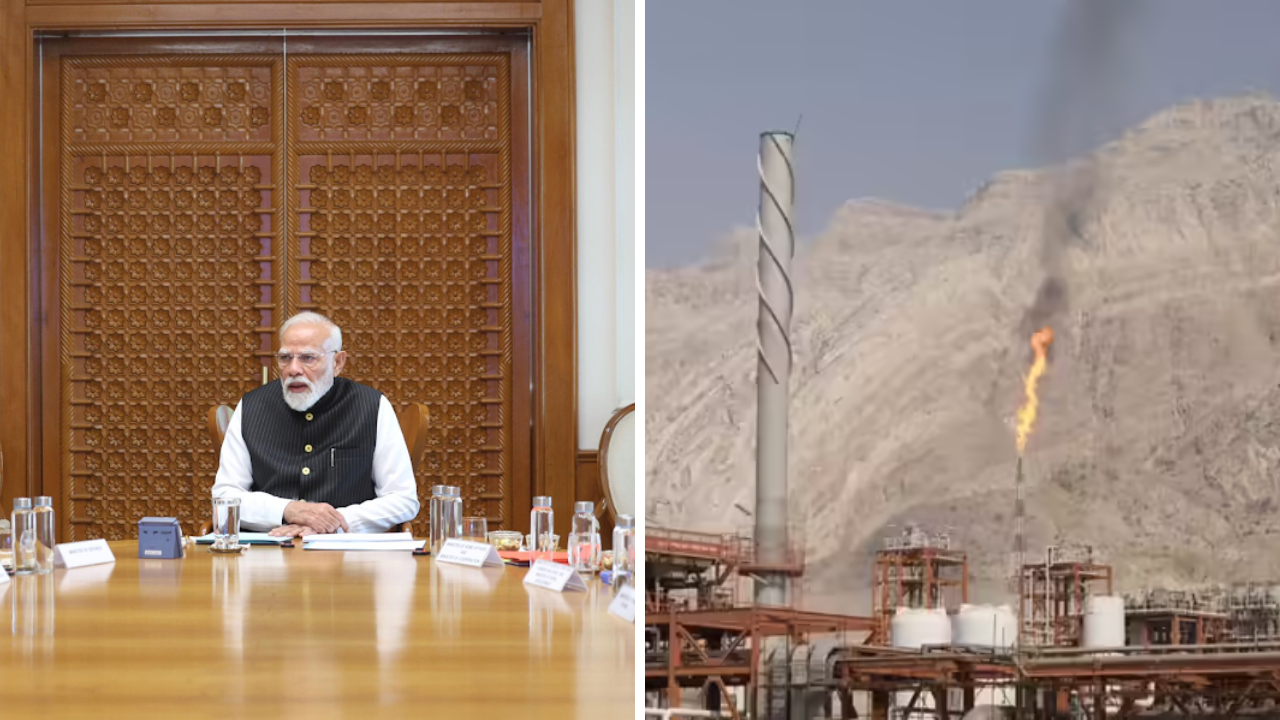
Prime Minister Narendra Modi recently led a high-level meeting to review India’s energy and fertilizer supplies. This review comes at a time when conflict in the Middle East is making global markets nervous. The government wants to ensure that the country has enough fuel and farming supplies to avoid any shortages. These global tensions are also causing foreign investors to pull money out of the Indian stock market as they look for safer places to keep their wealth.
Main Impact
The primary concern for India is the stability of energy prices and the supply of essential goods. Because India imports a large portion of its oil and gas, any fighting near major shipping routes can lead to higher costs at the pump. This situation also affects the cost of fertilizers, which are vital for Indian farmers. If these costs go up, it could lead to higher food prices for everyone. Furthermore, the security situation has changed as military reports suggest that Iranian missiles now have the range to reach parts of Europe, adding more stress to the global political situation.
Key Details
What Happened
The Prime Minister met with top officials to look at India’s current stocks of oil, gas, and fertilizers. The goal was to prepare for any possible disruptions in the Middle East. At the same time, the Israel Defense Forces (IDF) issued a warning. They stated that Iran’s missile technology has improved enough to threaten European countries. This news has made international leaders worried about a wider war. In the financial world, these events have caused a shift in how people spend and invest their money.
Important Numbers and Facts
During the month of March, foreign investors withdrew a significant amount of money from Indian stocks. This happened because the US dollar became stronger and the Indian rupee lost some of its value. When the rupee is weak, it becomes more expensive for India to buy oil from other countries. The government is now keeping a close eye on the "Strategic Petroleum Reserves," which are large tanks of oil kept underground for emergencies. Ensuring these reserves are full is a top priority for the administration right now.
Background and Context
To understand why this matters, we have to look at how India gets its energy. Most of the oil used for cars, trucks, and factories comes from the Middle East. When there is a threat of war in that region, the ships that carry this oil might be blocked or attacked. This makes the price of oil go up everywhere in the world. India is also a country that relies heavily on agriculture. Farmers need fertilizers to grow crops like rice and wheat. Many of the chemicals used to make these fertilizers also come from areas currently facing tension. If the supply of these chemicals stops, food production could slow down, making life harder for the average person.
Public or Industry Reaction
Business leaders and stock market experts are watching the situation closely. Many investors are worried that if the conflict grows, the global economy will slow down. This is why many have decided to sell their shares in Indian companies for now. They prefer to hold onto cash or gold until the situation becomes clearer. On the other hand, the Indian government is trying to calm the public. Officials have stated that they are taking all necessary steps to keep prices stable and ensure that there is no shortage of petrol or diesel at gas stations.
What This Means Going Forward
In the coming weeks, the government will likely continue to monitor the prices of crude oil very carefully. If prices stay high, the government might have to find new ways to help citizens manage the cost of living. There is also a focus on finding other countries to buy oil from so that India does not rely too much on just one region. On the military side, countries in Europe may start to change their defense plans now that they know they are within range of Iranian missiles. This could lead to more spending on defense systems across the world.
Final Take
India is taking a proactive approach to protect its economy from global shocks. By checking energy and fertilizer stocks now, the government is trying to prevent a crisis before it starts. While the stock market is currently seeing some money leave, the focus remains on keeping the basic needs of the country met. The situation in the Middle East remains the biggest factor that will decide if prices go up or stay the same in the near future.
Frequently Asked Questions
Why is the government worried about fertilizers?
Fertilizers are necessary for growing food. If India cannot get enough fertilizer or if the price becomes too high, farmers will struggle to grow crops, which can lead to higher food prices for everyone.
How do Middle East tensions affect the Indian Rupee?
When there is trouble in the world, investors often move their money into the US dollar because it is seen as safe. This makes the dollar stronger and the Indian rupee weaker, making imports like oil more expensive.
What is the IDF warning about Iranian missiles?
The Israel Defense Forces (IDF) warned that Iran now has missiles that can travel long distances. They claimed that these missiles are now capable of reaching countries in Europe, not just targets in the Middle East.



