
Summary
International observers from 22 different countries recently visited India to watch the assembly elections. These delegates traveled to Kerala, Assam, and Puducherry to see how the voting process works on a large scale. The Election Commission of India hosted 38 officials to provide a clear look at the country's democratic systems. The visitors were impressed by the organization and the high level of participation from the public. This visit highlights India's role as a leader in managing fair and open elections.
Main Impact
The presence of international observers has a significant impact on how the world views India's political system. By opening its doors to foreign delegates, the Election Commission shows that it is confident in its methods. This transparency helps to stop rumors or doubts about the fairness of the vote. Furthermore, it allows officials from other countries to learn new ways to handle their own elections. The success of this visit strengthens India's ties with other nations and promotes the idea of a global democratic community. It proves that even with a massive population, a country can hold an organized and peaceful election.
Key Details
What Happened
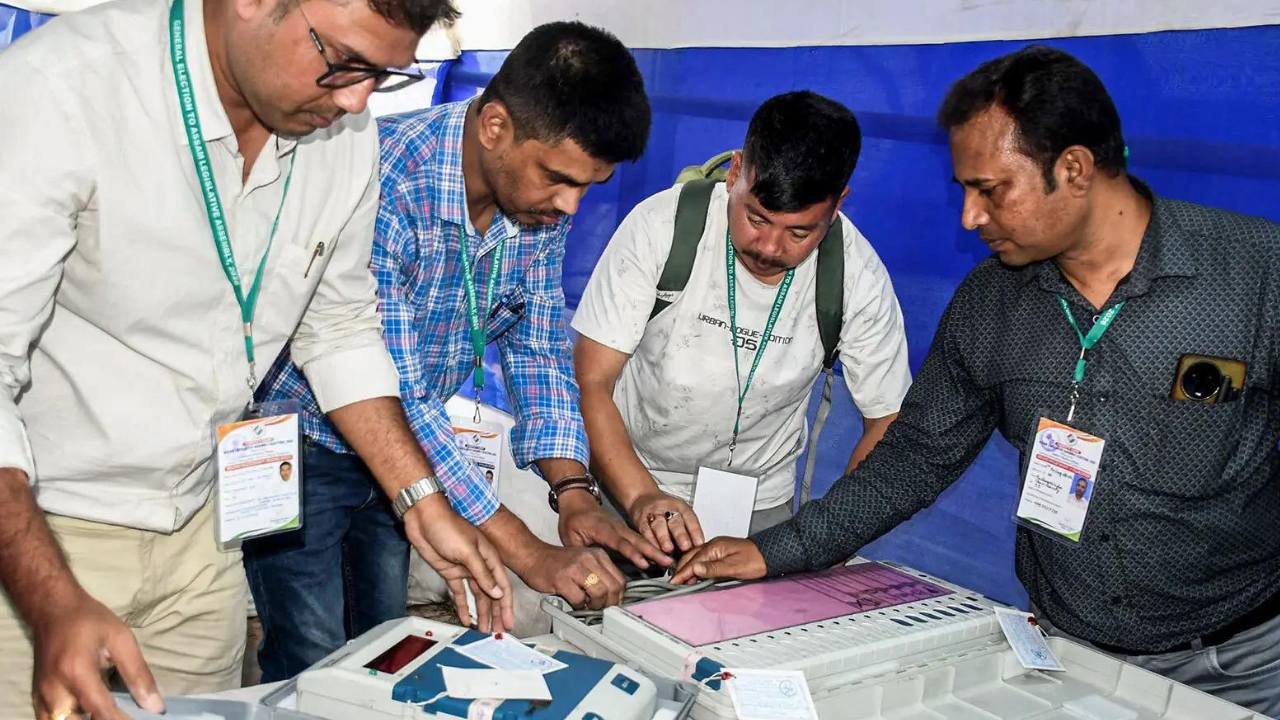
The Election Commission of India (ECI) organized a special program for foreign visitors called the International Election Visitors Programme. These 38 delegates were taken to various polling stations in three different parts of the country. They observed the entire process, from the moment a voter enters the booth to the time the vote is recorded. They also met with local election officials to ask questions about the rules and the technology used. The goal was to show the world that India's elections are not just big, but also very well-managed and honest.
Important Numbers and Facts
The group consisted of 38 delegates representing 22 nations from across the globe. The observation took place during the assembly elections in Kerala, Assam, and the union territory of Puducherry. These areas were chosen because they offer a mix of different cultures and geographic challenges. For example, Assam has many hilly areas, while Kerala has a very high number of educated voters and active political participation. The delegates saw firsthand how millions of people can vote in a single day without major problems.
Background and Context
India is often called the world's largest democracy because of its massive population. Every few years, hundreds of millions of people go to the polls to choose their leaders. The Election Commission of India is the independent body responsible for making sure this happens without any problems. They have to manage everything from security to the electronic voting machines. In recent years, the commission has worked hard to make voting more inclusive. This means they make sure that elderly people, people with disabilities, and those living in very remote places can all cast their votes easily. Inviting foreign observers is a way to share these improvements with the rest of the world.
Public or Industry Reaction
The reaction from the international delegates was very positive. Many of them described the election as a true festival of democracy. They were amazed by the high level of energy and interest among the voters. The delegates praised the careful planning of the Election Commission. They noticed that the polling stations were clean, organized, and easy for people to navigate. Some observers were particularly impressed by how smoothly everything ran, noting that even with thousands of people coming to vote, there was very little confusion. They also liked the special features that helped people with physical challenges vote more easily.
What This Means Going Forward
Looking ahead, this successful visit means that India will likely continue to host foreign observers in future elections. It builds a bridge between India and other nations that want to improve their own voting systems. We might see more countries asking to use India's electronic voting technology or seeking advice on how to manage large crowds. For the people of India, it provides extra assurance that their voting system is respected and watched by the global community. The Election Commission will likely use the feedback from these delegates to make the process even better in the next round of polls. This helps keep the public's trust in the government and the voting process strong.
Final Take
The visit of these 38 international delegates proves that India's election system is a model for other countries. It shows that with the right planning and technology, even the largest elections can be fair, peaceful, and easy for everyone to join. This international recognition confirms that India's democratic process is both strong and transparent.
Frequently Asked Questions
Why did foreign delegates visit India during the elections?
They visited to observe how India manages its large-scale voting process. The goal was to learn about the technology, planning, and fairness of the Indian electoral system.
Which states did the international observers visit?
The delegates visited polling stations in Kerala, Assam, and the union territory of Puducherry during their recent assembly elections.
What was the main feedback from the visitors?
The visitors were very impressed. They called the elections a festival of democracy and praised the Election Commission for its careful planning and the smooth way the voting was handled.



