
Summary
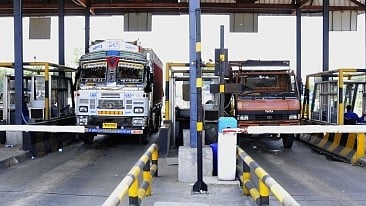
The Indian government has officially moved to a digital-only system for collecting tolls on national highways. Starting from April 10, all toll booths now require drivers to pay using electronic methods like FASTag or the Unified Payments Interface (UPI). This change is designed to stop long lines at toll plazas and make the payment process more honest and clear. By removing cash from the equation, the government hopes to make travel faster and more efficient for everyone on the road.
Main Impact
The biggest change for drivers is the total removal of cash as a standard payment method at most toll plazas. This shift means that vehicles can move through gates without waiting for a worker to count change or print a paper receipt. The use of digital tools ensures that every transaction is recorded instantly in a central system. This reduces the chance of money going missing and helps the government track exactly how much revenue is being collected from the highway network. For the average traveler, this means shorter wait times and a smoother journey across state lines.
Key Details
What Happened
The Ministry of Road Transport and Highways put this new rule into effect across the country this week. While most of India has adopted the digital-only rule, a few regions are waiting to start. States like Tamil Nadu, Kerala, Assam, and West Bengal, along with Puducherry, have delayed the rollout. This is because these areas are currently following the Model Code of Conduct due to upcoming elections. In these specific places, the old rules will stay for a little longer to ensure they follow election laws. Once the elections are over, these states are expected to join the rest of the country in the digital-only system.
Important Numbers and Facts
The transition to digital payments is already very far along. Currently, about 98 percent of all vehicles on national highways use FASTag. This system uses radio-frequency identification, or RFID, which is a small chip on a sticker placed on the car's windshield. When a car passes a sensor, the toll is automatically taken from a linked bank account. For those who do not have a FASTag or have an empty account, the penalty is high. These drivers must pay double the normal toll price if they try to pay with cash. Additionally, the government has updated the cost of the FASTag annual pass. As of April 1, the price for this pass rose from 3,000 rupees to 3,075 rupees. This pass is very popular, with over 50 lakh people using it to make more than 26 crore trips in just the last six months.
Background and Context
For many years, toll plazas in India were known for having very long lines. Drivers often had to wait for 10 to 20 minutes just to pay a small fee. This caused a lot of wasted fuel and increased pollution because engines were left running while cars sat still. To fix this, the government introduced FASTag several years ago. The goal was to eventually move away from cash entirely. Digital payments are part of a larger plan to modernize India’s transport system. By using technology, the National Highways Authority of India (NHAI) can manage traffic better and plan for new roads based on real data about where people are traveling.
Public or Industry Reaction
Most regular commuters have welcomed the move because it saves them time every day. Business owners who run trucking companies also prefer the digital system because it allows them to track their fleet's spending more easily. However, some people are concerned about the double-fee penalty for cash users. They argue that travelers from rural areas or older drivers might find it hard to set up digital accounts. In response, the government has made UPI an option at toll booths. Since many people in India already use UPI on their phones for shopping, it serves as a helpful backup for those who might have trouble with their FASTag stickers.
What This Means Going Forward
This move is just one step toward a future where drivers may not have to stop at all. The government is already looking into satellite-based tolling. In that system, GPS would track a vehicle's location and charge the driver based on the exact distance they drove on the highway. For now, the focus is on making sure the current digital system works perfectly. The NHAI will continue to monitor traffic flow and look for ways to make the technology even faster. Drivers are encouraged to keep their FASTag accounts topped up to avoid the heavy fines that come with cash payments.
Final Take
The shift to digital-only tolling is a major milestone for India's infrastructure. It shows a commitment to using modern technology to solve old problems like traffic jams and lack of transparency. While there is a small learning curve for some and a slight increase in pass fees, the overall benefits of faster travel and better-managed roads are clear. As the remaining states join the system after their elections, the entire national highway network will become a more efficient part of the country's economy.
Frequently Asked Questions
Can I still pay with cash at a toll plaza?
While you can technically still pay with cash, it is now discouraged. If you enter a toll lane without a valid FASTag, you will be charged double the normal fee as a penalty.
What is the new price for the FASTag annual pass?
The annual pass fee has been increased to 3,075 rupees. This new rate started on April 1, 2026, and allows for unlimited travel or up to 200 trips depending on the specific pass rules.
Why is the digital system not active in every state yet?
A few states like West Bengal and Tamil Nadu have delayed the start of the digital-only rule. This is due to election rules that prevent major policy changes during the voting period. They will switch over once the elections are finished.

