
Summary
India is moving toward a major change in how it counts its population. Home Minister Amit Shah recently introduced two new mascots, named Pragati and Vikas, for the country’s first-ever digital census. This massive project, scheduled for 2027, will replace traditional paper forms with modern digital tools. The goal is to make the data collection process faster, more accurate, and easier for every citizen to participate in.
Main Impact
The shift to a digital census is a significant step for India’s administration. By moving away from paper, the government can collect and process information much quicker than before. One of the biggest changes is the launch of a self-enumeration portal. This tool allows people to log in and submit their own family details online. This change reduces the need for government workers to visit every home multiple times and helps prevent mistakes that often happen when writing things down by hand.
Key Details
What Happened
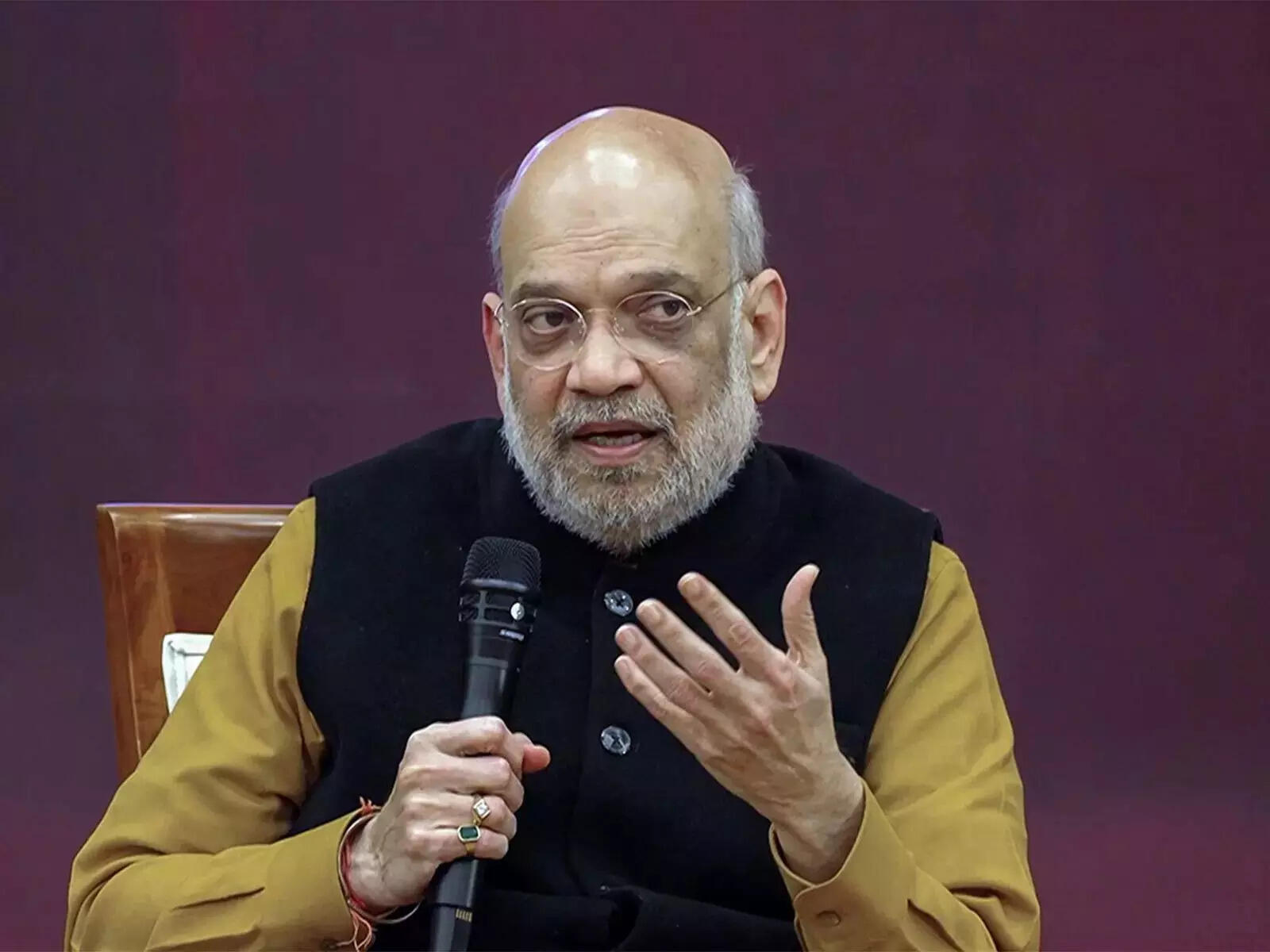
During a recent event, Home Minister Amit Shah revealed the official mascots for the 2027 Census. The mascots, Pragati and Vikas, represent progress and development. Their purpose is to make the census feel more familiar and less intimidating to the general public. Along with these characters, the government launched four specific digital tools designed to handle the huge amount of data that will be collected from over a billion people. These tools are built to ensure that the information remains secure and organized.
Important Numbers and Facts
The upcoming census will be available in 16 different languages. This is important because India has many regional languages, and the government wants to make sure everyone can understand the questions. The exercise is expected to begin in 2027. It will be the first time in India's history that the census is conducted entirely through mobile apps and web portals. In previous years, hundreds of millions of paper forms were printed, transported, and stored, which was a very slow and expensive process.
Background and Context
The census is a process where the government counts every person living in the country. It also collects details about where people live, what work they do, and what facilities they have in their homes. This information is used to plan for the future. For example, the government uses census data to decide where to build new schools, hospitals, and roads. It also helps in deciding how much money different states should receive for development.
India usually conducts a census every ten years. The last one was completed in 2011. The next one was supposed to happen in 2021, but it was delayed because of the COVID-19 pandemic. Because of this delay, the 2027 digital census is even more important. The government needs updated numbers to make sure its current programs and services are reaching the right people.
Public or Industry Reaction
Many experts have welcomed the move to a digital system. They believe that using technology will lead to much better data quality. In the past, it often took several years for the government to release the final results of a census. With digital tools, the data can be analyzed almost immediately. This means the government can react faster to changes in the population. However, some people have raised questions about digital literacy. Since not everyone in India is comfortable using the internet, the government will still send trained workers with tablets to help those who cannot fill out the forms themselves.
What This Means Going Forward
As India prepares for 2027, the focus will be on training thousands of workers to use the new digital apps. The government will also need to run large awareness campaigns so that people know how to use the self-enumeration portal. The success of this project depends on how well the technology works in areas with poor internet connections. If successful, this digital approach will set a new standard for how large countries manage their national data. It will also make it easier for the government to update records in the future without waiting another ten years.
Final Take
The introduction of Pragati and Vikas marks the start of a new era for record-keeping in India. By using digital tools and offering the census in 16 languages, the government is trying to make the process more inclusive and efficient. While the move from paper to screen is a big challenge, it is a necessary step to ensure that the country’s planning is based on the most accurate and recent information available.
Frequently Asked Questions
What are the names of the new census mascots?
The two mascots are named Pragati and Vikas. They were introduced to represent progress and development for the 2027 digital census.
Can I fill out my census information online?
Yes, the government is launching a self-enumeration portal. This will allow citizens to log in and submit their household information directly through the internet.
Why is the census being done digitally this time?
A digital census is faster, more accurate, and more environmentally friendly than using paper. It allows the government to process data quickly and reduces the chance of human error during data entry.



