
Summary
India is preparing for a major change in how its political map is drawn. This process, known as delimitation, involves redrawing the boundaries of voting districts for the Lok Sabha and state assemblies. While the goal is to ensure that every citizen's vote has equal weight, the move has sparked a heated debate across the country. The main concern is that states with slower population growth might lose their political influence to states with much larger populations.
Main Impact
The most significant impact of the upcoming delimitation will be a massive shift in political power. Because the number of seats in Parliament is based on population, states in Northern India, like Uttar Pradesh and Bihar, are expected to gain a large number of new seats. In contrast, Southern states like Kerala and Tamil Nadu, which have successfully managed their population growth, may see their share of power shrink. This has created a divide between different regions of the country, with some feeling they are being punished for their social and economic progress.
Key Details
What Happened
For many years, the number of seats in India's Parliament was frozen based on the 1971 census. This was done to encourage states to promote family planning without fearing they would lose political power. However, that freeze is set to end soon. The government plans to use new census data to decide how many representatives each state should have. This process is also closely linked to the new law that reserves 33 percent of seats for women, as that reservation can only be fully put into place after the new boundaries are drawn.
Important Numbers and Facts
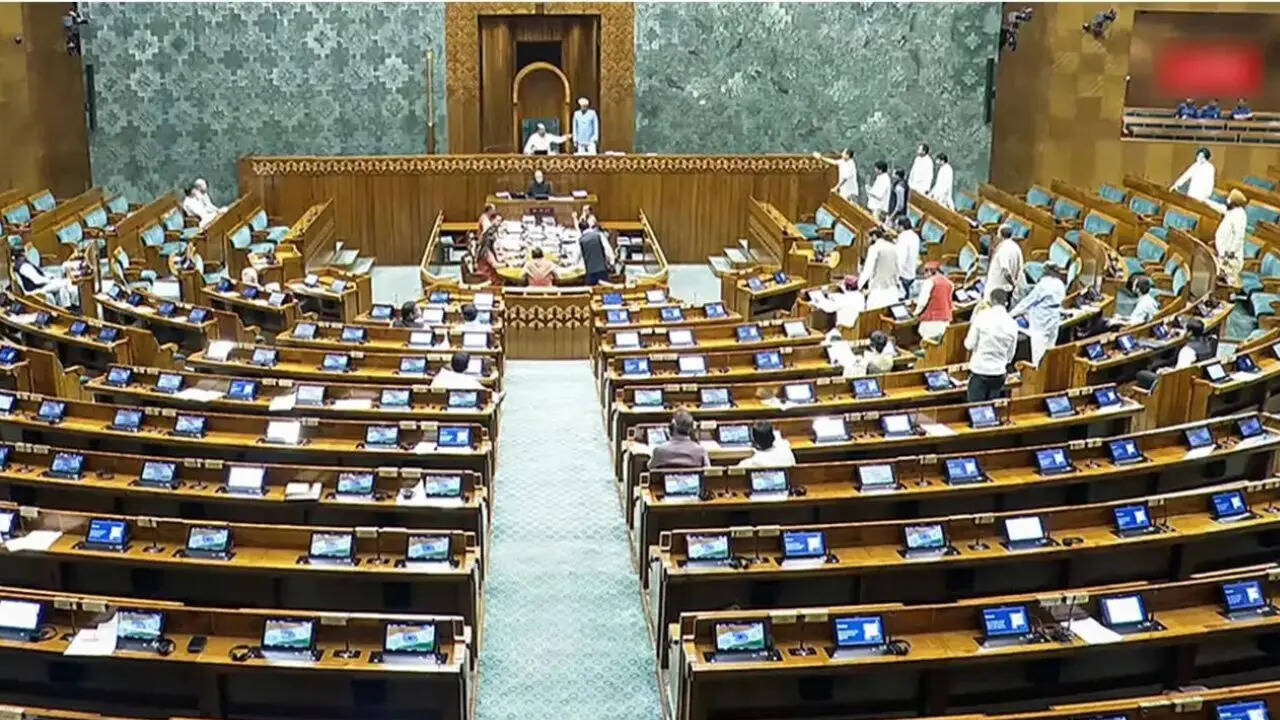
Currently, the Lok Sabha has 543 seats. Experts suggest that after the delimitation process, this number could rise significantly, possibly to 848 or more. The new Parliament building has already been designed to hold many more members than the old one. Based on current population trends, it is estimated that Northern states could gain over 30 seats each, while some Southern states might only gain a few or even stay the same. This creates a huge gap in how much say each region has in making national laws.
Background and Context
The idea behind delimitation is "one person, one vote." In a fair democracy, every member of Parliament (MP) should represent roughly the same number of people. Over the last 50 years, India's population has grown unevenly. Some states have seen their populations explode, while others have seen much slower growth due to better education and healthcare. If the boundaries are not redrawn, an MP in a high-population state might represent three million people, while an MP in another state represents only one million. This makes the voting power of people in different states unequal.
Public or Industry Reaction
Political leaders from Southern India have expressed strong concerns. They argue that they followed national goals by improving healthcare and education, which led to lower birth rates. They feel that losing seats in Parliament is an unfair reward for their success. On the other hand, leaders from more populous states argue that the current system ignores millions of their citizens who deserve equal representation. Legal experts and political scientists are now looking for a middle ground that balances fair representation with the need to respect the progress made by certain states.
What This Means Going Forward
The government faces a difficult task in the coming years. It must find a way to redraw the map without making any region feel ignored. There are suggestions to change how the Rajya Sabha, the upper house of Parliament, works to give more protection to smaller states. Others suggest using a formula that considers more than just population, such as economic contribution or social development markers. The next few years will involve intense negotiations between the central government and state leaders to ensure the process is seen as fair by everyone.
Final Take
Delimitation is a necessary step for a healthy democracy, but in a country as diverse as India, it is a sensitive issue. The challenge is to ensure that the "one person, one vote" rule does not lead to a situation where a few large states decide the fate of the entire nation. Finding a balance between population-based representation and regional fairness will be the ultimate test for India's political system.
Frequently Asked Questions
What is delimitation?
Delimitation is the process of redrawing the boundaries of parliamentary and assembly seats to make sure each seat has a similar number of voters based on the latest population data.
Why are Southern states worried about this process?
Southern states have controlled their population growth better than Northern states. They fear that a population-based seat count will give Northern states too much power and reduce the South's influence in national politics.
When will the new seats be added?
The process is expected to begin after the next census is completed. It is also a requirement before the new 33 percent reservation for women in Parliament can be implemented.



