
Summary
India is preparing for a major change in how its political seats are divided across the country. This process, known as delimitation, involves redrawing the boundaries of parliamentary constituencies based on the latest population data. While the government has promised that southern states like Tamil Nadu and Andhra Pradesh will not lose out, many people are worried. The main concern is that states with slower population growth might lose their political influence compared to states in the north where the population has grown much faster.
Main Impact
The biggest impact of this change is a potential shift in political power. For decades, southern states have followed government advice to control population growth. However, because parliamentary seats are based on the number of people living in an area, these states now fear they will have fewer representatives in proportion to the rest of the country. Even if the total number of seats for the south goes up, their percentage of the total Parliament could drop. This means the south might have less say in national laws and how government money is spent.
Key Details
What Happened
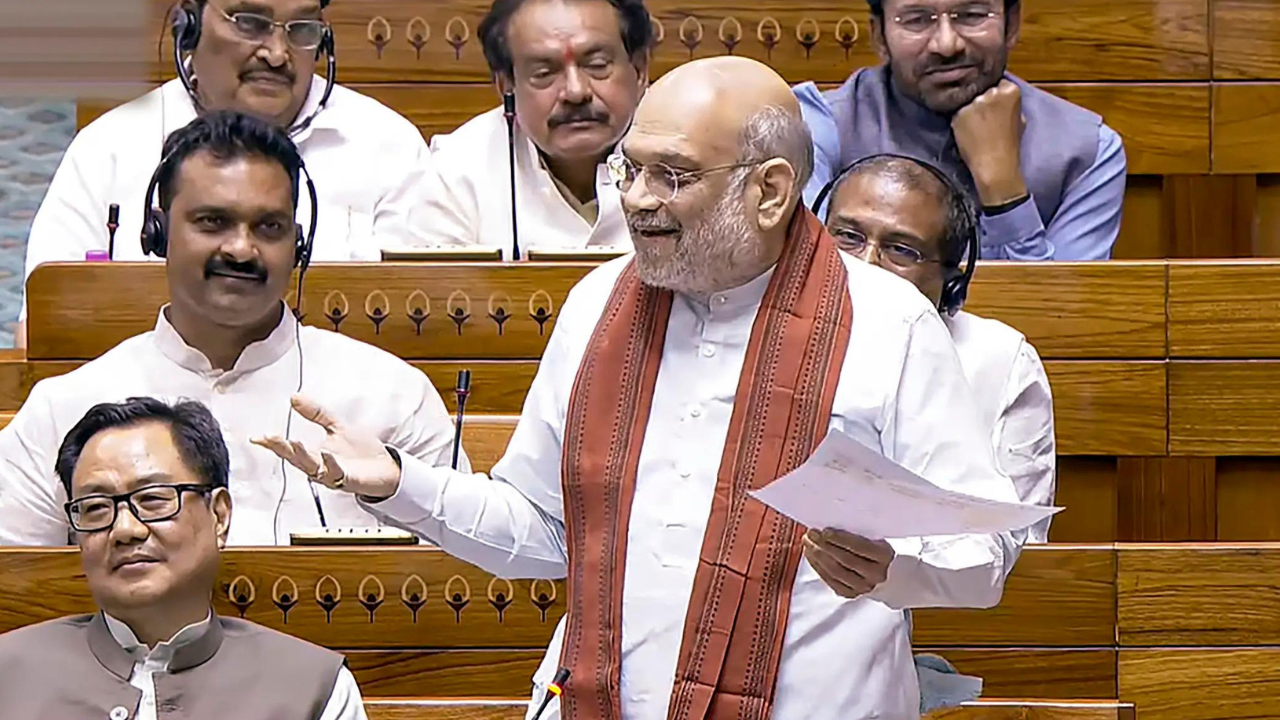
The discussion about redrawing seats gained speed following the passage of the Women’s Reservation Bill. This bill requires a certain number of seats to be set aside for women, but it can only happen after a new census and the delimitation process are finished. Prime Minister Narendra Modi and Home Minister Amit Shah have spoken in Parliament to calm these fears. They stated that the south would not face any injustice. They suggested that the total number of seats in the Lok Sabha would increase significantly, which would allow every state to have more members than they do now.
Important Numbers and Facts
Current data suggests that the total number of seats in the Lok Sabha could rise from 543 to over 800. Under this plan, states like Tamil Nadu, Karnataka, Andhra Pradesh, Telangana, and Kerala would all see their seat counts go up. For example, a state that currently has 39 seats might see that number jump to 50 or more. However, the math shows a different side of the story. While the south gets more seats, northern states like Uttar Pradesh and Bihar would grow even more. This would result in the southern states holding a smaller share of the total Parliament than they do today. Experts point out that the southern share of the population has dropped from about 25 percent in the 1970s to around 18 percent today.
Background and Context
To understand why this is happening, we have to look back at India's history. In 1976, the government decided to freeze the number of seats in Parliament based on the 1971 Census. This was done to make sure that states that successfully controlled their population growth were not punished by losing political power. This freeze was later extended until 2026. Now that the deadline is approaching, the government must decide how to update the numbers. The southern states have been very successful in education, healthcare, and family planning. Because of this success, their population has not grown as fast as the north. Now, they feel that the rules of democracy—where more people means more seats—are working against them.
Public or Industry Reaction
Leaders from southern political parties have expressed strong concerns. They argue that the south contributes a large portion of India’s taxes and economic growth. They feel it is unfair for their political voice to be weakened just because they followed national goals for population control. Some leaders have called for a new way to calculate seats that considers economic performance or social development, not just population. On the other hand, the central government maintains that the process will be fair and that the increase in total seats will ensure that no region feels left behind. They emphasize that a larger Parliament will lead to better representation for everyone.
What This Means Going Forward
The next few years will be critical for Indian politics. The government will need to conduct a national census, which was delayed previously. After the census, a Delimitation Commission will be formed to decide the new boundaries. The challenge will be to find a balance that respects the "one person, one vote" rule while also protecting the interests of states that have performed well in social sectors. If the southern states feel ignored, it could lead to tension between the state governments and the central government. There may be discussions about changing the formula for how seats are given to ensure that the south keeps a fair amount of influence.
Final Take
The math of delimitation is about more than just numbers; it is about the balance of power in a diverse nation. While the government promises growth for all, the southern states are watching closely to ensure their progress does not lead to political loss. The way India handles this shift will determine how united and fair the country's political system feels to all its citizens in the coming decades.
Frequently Asked Questions
What is delimitation?
Delimitation is the process of redrawing the boundaries of parliamentary and assembly seats to make sure each seat represents a similar number of people based on the latest census data.
Why are southern states worried about this process?
Southern states are worried because their population has grown more slowly than northern states. They fear that a population-based seat count will give them a smaller percentage of power in Parliament.
When will the new seat changes take effect?
The changes are expected to happen after the next census is completed and the delimitation exercise is finished, which is likely to be after 2026.



