
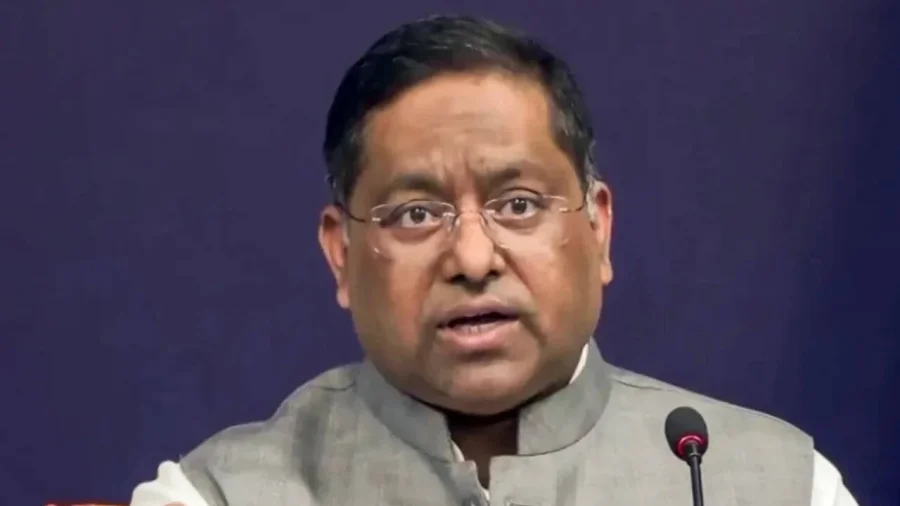
India has delivered a sharp diplomatic rebuke to Pakistan at the Asean regional forum, accusing Islamabad of running a "state-sponsored" misinformation campaign. In a move that could redraw the water map of South Asia, New Delhi declared that the Indus Waters Treaty — one of the world's most enduring water-sharing agreements — is now in abeyance.
What India Said at Asean
Speaking at the Asean summit in Jakarta, Indian officials directly called out Pakistan for what they described as a systematic effort to spread false narratives about India's water usage. The accusation was framed as a breach of diplomatic norms and a threat to regional stability. "State-sponsored misinformation has no place in multilateral forums," the Indian delegation stated, according to sources familiar with the proceedings.
Why the Indus Waters Treaty Matters to Millions
The Indus Waters Treaty, signed in 1960, governs the sharing of six rivers between India and Pakistan. It has survived three wars and decades of hostility. For Pakistan, the treaty is a lifeline — its agriculture, drinking water, and hydroelectric power depend heavily on the Indus basin. For India, the treaty has been a constraint on its ability to develop water projects in Jammu and Kashmir. Declaring it in abeyance means India is no longer bound by its terms, potentially allowing New Delhi to divert or store more water from rivers that flow into Pakistan.
How the Dispute Escalated
Tensions over the treaty have been simmering for years. India has long complained that Pakistan uses the treaty's dispute resolution mechanism to block Indian hydroelectric projects. In recent months, New Delhi has signaled growing frustration. The Asean forum — typically focused on trade and security in Southeast Asia — became an unexpected stage for this confrontation. India's decision to raise the issue there suggests it wants to internationalize the dispute and isolate Pakistan diplomatically.
Who Is Affected by This Decision
Farmers in Pakistan's Punjab and Sindh provinces, who rely on Indus waters for irrigation, face the most immediate uncertainty. If India withholds water or alters flow patterns, it could trigger a humanitarian crisis. In India, the decision could unlock billions of dollars in stalled hydropower projects in Jammu and Kashmir, but also risks international backlash. The World Bank, which brokered the original treaty, has not yet commented on India's declaration.
Pakistan's Response So Far
Pakistan has not yet issued an official response to India's Asean statement. However, Islamabad has historically defended the treaty as a cornerstone of regional water security. Analysts expect Pakistan to challenge India's move at the United Nations or the International Court of Justice. The accusation of "state-sponsored misinformation" is likely to be met with a counter-accusation from Pakistan, further deepening the diplomatic rift.
What 'Abeyance' Actually Means
In diplomatic and legal terms, "abeyance" means the treaty is temporarily suspended — not formally terminated, but no longer considered active or enforceable. This is a middle ground between full withdrawal and continued compliance. It gives India room to act unilaterally while leaving the door open for future negotiations. However, it also creates legal ambiguity: neither side is clear on what rules now apply to water sharing.
Confirmed Facts vs What Remains Unclear
Confirmed: India accused Pakistan of state-sponsored misinformation at Asean. India declared the Indus Waters Treaty in abeyance. The statement was made by the Indian delegation at the Asean forum. Unclear: The exact wording of India's declaration. Whether Pakistan has formally received a notice of abeyance. The World Bank's position on this development. Whether India will immediately begin diverting water. All of these remain unconfirmed at this stage.
Risks and Concerns Emerging
Declaring a water treaty in abeyance carries serious risks. It could set a precedent for other transboundary water agreements worldwide. It may escalate into a broader conflict between India and Pakistan, including military tensions along the Line of Control. Environmental groups warn that unilateral water management could harm river ecosystems. Critics in India argue the move could alienate other nations that rely on similar treaties with New Delhi, such as Bangladesh over the Ganges.
Wider Pattern of Diplomatic Confrontation
This is not an isolated incident. India has increasingly used multilateral forums to call out Pakistan on issues ranging from terrorism to human rights. The Asean platform is a new front in this strategy. It reflects a broader shift in Indian foreign policy under Prime Minister Narendra Modi — moving from defensive diplomacy to proactive, confrontational messaging. Pakistan, meanwhile, has been struggling to maintain its narrative in international bodies.
What Should Citizens and Investors Watch For
For citizens in both countries, the immediate concern is water availability. Farmers in Pakistan should monitor official advisories from their water authorities. Investors in Indian hydropower companies should watch for announcements about stalled projects in Jammu and Kashmir. Diplomats and analysts should track whether the World Bank or the UN intervenes. For the general public, this story underscores how water scarcity is becoming a flashpoint in international relations.
Future Outlook: What Could Happen Next
Several scenarios are possible. India could proceed with building dams on rivers that flow into Pakistan, triggering a formal dispute. Pakistan could take India to international arbitration, though the treaty's abeyance complicates that route. The World Bank could attempt mediation, but its influence has waned. In the worst case, water disputes could escalate into military skirmishes. In the best case, both sides could return to negotiations under new terms. The next few months will be critical.
Our Take
India's declaration at Asean is a significant escalation, but it is not a surprise. The Indus Waters Treaty has been under strain for years, and India's frustration with Pakistan's use of the dispute mechanism is well-documented. By choosing a multilateral forum like Asean, India is signaling that it wants the world to see Pakistan as the intransigent party. However, declaring a treaty in abeyance is a high-risk move. It could solve India's immediate water constraints but at the cost of long-term regional stability. The real test will be whether both sides can find a new framework for cooperation — or whether water becomes the next battlefield.
Frequently Asked Questions
What does it mean that the Indus Waters Treaty is in abeyance?
It means the treaty is temporarily suspended. India is no longer bound by its terms, but the treaty has not been formally terminated. This allows India to act unilaterally on water projects while leaving room for future negotiations.
Why did India raise this issue at Asean?
India used the Asean forum to internationalize the dispute and isolate Pakistan diplomatically. By accusing Pakistan of state-sponsored misinformation, India aims to frame itself as the aggrieved party in front of a wider audience.
How will this affect farmers in Pakistan?
If India diverts or stores more water from rivers flowing into Pakistan, farmers in Punjab and Sindh could face reduced irrigation supplies. This could lead to crop failures and food insecurity in the short term.
Can the World Bank intervene?
The World Bank brokered the original treaty and has a role in dispute resolution. However, with India declaring the treaty in abeyance, the Bank's ability to mediate is uncertain. It may attempt to bring both sides to the table, but its leverage is limited.



