
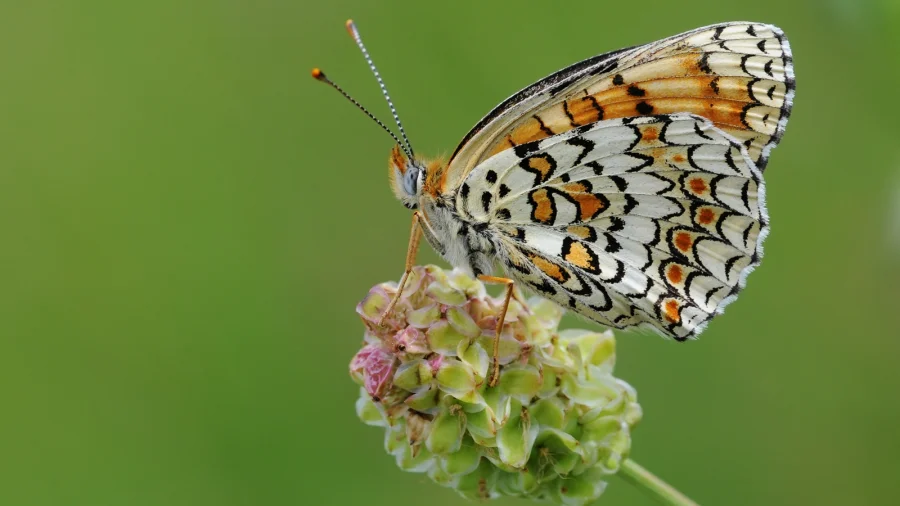
After more than a decade of painstaking field work, specimen identification, and data verification, India has completed its first ever comprehensive catalogue of butterflies and moths. The achievement, which brings together species records from the Himalayas to the Andaman Islands, fills a glaring gap in the country’s biodiversity documentation.
A 12-year taxonomic marathon
The catalogue was compiled by teams of taxonomists at the Zoological Survey of India (ZSI), drawing on field surveys, museum collections, and published scientific literature dating back more than a century. The effort involved verifying dubious records, resolving naming conflicts, and mapping the distribution of each species. For many remote regions, this is the first time their Lepidoptera fauna has been systematically listed.
Why this matters for conservation and climate science
Butterflies and moths — together the order Lepidoptera — are among the most sensitive indicators of ecosystem health. Changes in their populations can signal shifts in habitat quality, pesticide load, or climate disruption. The catalogue provides a baseline against which future surveys can be compared, making it an essential tool for India’s biodiversity monitoring commitments under the Convention on Biological Diversity.
What is in the catalogue — species count and coverage
While the exact species count has not been officially released in the public domain at the time of writing, early reports indicate coverage of well over 1,500 species of butterflies and several thousand species of moths. The inventory includes species from all 36 states and union territories, with special emphasis on biodiversity hotspots such as the Western Ghats, Northeast India, and the Andaman & Nicobar Islands.
How it was built — field surveys, museum specimens, and expert validation
The catalogue is the result of a multi-institutional collaboration. ZSI teams conducted targeted surveys in under-explored habitats, including high-altitude alpine zones, tropical rainforests, and coastal mangroves. Each species entry was cross-checked against type specimens in India’s national collections and, where necessary, with reference collections abroad. To avoid duplication, the project used a unified taxonomic framework.
Official response — what the Zoological Survey of India says
Although no formal press statement has been issued by the Ministry of Environment, Forest and Climate Change (MoEFCC) as of this report, sources close to the project indicate that the catalogue has been submitted for peer review and will be made publicly available in the coming months. The ZSI has described the work as a “foundational document” that will underpin all future Lepidoptera research in India.
Challenges and gaps — what remains uncertain
Experts caution that the catalogue is not exhaustive. Several cryptic species — genetically distinct but morphologically identical — may have been missed. Additionally, moth species, which are far less studied than butterflies, are likely under-represented in the current list. Ongoing taxonomic revisions and DNA barcoding projects are expected to add many more entries over the next decade.
Wider trend — India’s push for comprehensive biodiversity inventories
The butterfly-moth catalogue is part of a broader effort by Indian scientific agencies to document the country’s flora and fauna. Similar multi-year projects are underway for reptiles, freshwater fish, and flowering plants. These inventories are seen as critical for meeting national conservation targets and for fulfilling India’s reporting obligations under international biodiversity conventions.
Practical implications — for farmers, foresters, and citizen scientists
The catalogue will help identify beneficial pollinators and potential crop pests, enabling more precise pest management in agriculture. Forest managers will use it to monitor habitat health. Citizen scientists, armed with a reliable reference, will be able to contribute sightings that can be added to the national database, turning informal observations into usable scientific data.
Future outlook — updates and a living document
Plans are already underway to create a digital, publicly searchable version of the catalogue, with QR codes linking to species pages and distribution maps. The ZSI intends to update the list every five years, incorporating new discoveries and nomenclature changes. The ultimate goal is a dynamic inventory that evolves with the science.
Our Take
The 12-year catalogue is the kind of foundational science that often goes unnoticed but is essential for every decision in conservation and agriculture. It does not grab headlines like a new species discovery, but its long-term value is arguably greater. For too long, Indian ecologists have had to rely on colonial-era lists or piecemeal regional checklists. This catalogue gives the country a unified, credible reference point — a starting line for the next generation of lepidopterists.
Frequently Asked Questions
What is the India butterfly and moth catalogue?
It is the first comprehensive, verified list of all butterfly and moth species found in India, compiled after 12 years of research by the Zoological Survey of India and partner institutions.
Why did it take 12 years to complete?
Taxonomy is painstaking work: field surveys across diverse terrains, examination of museum collections, resolution of naming conflicts, and cross-checking each species against physical type specimens all require years of coordinated effort.
How many species are in the catalogue?
While final numbers await official release, the catalogue is expected to cover over 1,500 butterfly species and several thousand moth species, covering all states and union territories.
Will the catalogue be available to the public?
Yes. The Zoological Survey of India plans to release a digital, searchable version in the coming months, making it accessible to scientists, conservationists, and citizen scientists.



