
Summary
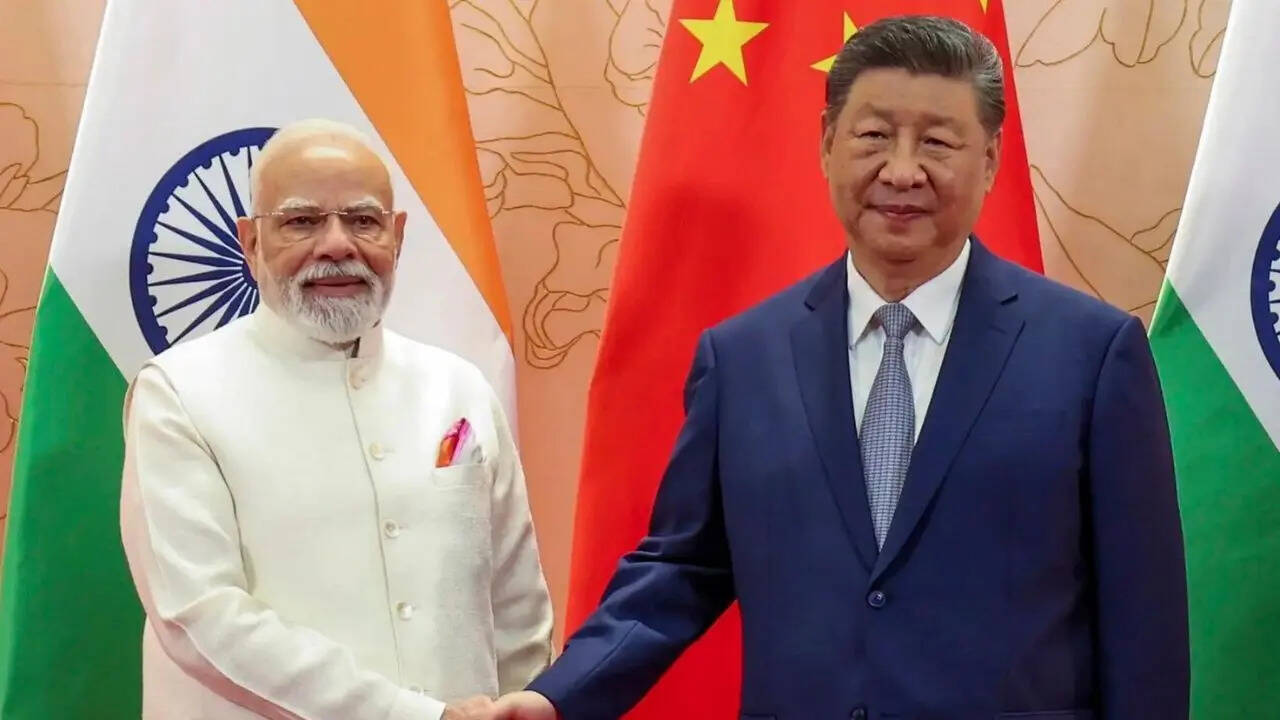
India and China have held their first one-on-one meeting during the Shanghai Cooperation Organisation (SCO) summit following a recent cooling of tensions in the Ladakh region. This high-level talk marks a major shift in how the two neighbors interact after years of military standoff. The meeting focuses on maintaining peace along the border and finding ways to work together on regional issues. It is a vital step toward fixing a relationship that has been strained since 2020.
Main Impact
The most significant impact of these talks is the reopening of direct diplomatic paths that had been mostly closed for years. Since the border clashes in 2020, most conversations between India and China were handled by military commanders rather than top government officials. By sitting down at the SCO summit, both nations are signaling to the world that they want to move past the era of direct conflict.
This change is expected to help stabilize the region. When the two largest countries in Asia are not talking, it creates uncertainty for trade, security, and travel. This meeting suggests a return to a more predictable relationship. While it does not solve every problem overnight, it reduces the risk of sudden military flare-ups and allows both countries to focus on their internal growth and economic goals.
Key Details
What Happened
The bilateral meeting took place on the sidelines of the SCO gathering. Foreign ministers and senior diplomats from both sides met in a private setting to discuss the current state of the Line of Actual Control (LAC). This is the unofficial border where thousands of troops have been stationed in high-altitude camps for several winters. The discussion follows a "thaw," or a softening of attitudes, that began after both sides agreed to pull back troops from specific friction points in Ladakh.
Important Numbers and Facts
The tension between the two countries reached a peak in June 2020 during a clash in the Galwan Valley. Since then, more than 20 rounds of military-level talks have been held to manage the situation. At the height of the standoff, both nations had deployed roughly 50,000 to 60,000 troops each in the Ladakh sector, supported by tanks, artillery, and fighter jets. This latest meeting is the first formal bilateral talk since a new agreement was reached to ensure that patrolling can happen without leading to new fights.
Background and Context
The relationship between India and China is one of the most complex in the world. They share a long border that has never been fully agreed upon. For decades, they followed a set of rules to keep the peace, but those rules broke down in 2020. This led to a freeze in many areas, including direct flights, visa approvals for journalists, and certain types of business investments.
The Shanghai Cooperation Organisation (SCO) is a group that includes countries like Russia, Pakistan, and several Central Asian nations. It is designed to help these countries talk about security and trade. Because both India and China are members, the SCO provides a neutral place for them to meet. Using this platform allows them to talk without it looking like one side is giving in to the other.
Public or Industry Reaction
Business leaders in both countries have welcomed the news. Many Indian industries rely on parts and raw materials from China, and the tension had made it harder to get visas for Chinese experts to visit Indian factories. Industry experts believe that if diplomatic talks continue to go well, the Indian government might ease some of the strict rules on Chinese investments.
Political experts are more cautious. They point out that while the "thaw" is good, the underlying trust is still very low. Many people in India remain wary of China's long-term goals. However, the general feeling is that talking is much better than the silence that has lasted for the past few years. The international community also views this as a positive sign for global stability.
What This Means Going Forward
In the coming months, we can expect to see more meetings between lower-level officials to work out the small details of border management. There is also a possibility that direct flights between major Indian and Chinese cities could start again. These flights were stopped during the pandemic and were never fully brought back because of the border fight.
The next big step will be to see if the two leaders, Prime Minister Narendra Modi and President Xi Jinping, will hold a full, formal summit. If that happens, it would mean the relationship is truly back on track. For now, the focus remains on making sure the border stays quiet and that no new misunderstandings lead to violence.
Final Take
The road to a friendly relationship between India and China is still long and full of challenges. However, this first meeting after the Ladakh thaw is a clear sign that both sides see the value in peace. By choosing to talk at the SCO summit, they have taken a necessary step toward a more stable and prosperous Asia.
Frequently Asked Questions
Why did India and China stop talking?
They stopped high-level talks after a violent border clash in 2020 in the Ladakh region. This event caused a major breakdown in trust and led both countries to move thousands of soldiers to the border.
What is the SCO?
The Shanghai Cooperation Organisation (SCO) is an international group focused on security and trade in Asia. It includes India, China, Russia, and several other countries, providing a place for them to discuss regional issues.
Will this meeting fix the border problem?
While the meeting is a very positive step, it does not solve the entire border dispute. It helps manage the situation and prevents fighting, but the final agreement on where the border lies will take much more time and many more talks.



