
Summary
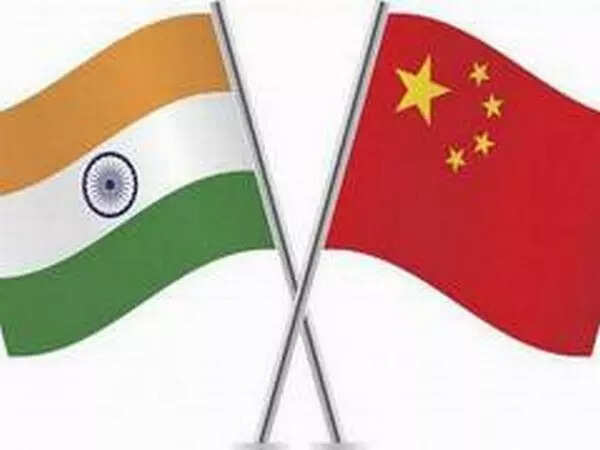
India has officially stated its readiness to work with China to reduce the long-standing tensions along their shared border. This announcement marks a significant step in trying to fix the relationship between the two most populous nations in the world. For several years, both countries have kept large numbers of soldiers in high-altitude regions, leading to a difficult and frozen diplomatic situation. By focusing on dialogue, both sides hope to bring back peace and stability to the border areas.
Main Impact
The main impact of this development is the potential for a major decrease in military pressure along the Line of Actual Control (LAC). If both nations agree to move their troops back, it could prevent accidental clashes and save lives. This shift also opens the door for better economic cooperation, as trade and investment between India and China have been restricted due to the border conflict. A more stable relationship would help the entire region feel more secure and could lead to more predictable global markets.
Key Details
What Happened
The Indian government has signaled that it is prepared to engage in more active talks with China to solve the border dispute. This follows a period of several years where communication was limited and focused mostly on military standoffs. The goal is to reach a point where both armies can pull back from the front lines. This process is known as "disengagement." Once the soldiers move back, the next step is "de-escalation," which means reducing the total number of troops stationed in the border zones to normal levels.
Important Numbers and Facts
The border dispute became very serious in May 2020 after a major confrontation. Since then, both India and China have sent more than 50,000 soldiers each to the border areas. These soldiers are supported by heavy equipment like tanks, artillery, and fighter jets. The two countries have held over 20 rounds of high-level military talks and several diplomatic meetings. The Line of Actual Control, which acts as the unofficial border, stretches for about 3,488 kilometers across very difficult mountain terrain.
Background and Context
The border between India and China has been a source of trouble for many decades. Because the border is not clearly marked on the ground, both sides often have different ideas about where the line actually is. This leads to situations where patrols from both armies meet in the same area, causing friction. In June 2020, a violent clash in the Galwan Valley resulted in the deaths of soldiers on both sides, which was the first time this had happened in over 40 years. Since that event, the relationship has been very cold, with India making it clear that things cannot go back to normal until the border is peaceful.
Public or Industry Reaction
Many people in the business world are watching these developments closely. Companies that rely on parts or materials from China hope that better relations will make it easier to do business. On the other hand, many security experts in India are staying cautious. They argue that China has made similar promises before but did not always follow through with moving its troops. The general public remains concerned about national security, but there is a common feeling that a peaceful resolution is better than a long-term military standoff that costs a lot of money and resources.
What This Means Going Forward
In the coming months, we can expect to see more meetings between high-ranking officials from both countries. The focus will likely be on specific areas like Depsang and Demchok, where the two armies are still very close to each other. If these talks go well, it could lead to the creation of "buffer zones" where neither side is allowed to patrol for a while. This would help build trust. However, the process will be slow. Both nations have to be sure that the other side is actually moving back before they pull their own troops away. It will take a long time to build back the trust that was lost in 2020.
Final Take
The decision to work together to ease tensions is a necessary step for both India and China. While the border issues are complicated and will not be fixed overnight, choosing talk over confrontation is a positive sign. For the world to be stable, these two giants must find a way to live as neighbors without the constant threat of conflict. Peace on the border is the first and most important requirement for any future cooperation between the two nations.
Frequently Asked Questions
Why are India and China having a border dispute?
The border between the two countries is not clearly defined in many places. Both sides have different maps and claims, leading to disagreements over who owns certain parts of the mountain regions.
What does "disengagement" mean in this situation?
Disengagement means that both the Indian and Chinese armies agree to move their soldiers away from the points where they are currently facing each other, creating more space between the two forces.
How does this affect trade between the two countries?
When there is trouble at the border, India often puts more rules on Chinese investments and apps. If the border situation improves, it might become easier for the two countries to trade and work together on business projects.



