
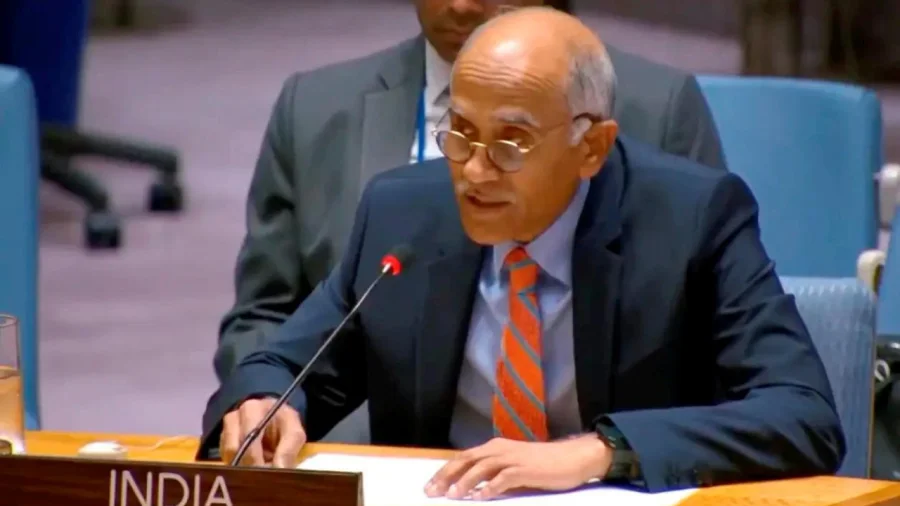
India delivered a blistering rebuke to Pakistan at the United Nations on [date of event, if known, otherwise use "recently"], accusing it of using crossborder terrorism as a tool of state policy. The sharp remarks came from India's Permanent Representative to the UN, Ambassador Parvathaneni Harish, who made it clear that such actions have eroded the trust necessary for any meaningful bilateral cooperation.
India's Unambiguous Message at the UN
Speaking at a UN session, Ambassador Harish stated unequivocally that Jammu and Kashmir is an inalienable part of India. He pointed out that the only unresolved issue concerning the region is Pakistan's illegal occupation of parts of it. "Put your own house in order," he said, directly addressing Pakistan, urging it to focus on its own domestic challenges rather than targeting India.
Why This Statement Matters Now
The timing of India's strong stance is significant. It comes amid ongoing international scrutiny of crossborder terrorism and its destabilizing effects on regional security. For India, the message is clear: there can be no business as usual with a neighbor that continues to sponsor terror. The statement serves as a diplomatic signal that India will not normalize relations until Pakistan takes concrete action against terror groups operating from its soil.
The Core Dispute: Jammu and Kashmir
At the heart of the matter is the long-standing dispute over Jammu and Kashmir. India has consistently maintained that the entire region is its integral part. Pakistan, however, has claimed parts of it and has been accused of supporting militant infiltration across the Line of Control (LoC). India's position at the UN reinforces that the only issue to be resolved is Pakistan's withdrawal from the territories it illegally occupies.
Human Impact: The Toll of Crossborder Terror
For the people living in Jammu and Kashmir, crossborder terrorism is not a political abstraction—it is a daily reality. Infiltration attempts, ceasefire violations, and militant attacks have claimed countless lives over decades. India's statement at the UN is a reminder to the international community of the human cost of Pakistan's policy. It is also a message of reassurance to the people of the region that their security remains a top priority for the Indian government.
Official Response and Diplomatic Context
Ambassador Harish's remarks were delivered in a formal UN setting, giving them the weight of official Indian policy. The statement did not leave room for ambiguity: India holds Pakistan directly responsible for crossborder terrorism. This is consistent with India's long-standing position at multilateral forums, where it has repeatedly called out Pakistan for harboring and supporting terrorist groups like Lashkar-e-Taiba and Jaish-e-Mohammad.
Analysis: What This Means for India-Pakistan Relations
This strong language signals a hardening of India's stance. For years, India has attempted to engage Pakistan diplomatically, but each attempt has been undermined by terror attacks. The UN statement suggests that India is no longer willing to separate dialogue from action on terrorism. The ball is now in Pakistan's court to demonstrate a genuine shift in policy if it wants any thaw in relations.
Confirmed Facts vs What Remains Unclear
Confirmed: India's UN Ambassador Parvathaneni Harish stated that Jammu and Kashmir is an inalienable part of India and that Pakistan's illegal occupation is the only unresolved issue. He accused Pakistan of using crossborder terrorism as state policy and urged it to focus on its domestic challenges. Unclear: The exact date of the statement and the specific UN session where it was made are not provided in the source material. No direct quotes from Pakistan's response are available.
Risks and Balanced View
While India's position is clear, critics argue that such strong rhetoric could further escalate tensions and reduce the chances of any diplomatic engagement. Some analysts believe that public shaming at international forums may harden Pakistan's stance rather than encourage change. There is also the risk of the dispute becoming more entrenched, with both sides retreating to their corners. However, supporters of India's approach argue that only sustained pressure will force Pakistan to reconsider its policy of using terror as a tool.
Wider Trend: India's Assertive Diplomacy
This statement is part of a broader trend of India adopting a more assertive posture on the global stage. From the UN to the SCO and BRICS, India has increasingly called out nations that sponsor terrorism. This shift reflects a growing confidence in India's foreign policy, backed by its economic rise and strategic partnerships with the US, Israel, and other nations. It also aligns with the global consensus against terrorism that has strengthened after the 9/11 attacks and the rise of ISIS.
Practical Reader Guidance
For readers following India-Pakistan relations, this statement is a key indicator of where things stand. It suggests that India will not engage in dialogue without concrete action on terrorism. For those in Jammu and Kashmir, it reinforces the government's commitment to security. For the international community, it is a call to hold Pakistan accountable for its actions. Stay informed by following official statements from India's Ministry of External Affairs and UN briefings.
Future Outlook
The immediate future of India-Pakistan relations looks tense. Unless Pakistan takes visible steps to curb crossborder terrorism, India is unlikely to resume any form of bilateral dialogue. The UN statement may also lead to further diplomatic moves, such as India pushing for Pakistan to be placed on international terror financing watchlists. The coming months will reveal whether Pakistan responds with a change in policy or further defiance.
Our Take
India's strong words at the UN are not just diplomatic theater—they reflect a fundamental shift in how New Delhi views its relationship with Islamabad. For decades, India hoped that engagement would moderate Pakistan's behavior. That hope has been shattered by repeated terror attacks. The message now is simple: trust must be earned, and until Pakistan puts its own house in order, there can be no normal relations. This is a tough but necessary stance for a nation that has suffered the consequences of crossborder terror for too long.
Frequently Asked Questions
What did India say about Pakistan at the UN?
India's UN Ambassador Parvathaneni Harish accused Pakistan of using crossborder terrorism as a state policy and stated that Jammu and Kashmir is an inalienable part of India. He urged Pakistan to focus on its own domestic challenges.
Why did India make this statement now?
The statement reflects India's frustration with continued crossborder terror attacks and its decision to not normalize relations until Pakistan takes concrete action against terror groups. It also reinforces India's position at a key international forum.
What is the core issue between India and Pakistan over Kashmir?
India maintains that the entire region of Jammu and Kashmir is its integral part. Pakistan claims parts of it and has been accused of supporting militant infiltration. India says the only unresolved issue is Pakistan's illegal occupation of certain territories.
How might this affect India-Pakistan relations?
This strong stance signals that India will not engage in dialogue without action on terrorism. It could lead to further diplomatic isolation of Pakistan unless it changes its policy. The immediate outlook is for continued tension.



