
Summary
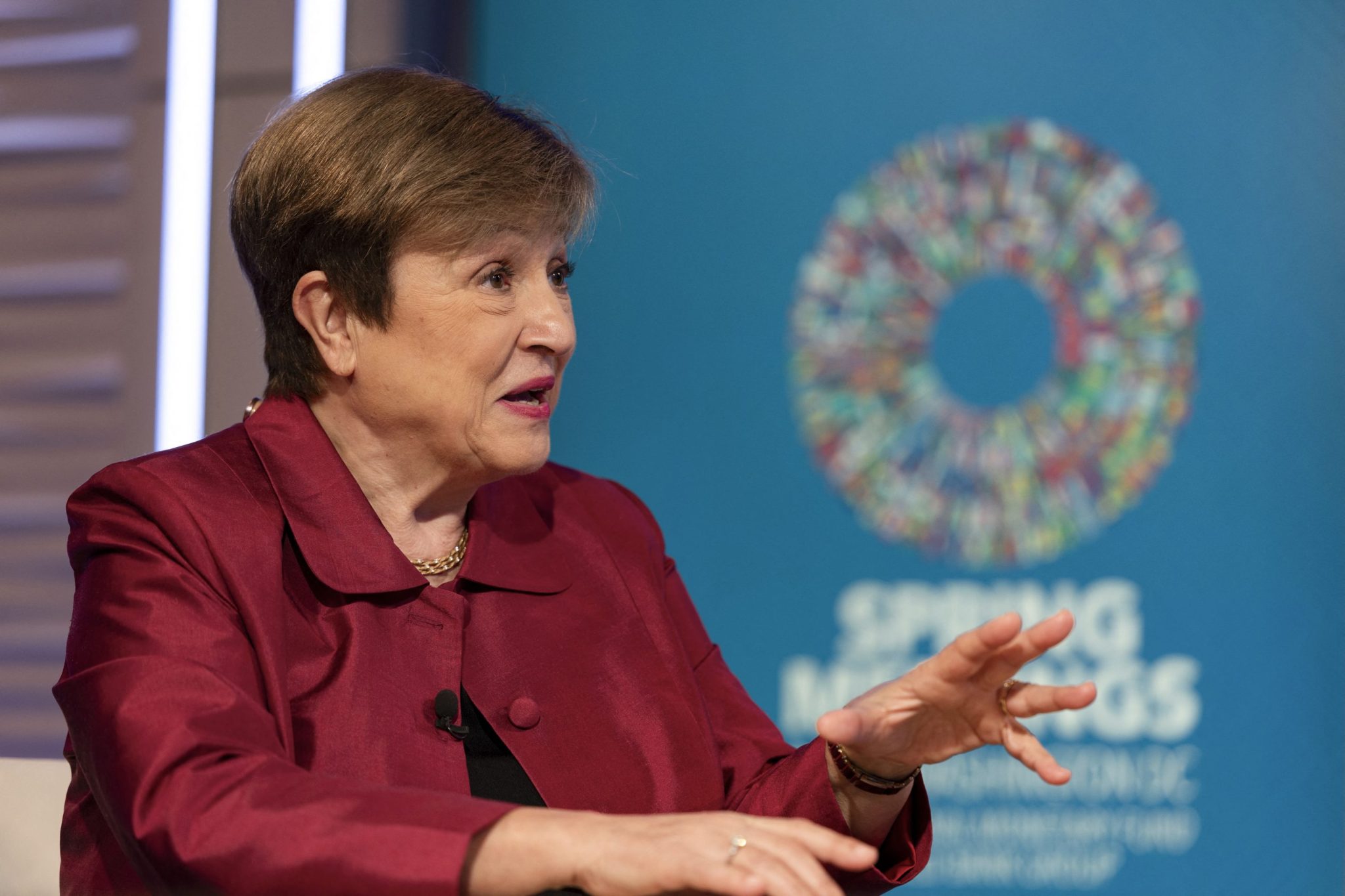
The International Monetary Fund (IMF) and the World Bank are holding their Spring Meetings in Washington this week. These meetings are meant to focus on global economic growth, job creation, and financial stability. However, political tension and the ongoing war with Iran are making it difficult for leaders to stay on track. With the United States taking a hard line on trade and international relations, many experts worry that the core mission of these global institutions is being pushed aside by conflict and loud rhetoric.
Main Impact
The biggest impact of the current situation is the distraction from long-term economic goals. While the IMF wants to talk about rising debt and income inequality, the world is focused on a naval blockade in the Strait of Hormuz. This blockade, led by the U.S., stops ships from moving through a vital trade route. This action threatens global energy supplies and makes it harder for businesses to plan for the future. When the world's largest economy focuses more on military action and political disputes than on financial cooperation, the entire global market feels the pressure.
Key Details
What Happened
As the Spring Meetings began, the focus quickly shifted away from the official agenda. Instead of discussing how to help developing nations or manage new technology, the news was dominated by two major events. First, the U.S. military blocked all shipping through the Strait of Hormuz, a move aimed at Iran that has sent shockwaves through the oil market. Second, President Trump made headlines by publicly criticizing the Pope. These events have made it hard for finance ministers and central bankers to have quiet, productive talks about the economy.
Important Numbers and Facts
The United States holds a unique position because it is the only country with veto power at both the IMF and the World Bank. This means no major policy can move forward without U.S. approval. Meanwhile, the Federal Reserve is seeing a major change in leadership. Jerome Powell is attending his final meeting before Kevin Warsh takes over as Chair next month. This change comes at a time when the U.S. is dealing with high inflation and new tariffs that have changed how goods move across borders. Additionally, the rise of China as a dominant economic force continues to challenge the traditional influence of the U.S. and Europe.
Background and Context
The IMF and World Bank were created to help countries work together and prevent economic crashes. Every year, their meetings serve as a temperature check for the global economy. In recent years, the focus has shifted from simple trade to more complex issues like climate change, food security, and the rise of artificial intelligence. However, the current "Liberation Day" tariffs and the war with Iran have created a more divided world. When countries stop trusting each other, they stop trading fairly, which usually leads to higher prices for everyday people.
Public or Industry Reaction
Investors in the stock market have remained surprisingly calm, even as peace talks between the U.S. and Iran have stalled. However, business leaders are more concerned. Many CEOs are struggling with the high cost of shipping and the uncertainty of interest rates. There is also a growing sense that "Brand USA" is losing its appeal. For example, Canada is now building closer ties with China, and European nations are moving closer together to protect their own interests against U.S. policies. This shift suggests that the global alliance that once supported the U.S. is starting to change.
What This Means Going Forward
The transition at the Federal Reserve will be a key moment to watch. Jerome Powell has worked hard to keep the central bank independent from politics. If the new leadership changes this approach, it could affect how the rest of the world views the U.S. dollar. Furthermore, the war with Iran is not just a military issue; it is an economic one. If the Strait of Hormuz remains blocked, energy prices will likely stay high, which keeps inflation from falling. The IMF will have to find a way to help countries survive these shocks, even if the political climate remains tense.
Final Take
Economic growth requires a level of peace and cooperation that is currently missing from the global stage. While the IMF and World Bank have the tools to help the world economy, those tools only work if the most powerful nations agree to use them. As long as war and political arguments stay at the center of the conversation, the real work of building a stable economy will remain on hold.
Frequently Asked Questions
Why is the Strait of Hormuz important for the economy?
The Strait of Hormuz is a narrow waterway where a large portion of the world's oil is shipped. When it is blocked, oil supplies drop, which causes gas and energy prices to go up globally.
What is the role of the IMF and World Bank?
These organizations provide loans, advice, and technical help to countries. Their goal is to keep the global financial system stable and help poorer nations grow their economies.
Who is Kevin Warsh?
Kevin Warsh is set to become the next Chair of the Federal Reserve. He will be responsible for making decisions about interest rates and managing the U.S. money supply starting next month.



