
Summary
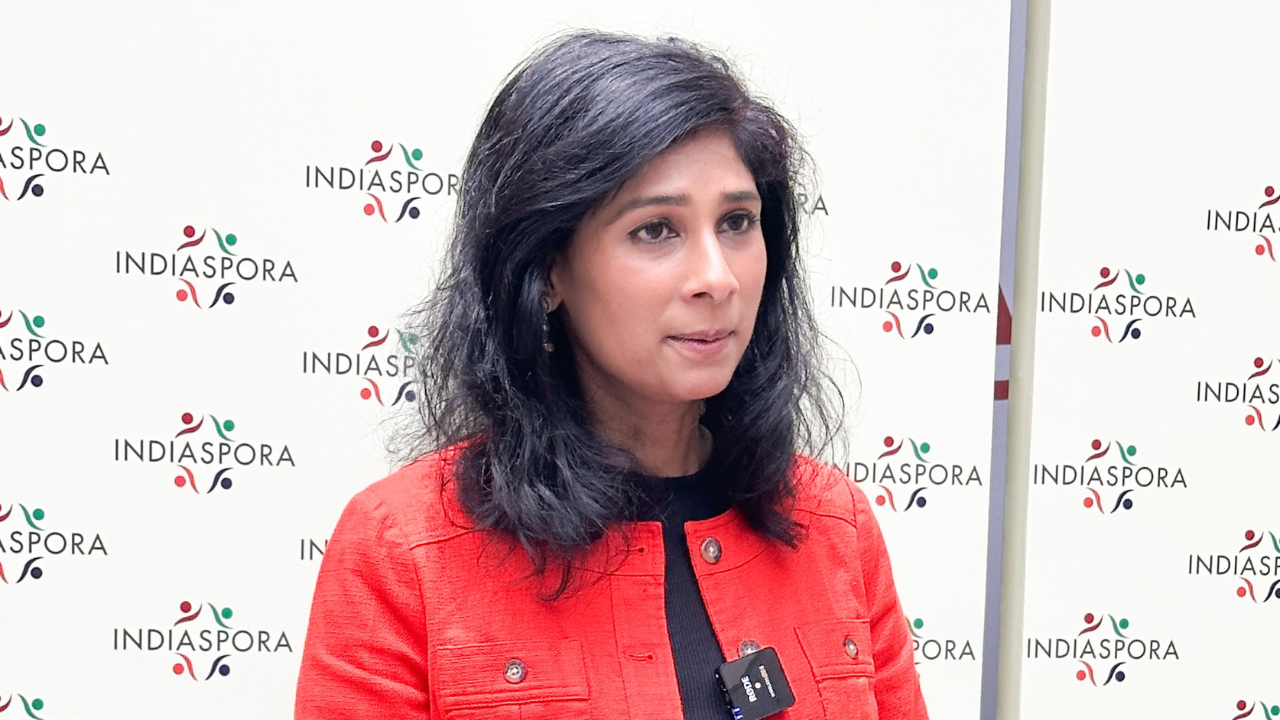
Gita Gopinath, the First Deputy Managing Director of the International Monetary Fund (IMF), recently shared her views on the state of the world economy. She stated that geopolitics has become a permanent and powerful force in shaping global policy. In the past, economic decisions were mostly based on efficiency and low costs. Now, political tensions and national security concerns are the main drivers of how countries trade and invest with one another. This shift marks a major change in how the global financial system works.
Main Impact
The primary impact of this trend is the "fragmentation" of global trade. Instead of one big global market, the world is splitting into different groups or blocks. Countries are now choosing to trade more with their political allies and less with those they view as rivals. This change makes supply chains less efficient and can lead to higher prices for everyday goods. For businesses and governments, the focus has shifted from finding the cheapest way to produce items to finding the safest and most reliable way to secure them.
Key Details
What Happened
During her recent discussions, Gita Gopinath pointed out that the era of simple globalization is over. For several decades, the world moved toward more open borders and free trade. However, recent events like the war in Ukraine and the growing competition between the United States and China have changed the rules. Governments are now using trade as a tool for foreign policy. They are putting up barriers, such as tariffs and export bans, to protect their own industries and limit the power of their competitors.
Important Numbers and Facts
The IMF has been tracking these changes closely. Data shows that trade between countries that do not share the same political views is growing much slower than trade between friendly nations. In some cases, the IMF warns that a total split in global trade could reduce the world's economic output by a large amount. Some estimates suggest that extreme fragmentation could cost the global economy up to 7% of its total value. This is roughly equal to the combined size of the German and Japanese economies. Additionally, the number of new trade restrictions introduced each year has tripled since 2019.
Background and Context
To understand why this matters, we have to look at how the world used to work. For a long time, companies moved their factories to wherever labor was cheapest. This helped keep inflation low and allowed people in many countries to buy affordable electronics, clothes, and cars. However, this system made countries very dependent on each other. When the pandemic hit and wars broke out, these long supply chains broke down. Now, leaders believe that being too dependent on a political rival for essential items like computer chips or medicine is a big risk. This has led to "friend-shoring," which means moving production to countries that are politically friendly.
Public or Industry Reaction
Many business leaders are worried about these changes. They argue that while security is important, the cost of doing business is going up. Companies now have to spend more money to build new factories in more expensive locations. Economists also warn that developing nations will suffer the most. These smaller countries often rely on selling their goods to both the East and the West. If the world splits into two separate camps, these nations might be forced to choose a side, which could hurt their growth and limit their access to new technology.
What This Means Going Forward
Moving forward, we can expect to see more government involvement in the economy. Instead of letting the free market decide where things are made, governments will provide subsidies and tax breaks to bring manufacturing back home. This is already happening with the production of electric vehicle batteries and semiconductors. Consumers should prepare for a world where prices might not fall as fast as they used to. Inflation could become harder to control because the global system is no longer optimized for the lowest possible cost. The IMF and other global groups will have a difficult job trying to keep countries talking to each other to prevent a complete economic breakdown.
Final Take
The message from Gita Gopinath is clear: the world has entered a new and more complicated chapter. Politics and economics are now tied together in a way that cannot be easily undone. While building more resilient supply chains is a good goal, the move away from global cooperation comes with a high price tag. Finding a balance between national safety and economic growth will be the biggest challenge for leaders in the coming years.
Frequently Asked Questions
What does "fragmentation" mean in the global economy?
Fragmentation happens when the global trade system breaks into smaller, separate groups. Instead of everyone trading freely with each other, countries only trade with specific partners they trust, which can slow down overall economic growth.
Why is geopolitics affecting the price of goods?
When countries stop buying from the cheapest suppliers because of political reasons, they have to buy from more expensive sources. These higher production and shipping costs are often passed on to consumers in the form of higher prices.
What is "friend-shoring"?
Friend-shoring is a strategy where a country moves its supply chains and manufacturing to nations that share similar political values. This is done to reduce the risk of supply disruptions during times of political conflict or war.



