
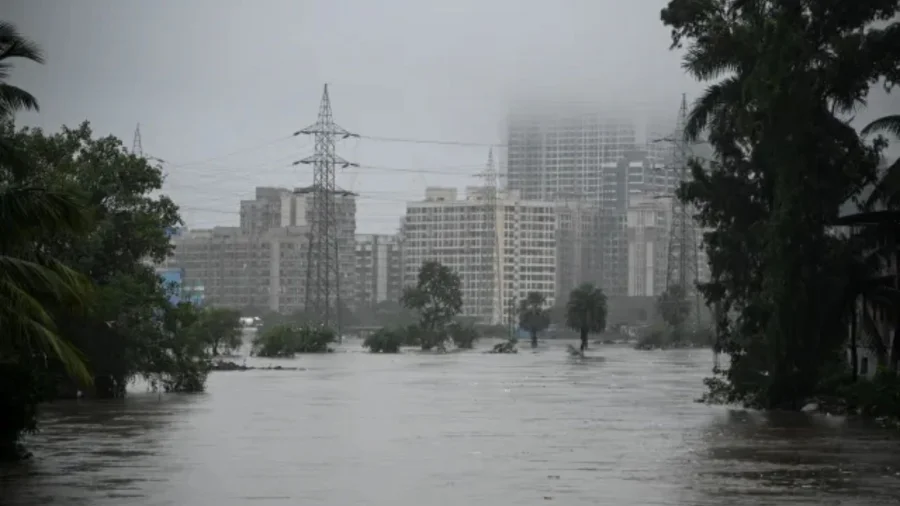
Mumbai and Thane are bracing for a wet Monday as the India Meteorological Department (IMD) has issued a yellow alert for both cities, predicting heavy rainfall to continue throughout the day. For millions of people who rely on local trains and road transport, the warning means potential delays, waterlogging, and the need for extra caution.
Why a Yellow Alert Matters for Monday’s Commute
An IMD yellow alert signals isolated heavy rain (64.5–115.5 mm in a day) that can cause localised flooding and traffic snarls. For commuters in Mumbai and Thane, this translates into slower local train services, water accumulation on key roads like the Eastern Express Highway and Western Express Highway, and possible disruptions in suburban stations such as Dadar, Thane, and Mulund. "Yellow alert means be prepared – it is not a warning for extreme weather but suggests that residents stay updated and plan travel accordingly," an official source said.
Monsoon Pattern This Season: What Led to the Alert
Since the weekend, the monsoon trough has been active over the Konkan coast, bringing continuous showers across the Mumbai Metropolitan Region. Several low-lying areas in Thane and eastern suburbs of Mumbai reported waterlogging on Sunday, prompting the IMD to extend the yellow alert into Monday. The pattern is typical for early August, when the monsoon picks up intensity after a brief lull.
Who Will Be Affected and How to Prepare
Daily commuters – office workers, students, and small business owners – will feel the impact most. Local trains on the Central, Harbour, and Western lines are expected to run slower than usual, with potential delays of 10–20 minutes. Road traffic near Sion, Kurla, Andheri, and Thane may be heavier. Residents in flood-prone areas like Mankhurd, Chembur, and Airoli are advised to avoid venturing out unless necessary. Parents should consider delaying school drop-offs if rain intensifies.
Official Response and Safety Measures in Place
The Brihanmumbai Municipal Corporation (BMC) and Thane Municipal Corporation (TMC) have kept their disaster management cells on standby. Pumping stations in low-lying pockets are being monitored. No specific evacuation order has been issued. Officials advise against driving through waterlogged stretches and recommend using public transport with allowance for extra travel time.
Why Monsoon Precision Alerts Are Becoming Critical
IMD’s colour-coded alerts – green, yellow, orange, red – help citizens gauge risk without jargon. A yellow alert, as issued for Monday, is the first level of caution. It encourages pre-emptive action rather than panic. For a city like Mumbai that floods with even moderate rain, such alerts have become indispensable for daily planning.
Confirmed Facts vs What Remains Unclear
Confirmed: IMD yellow alert for Mumbai and Thane for Monday; heavy rain recorded over the weekend; local train and road delays expected. Unclear: Whether the alert will escalate to orange later in the day; exact timing of peak rainfall; whether schools will remain open – no official closure announcement has been made. Speculation: Some weather bloggers suggest that a low-pressure system in the Bay of Bengal could intensify the rain, but no official confirmation exists.
Risks and Balanced View
While yellow alerts are routine during monsoon, residents have voiced frustration over poor drainage in many areas. Critics argue that repeated alerts without infrastructure upgrades lead to normalisation of disruptions. However, IMD points out that the warning system is meant to save lives, not solve urban planning. The real risk on Monday is not extreme flooding but the cumulative effect of continuous rain causing roads to remain waterlogged longer than usual.
Wider Trend: Mumbai’s Growing Dependence on Real-Time Weather Data
With climate change increasing the frequency of heavy rain events, citizens, companies, and authorities are relying more on granular forecasts. Apps like IMD’s Mausam, Skymet, and private weather services have become daily tools for commuters. This shift from passive awareness to active data use is helping reduce chaos on rain-hit days.
Practical Guide for Monday
• Check local train status via UTS app or social media handles of Western Railway and Central Railway. • Keep rain gear and a change of clothes handy. • Avoid low-lying roads – use alternate routes if possible. • If driving, maintain low speed and turn on headlights. • Parents: confirm with school authorities if they have issued a rain holiday.
Future Outlook
The monsoon active phase is likely to persist for the next 48–72 hours, with another western disturbance expected mid-week. If rain continues beyond Monday, the yellow alert could be extended into Tuesday. IMD will reassess and issue updates later on Monday evening.
Our Take
Mumbai and Thane’s yellow alert is not a cause for alarm but a reminder of the city’s vulnerability to even moderate rain. The focus should be on individual preparedness and reliable real-time information. IMD’s early warnings are valuable, but they work best when backed by responsive civic action. For now, Monday’s commute may require a little extra patience – and a sturdy umbrella.
Frequently Asked Questions
What does a yellow alert mean for Mumbai and Thane?
It means isolated heavy rainfall expected, likely causing waterlogging and traffic delays. Residents are advised to stay cautious and avoid unnecessary travel during peak rain hours.
Will local trains run normally under the yellow alert?
Trains will operate, but speed restrictions may be imposed, leading to delays of 10–20 minutes. Check official railway updates before leaving.
Should schools remain open on Monday when a yellow alert is issued?
Typically, yellow alerts do not automatically close schools. However, some municipal schools in flood-prone areas may declare a holiday. Parents should check with specific schools.
How long will the rain continue in Mumbai and Thane?
IMD forecasts heavy rain for Monday, with the monsoon trough remaining active. The alert may extend into Tuesday depending on conditions.



