
Summary
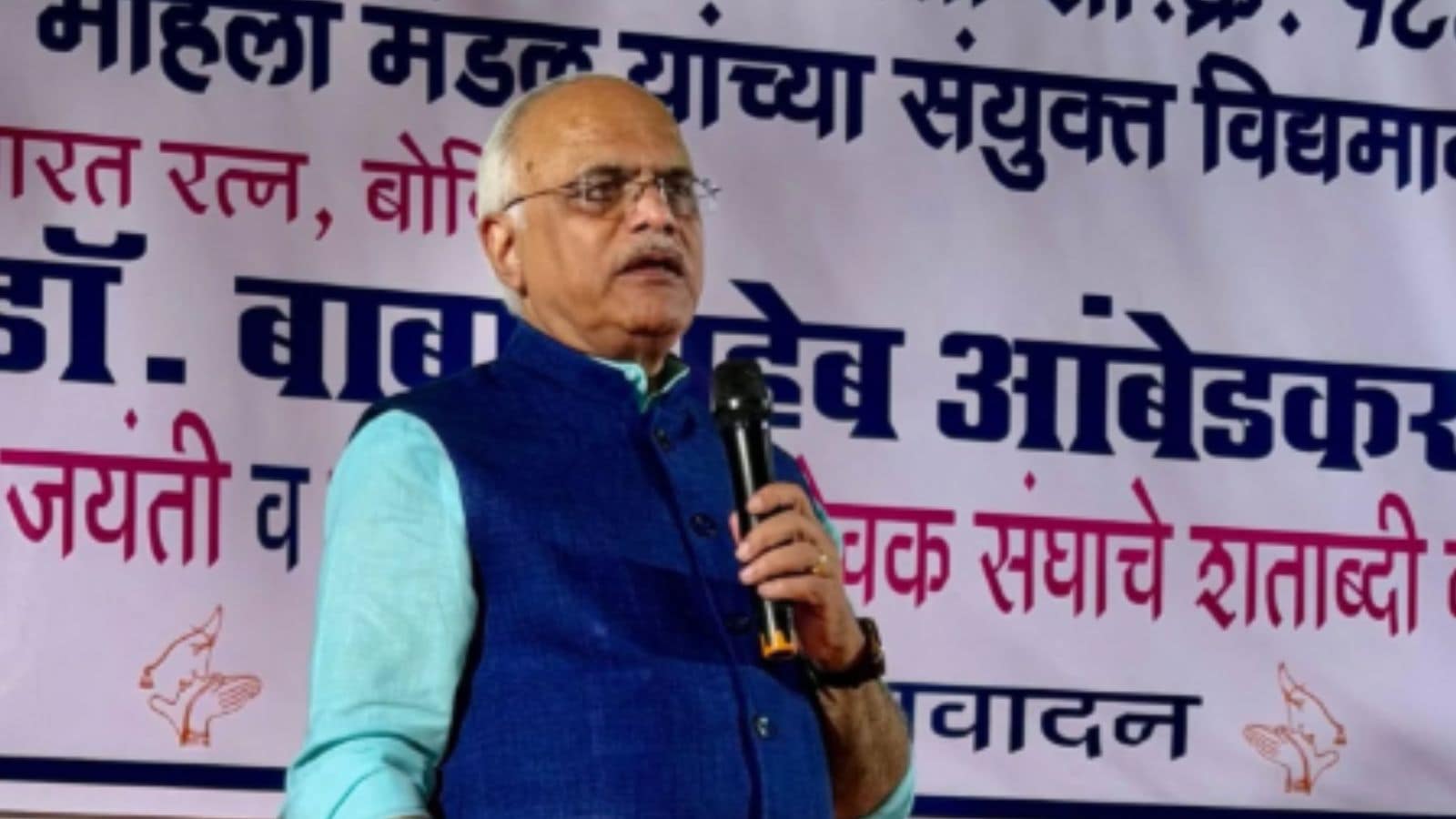
Vinay Sahasrabuddhe, a member of the Rajya Sabha, has called for an end to what he describes as "ideological untouchability." He argues that people should not be ignored or excluded from public life simply because they hold different political or social views. This message highlights the need for a more open and fair environment where all ideas can be discussed without fear of being shut out. By using this strong term, the MP points to a deep divide in how different groups interact in modern society.
Main Impact
The primary impact of this statement is to bring attention to the way political debates are handled in India. Sahasrabuddhe suggests that certain groups have been kept away from important platforms like universities, media, and cultural events. If this trend continues, it could lead to a society where only one way of thinking is allowed. By speaking out, he is encouraging a shift toward a more inclusive intellectual space. This could change how institutions choose their speakers, how books are reviewed, and how public discussions are managed in the future.
Key Details
What Happened
During a recent public address, Rajya Sabha MP Vinay Sahasrabuddhe explained that the fight for true democracy involves more than just winning elections. He stated that the real challenge is overcoming the habit of treating people with different beliefs as if they do not belong. He compared this to the historical social evil of untouchability, suggesting that excluding someone based on their thoughts is a modern version of that old problem. He believes that for a country to grow, it must allow every voice to be part of the conversation, regardless of their political leanings.
Important Numbers and Facts
Vinay Sahasrabuddhe is a senior leader who has spent years working in both politics and cultural education. As a member of the Rajya Sabha, he has often focused on how India presents itself to the world. He has previously led the Indian Council for Cultural Relations (ICCR), where he worked to promote Indian values and arts. His recent comments reflect a long-standing concern within his party that nationalist voices have been unfairly kept out of mainstream intellectual circles for several decades. He argues that this exclusion has affected thousands of scholars and thinkers who did not fit into the traditional "left-wing" or "liberal" groups that often controlled these spaces.
Background and Context
To understand this issue, it is important to look at how public debate has worked in India for a long time. For many years, many people felt that certain groups held a lot of power over what was taught in schools and what was shown in the news. Those who had different ideas, especially those who supported more traditional or nationalist views, often felt they were being pushed to the side. They felt that their ideas were not given a fair chance. This created a feeling of "us versus them" in the world of ideas. Sahasrabuddhe’s comments are part of a larger movement to change this balance and ensure that no single group has total control over what is considered "correct" thinking.
Public or Industry Reaction
The reaction to these comments has been mixed. Many supporters of the current government agree with the MP. They feel that for too long, they were treated as outsiders in their own country’s intellectual life. They see this as a necessary call for fairness and equality in speech. On the other hand, some critics argue that the term "untouchability" is too strong and should only be used for the serious social issues it originally described. These critics also suggest that every political group, including the one in power, sometimes tries to silence its opponents. This has led to a wider debate about who is actually being excluded in today’s political climate.
What This Means Going Forward
Moving forward, this discussion could lead to changes in how public institutions operate. We might see more efforts to include a wider variety of speakers at events and more diverse viewpoints in school lessons. It also serves as a reminder to the public to listen to different sides of a story before making up their minds. The goal is to move away from a culture where people only talk to those they already agree with. If the country can move past these ideological barriers, it may lead to better solutions for national problems, as more perspectives will be considered. However, the path to this kind of openness will require effort from all sides of the political spectrum.
Final Take
A healthy society is one where people can disagree without hating or excluding each other. The call to end ideological untouchability is a reminder that diversity of thought is just as important as any other kind of diversity. While the political divide remains deep, focusing on respect and open communication is the only way to ensure that every citizen feels they have a place in the national conversation. True progress happens when we stop building walls around our ideas and start listening to what others have to say.
Frequently Asked Questions
What does "ideological untouchability" mean?
It refers to the practice of excluding or ignoring people because they have different political or social beliefs. It means refusing to engage with someone's ideas just because they do not match your own.
Who is Vinay Sahasrabuddhe?
He is a member of the Rajya Sabha and a senior political leader in India. He has also served as the president of the Indian Council for Cultural Relations (ICCR) and is known for his work in education and culture.
Why is this topic important for democracy?
Democracy relies on the free exchange of ideas. If certain groups are kept out of the conversation, the public does not get to hear all sides of an issue, which can lead to unfairness and a lack of progress.



