Summary
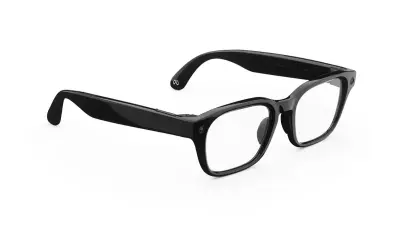
The Department of Homeland Security is reportedly working on a new project to give smart glasses to ICE agents. These high-tech glasses would allow officers to identify people in real time using facial recognition and other personal data. The project aims to help agents spot individuals from a distance by comparing what they see to government databases. While the government says this tool is for immigration enforcement, many people are worried it will lead to constant surveillance of all citizens. The goal is to have these devices ready for use by the end of 2027.
Main Impact
The creation of "ICE Glasses" represents a major shift in how the government monitors the public. Instead of relying on cameras fixed to buildings, law enforcement would have mobile surveillance tools on their faces. This technology makes it possible to scan every person in a crowd without them knowing. It could change the way people behave in public spaces, especially during peaceful protests or community gatherings. The impact goes beyond immigration, as the technology can be used to track anyone whose information is in a government system.
Key Details
What Happened
Journalist Ken Klippenstein recently shared details from government budget documents. These papers show that the Department of Homeland Security (DHS) is developing wearable hardware for agents in the field. These smart glasses will record video and use artificial intelligence to identify people instantly. The documents describe the project as a way to give agents "real-time access to information" while they are working. This means an agent could look at a person on the street and immediately see their name, history, and legal status on a small screen inside the glasses.
Important Numbers and Facts
The DHS has set a target date of September 2027 to deploy these smart glasses. The technology is designed to identify people using two main methods. The first is facial recognition, which matches a person's face to a photo in a database. The second is "walking gait" analysis. This is a way of identifying someone by the unique way they move their body and legs while walking. Because everyone walks differently, this tool can identify a person even if their face is covered by a mask or a hat. The project has already been shared with Congress, though lawmakers have not yet made a public statement about it.
Background and Context
This is not the first time smart glasses have been linked to immigration officers. In early 2024, reports found that some ICE and Border Patrol agents were already using smart glasses made by Meta. Those agents were using the glasses on their own, which may have broken department rules. The new "ICE Glasses" project is different because it is an official government program. It is being built specifically for law enforcement tasks rather than for regular consumers.
This news comes at a time when there is a lot of talk about how the government tracks political groups. Recent investigations found that the Department of Justice asked the FBI to make lists of groups that show "anti-American" views. Because of this, many people fear that high-tech tools like smart glasses will be used to target people based on their political beliefs rather than just for border safety.
Public or Industry Reaction
Civil rights groups are raising alarms about this project. They argue that these glasses will make it impossible for anyone to be anonymous in public. A lawyer from the DHS, who asked to remain anonymous, told reporters that this technology affects all Americans, not just those without legal status. The lawyer specifically mentioned that these glasses could be used to watch and identify people at protests. Privacy experts say that once this technology is used by one agency, it will likely spread to local police departments across the country.
What This Means Going Forward
As the 2027 deadline approaches, there will likely be more debates about the legality of these devices. Courts may have to decide if scanning people's faces and walking patterns in public violates the right to privacy. There is also the risk of technology making mistakes. If the glasses misidentify someone, it could lead to wrongful arrests or dangerous situations for innocent people. For now, the DHS is moving forward with building prototypes to test how well the glasses work in real-world situations.
Final Take
The plan to give ICE agents smart glasses shows how fast surveillance technology is growing. While the government views this as a necessary tool for modern law enforcement, it creates a serious challenge for personal privacy. If these glasses become a standard part of an agent's uniform, the way we move through public spaces may never be the same. The balance between national security and individual freedom is becoming harder to maintain as these tools become more powerful.
Frequently Asked Questions
What are ICE Glasses?
ICE Glasses are smart glasses being developed by the Department of Homeland Security. They use cameras and artificial intelligence to identify people in real time using facial recognition and walking patterns.
When will these glasses be used?
The government plans to have these smart glasses ready for agents to use by September 2027.
Can these glasses identify US citizens?
Yes. While the glasses are intended for immigration enforcement, the technology can scan and identify anyone whose data is in a government database, including US citizens and protesters.