
Summary
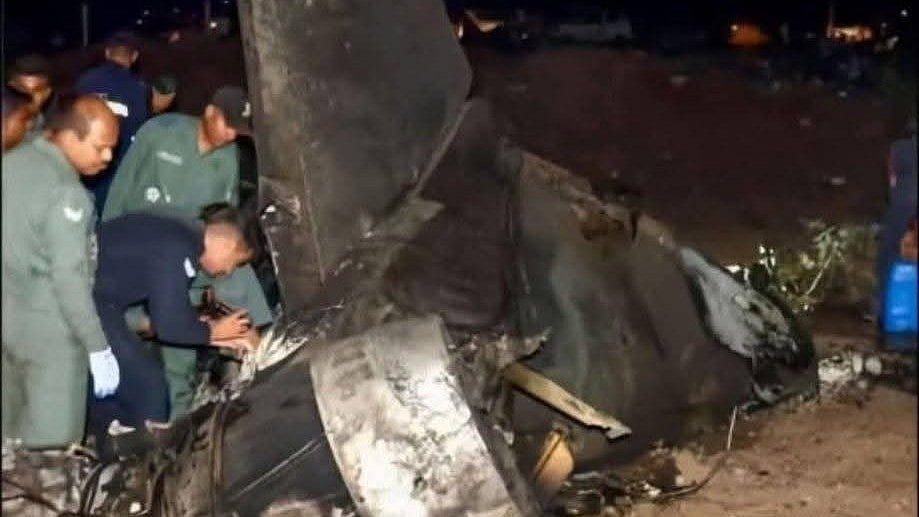
The Indian Air Force (IAF) has confirmed the death of two pilots following a tragic fighter jet accident in Assam. The Sukhoi Su-30MKI aircraft crashed in a remote, hilly part of the Karbi Anglong district during a routine flight. Search teams found the wreckage early Friday morning after the plane lost contact with ground control the previous evening. This incident marks another loss for the nation’s air defense forces and has led to a formal investigation into the cause of the crash.
Main Impact
The loss of Squadron Leader Anuj and Flight Lieutenant Purvesh Duragkar is a significant blow to the Indian Air Force. Beyond the tragic loss of life, the accident raises serious concerns about the safety of the Su-30MKI fleet. As these jets are the primary combat aircraft for India, any technical or operational failure can affect national security. The crash also highlights the dangers pilots face even during standard training missions in difficult weather or geographical conditions.
Key Details
What Happened
The Su-30MKI fighter jet took off from the Jorhat Air Force Station on Thursday evening for a regular training flight, often called a sortie. Everything seemed normal until approximately 7:42 pm, when the aircraft suddenly lost all communication with the airbase. When the jet failed to return, the IAF launched an immediate search and rescue operation. Because the area is covered in thick forests and steep hills, finding the site was difficult. By 1:00 am on Friday, officials confirmed that the plane had crashed and that both pilots had died in the accident. Reports indicate that the pilots did not have the chance to use their emergency seats to jump out of the plane before it hit the ground.
Important Numbers and Facts
The Indian Air Force currently uses more than 260 Sukhoi Su-30MKI jets, making it the most common fighter in their inventory. This specific mission involved two highly trained officers: a Squadron Leader and a Flight Lieutenant. The crash occurred in the Karbi Anglong district, which is known for its dense woods and high elevation. This is not the first time this type of aircraft has been involved in an accident. In June 2024, a similar jet crashed in Maharashtra, and another went down in Madhya Pradesh in early 2023. These repeated incidents have put more pressure on the authorities to check the mechanical health of the entire fleet.
Background and Context
The Su-30MKI is a powerful, twin-engine fighter jet that can perform many different roles, such as attacking targets on the ground or fighting other planes in the air. It was originally designed by a Russian company called Sukhoi, but India builds most of them locally through Hindustan Aeronautics Limited (HAL). Because it can carry heavy weapons and fly long distances, it is considered the backbone of India's air power. Training flights are necessary to keep pilots ready for real combat, but they carry risks, especially when flying over the rugged terrain of Northeast India where weather can change quickly.
Public or Industry Reaction
The Indian Air Force released a statement expressing deep sadness over the loss of their officers. They shared that the entire force stands with the families of Squadron Leader Anuj and Flight Lieutenant Purvesh Duragkar during this painful time. On social media and in news reports, many people have expressed their gratitude for the service of the pilots. Military experts are now calling for a thorough review of the maintenance records for the Su-30MKI. There is a growing discussion about whether these older jets need more frequent safety checks or if there are specific technical issues that need to be fixed by the manufacturers.
What This Means Going Forward
The IAF will now conduct a "Court of Inquiry," which is a formal military investigation. This team will look at the flight data and the wreckage to see if the crash was caused by a mechanical failure, a bird strike, or human error. Depending on what they find, the Air Force might temporarily stop all Su-30MKI flights to perform safety inspections. This is a standard move to ensure no other pilots are at risk. The government may also look into speeding up the process of modernizing the air fleet with newer technology to prevent such tragedies in the future.
Final Take
The death of two young pilots is a reminder of the high price paid by those who serve in the military. While the Su-30MKI remains a vital part of India's defense, the frequency of these accidents cannot be ignored. Finding the exact cause of this crash is the only way to honor the fallen pilots and ensure the safety of those who continue to fly. The nation mourns the loss of these brave officers while waiting for answers from the ongoing investigation.
Frequently Asked Questions
Who were the pilots involved in the Assam crash?
The two pilots were identified as Squadron Leader Anuj and Flight Lieutenant Purvesh Duragkar. Both were officers in the Indian Air Force and died during the training mission.
Where exactly did the Su-30MKI crash occur?
The aircraft crashed in the Karbi Anglong district of Assam. This area is characterized by hilly terrain and dense forest, which made the search operation challenging for the rescue teams.
What is the Su-30MKI and why is it important?
The Su-30MKI is a multirole fighter jet designed by Russia and built in India. It is the most important aircraft in the Indian Air Force because it handles a wide variety of combat missions and makes up the largest portion of the fighter fleet.

