
Summary
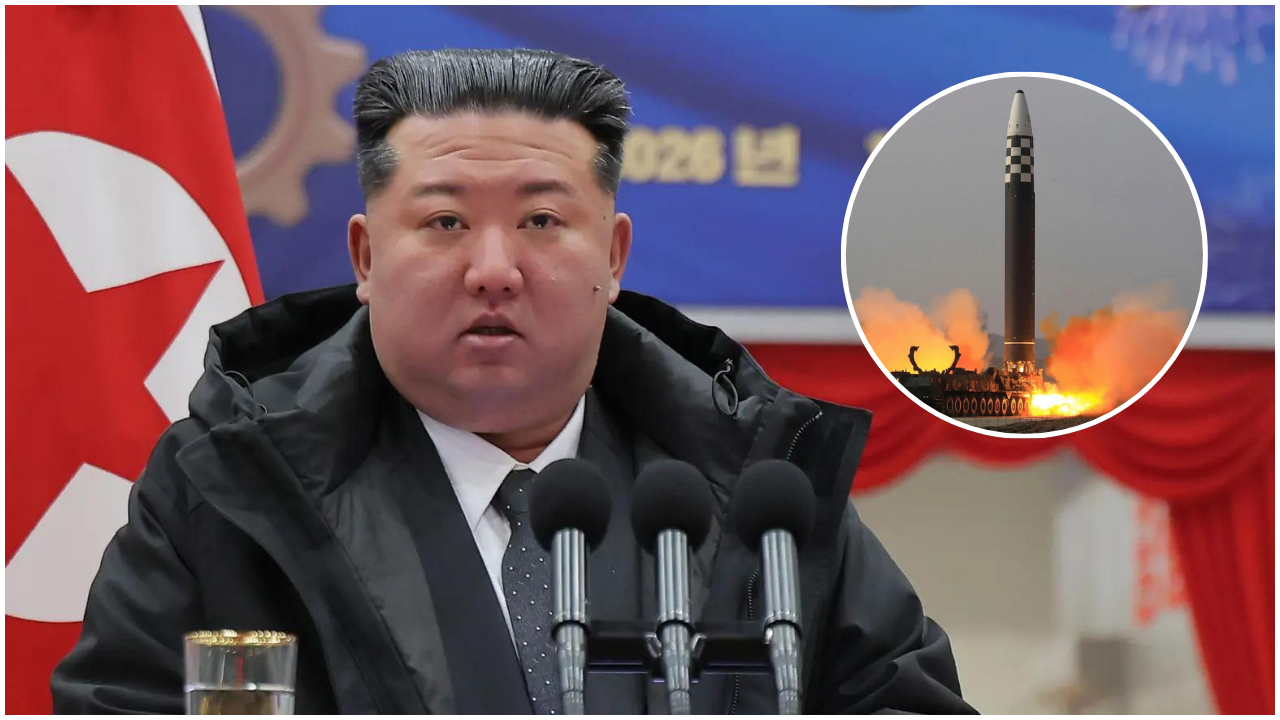
The International Atomic Energy Agency (IAEA) has issued a stern warning regarding North Korea's nuclear program. Recent observations show a major increase in the country's ability to produce nuclear weapons. This growth is centered at the Yongbyon nuclear complex, where activity has reached new and concerning levels. The expansion includes both the processing of existing fuel and the construction of new facilities to create more nuclear material.
Main Impact
The primary impact of this development is a significant shift in regional and global security. By increasing its production capacity, North Korea is moving toward a larger and more advanced nuclear arsenal. This makes diplomatic efforts to limit their weapons much more difficult. It also creates a higher level of tension for neighboring countries like South Korea and Japan, who must now reconsider their own defense strategies in response to a growing threat.
Key Details
What Happened
Rafael Grossi, the head of the IAEA, recently described the situation in North Korea as "very serious." Monitoring efforts have revealed that the Yongbyon nuclear site is operating at a high pace. This site is the main hub for the country's nuclear ambitions. Experts have noticed that the nuclear reactor is running, and the unit used to reprocess fuel is active. Furthermore, new buildings are being constructed to house uranium enrichment centrifuges. These machines are used to create the highly concentrated uranium needed for nuclear warheads.
Important Numbers and Facts
The Yongbyon complex houses a 5-megawatt reactor that has been a source of plutonium for years. Recent reports also highlight the progress of a larger light-water reactor, which could significantly boost the amount of nuclear fuel the country can produce. While the exact number of weapons North Korea possesses is not public, experts believe the current expansion could allow them to double their production speed. The construction of new enrichment facilities suggests that the country is not just maintaining its current stock but is actively trying to grow its stockpile as quickly as possible.
Background and Context
North Korea has been working on nuclear weapons for several decades. Despite many rounds of international sanctions and pressure from the United Nations, the country has refused to stop its program. In the past, there were moments where North Korea agreed to freeze activity at Yongbyon in exchange for aid or political deals. However, those agreements eventually fell apart. Today, the country views its nuclear weapons as essential for its survival. The Yongbyon site has always been the heart of this program, and its current expansion shows that North Korea is committed to its military goals regardless of international law.
Public or Industry Reaction
The international community has reacted with deep concern to the IAEA's findings. Security experts note that the timing of this expansion is particularly worrying. With global attention focused on other conflicts, North Korea may feel it has more freedom to build its weapons without facing new consequences. Leaders in the United States and Europe have called for stricter enforcement of existing sanctions. Meanwhile, some military analysts suggest that the window for peaceful denuclearization is closing, as the program becomes too large and complex to easily dismantle.
What This Means Going Forward
Looking ahead, the world can expect more tension in the Korean Peninsula. As North Korea builds more fuel, it will likely conduct more missile tests to show off its capabilities. There is also a risk that this technology could be shared with other nations or groups, which is a major worry for global safety. The IAEA will continue to monitor the situation through satellite images, as their inspectors are currently not allowed inside the country. Future diplomatic talks will be much harder now that North Korea has a stronger hand to play.
Final Take
The rapid growth of North Korea's nuclear production is a clear sign that the country is moving away from any plans for peace. The "very serious" warning from the IAEA highlights a reality that the world cannot ignore. As the Yongbyon site expands, the challenge of maintaining global security becomes more difficult. International leaders must now find a way to address this growing threat before the situation moves beyond the point of no return.
Frequently Asked Questions
What is the IAEA?
The IAEA stands for the International Atomic Energy Agency. It is a global organization that monitors nuclear activity to ensure it is used for peaceful purposes and warns the world when countries are building nuclear weapons.
Why is the Yongbyon site important?
Yongbyon is North Korea's main nuclear facility. It contains the reactors and processing plants needed to make the fuel for nuclear bombs, such as plutonium and highly enriched uranium.
Can the UN stop North Korea's nuclear program?
The UN uses sanctions, which are rules that stop other countries from trading with North Korea. While these have hurt the country's economy, they have not yet been able to stop the government from building more nuclear weapons.

