
Summary
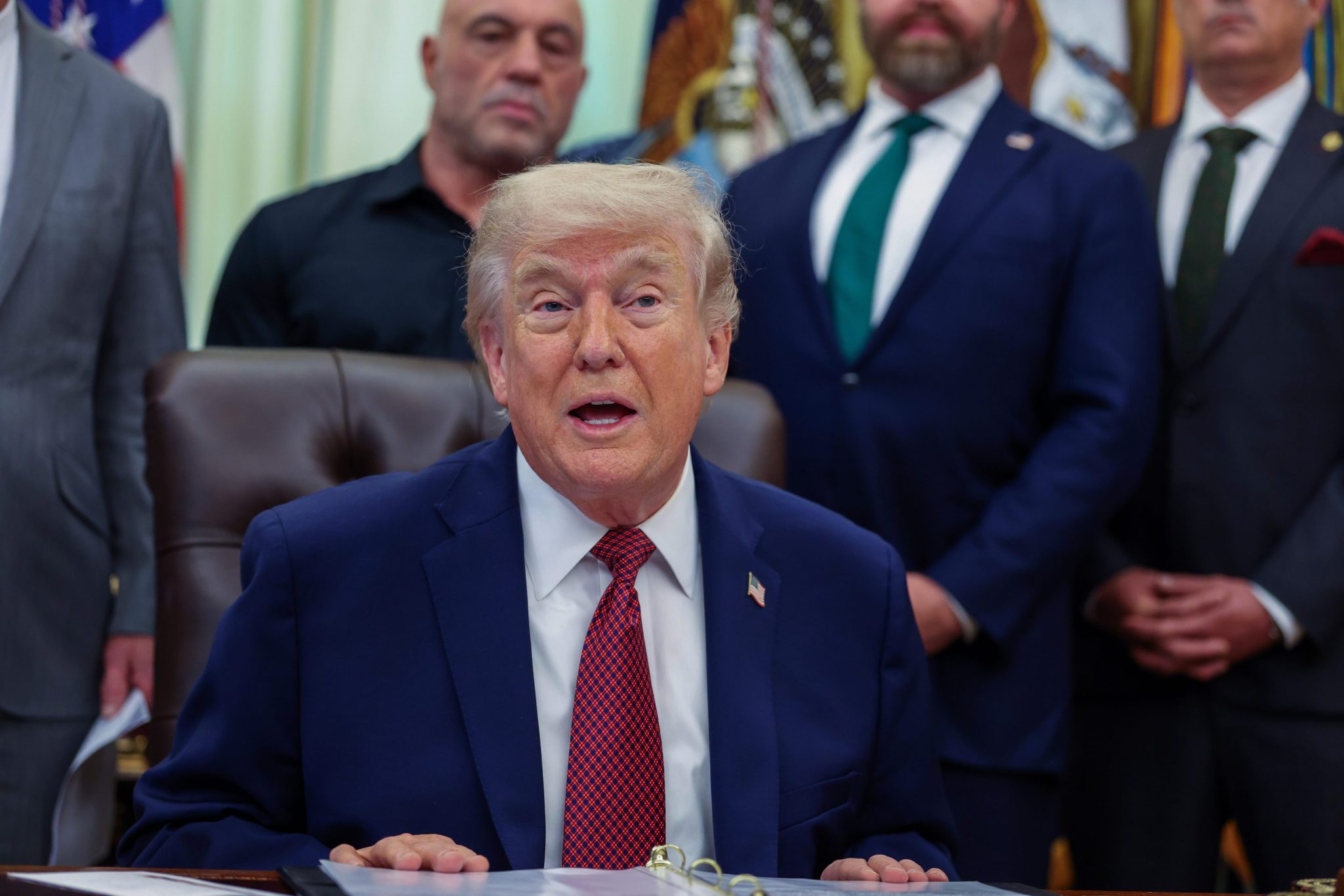
President Donald Trump recently shared his thoughts on how the U.S. economy is handling the ongoing conflict with Iran. He admitted he was surprised that the stock market stayed strong and that oil prices did not climb as high as he feared. While the president is optimistic, top financial experts warn that the situation is still very risky. They believe the current market growth is based on the hope of a peace deal, which has not been finalized yet.
Main Impact
The primary impact of the president's comments is a sense of relief in the stock market, but it may be a false sense of security. Investors are currently betting that the U.S. and Iran will reach a peaceful agreement soon. If these talks fail, the economy could face a sudden downturn. Experts from major banks like Goldman Sachs suggest that the real economic damage from the war is still being calculated and could lead to a recession if the fighting continues.
Key Details
What Happened
During a recent interview on CNBC, President Trump discussed the economic side of the war with Iran. He told the audience that he expected the stock market to drop much lower than it did. He also mentioned that he told his cabinet members to prepare for a "wrinkle" in their financial plans when the conflict began. Despite his warnings, the Dow Jones Industrial Average has continued to climb toward the 50,000 mark.
Important Numbers and Facts
Several key figures highlight the current state of the economy and the energy market:
- Oil Prices: Trump expected oil to reach $200 per barrel, but it is currently trading around $90.
- Gas Prices: Even though oil is lower than expected, prices at the gas pump have risen by about 35% since the war started.
- Inflation: Goldman Sachs increased its inflation forecast for late 2026 to 3.1%.
- Economic Growth: Experts cut their growth forecast for the U.S. economy down to 2% for the year.
- Market Volatility: Trading in oil and gas has become 300% more volatile due to the president's social media updates.
Background and Context
The conflict between the United States and Iran has created a lot of stress for global markets. For weeks, traders have been worried that the war would block major shipping routes, like the Strait of Hormuz, which would stop oil from moving around the world. To help keep prices down, the U.S. government has released oil from its emergency reserves and provided naval protection for ships. However, the situation remains tense as both countries try to negotiate a ceasefire.
Public or Industry Reaction
Financial leaders have mixed feelings about the president's positive tone. Analysts at Goldman Sachs point out that the stock market is looking past the current high oil prices and focusing on a future where the war ends quickly. They warn that this is a "calculated judgment" that could be wrong. Meanwhile, Sebastian Barrack, a top energy trader at Citadel, noted that the president's social media posts have become the biggest factor in oil price changes. Traders now keep a constant watch on his feed because a single post can cause prices to jump or fall instantly.
What This Means Going Forward
The next 24 hours are critical for the economy. Ceasefire negotiations have reached a deadline, and President Trump has threatened to resume military action if a deal is not reached by Wednesday. If the war starts again or gets worse, oil prices could quickly jump to $115 per barrel or higher. This would make inflation worse and could force the central bank to keep interest rates high, which makes it harder for businesses and families to borrow money.
Final Take
While the economy has shown surprising strength so far, it is too early to say the danger has passed. The current stability relies almost entirely on the hope that the war will end soon. If peace talks fail, the "wrinkle" the president mentioned could turn into a much larger economic problem that affects everyone from Wall Street traders to everyday drivers at the gas station.
Frequently Asked Questions
Why did Trump think oil would be $200 a barrel?
Wars in the Middle East often disrupt oil production and shipping. The president expected the conflict to cause a massive shortage, which would have driven prices to record highs.
Is the U.S. economy safe from a recession?
Not necessarily. While the stock market is doing well, experts warn that high oil prices and inflation are still putting a lot of pressure on the economy. If the war lasts longer, the risk of a recession will increase.
How do the president's social media posts affect oil prices?
Traders use his posts as signals for what might happen next. When he posts something positive about peace talks, prices usually go down. When he mentions more military action, prices tend to go up quickly.



