Summary
Climate activist Sonam Wangchuk has lost 8.2 kg and his blood sugar has dropped to dangerous levels as his hunger strike enters its 16th day. The Cockroach Janta Party (CJP), which is leading the protest, has warned the government that lives are at risk. The protesters are demanding the resignation of Education Minister Dharmendra Pradhan over alleged exam paper leaks. Another activist, Deepak, has been hospitalized due to severe health decline.
Main Impact
The health of hunger strikers is worsening rapidly. Sonam Wangchuk’s weight loss and low blood glucose level of 67 mg/dL signal serious medical risk. AISA activist Deepak was admitted to Ram Manohar Lohia Hospital after losing 15% of his body weight and having critically low blood pressure for three days. Doctors warned of possible organ damage. The CJP says the government has not started talks, and the situation is becoming urgent.
Key Details
What Happened
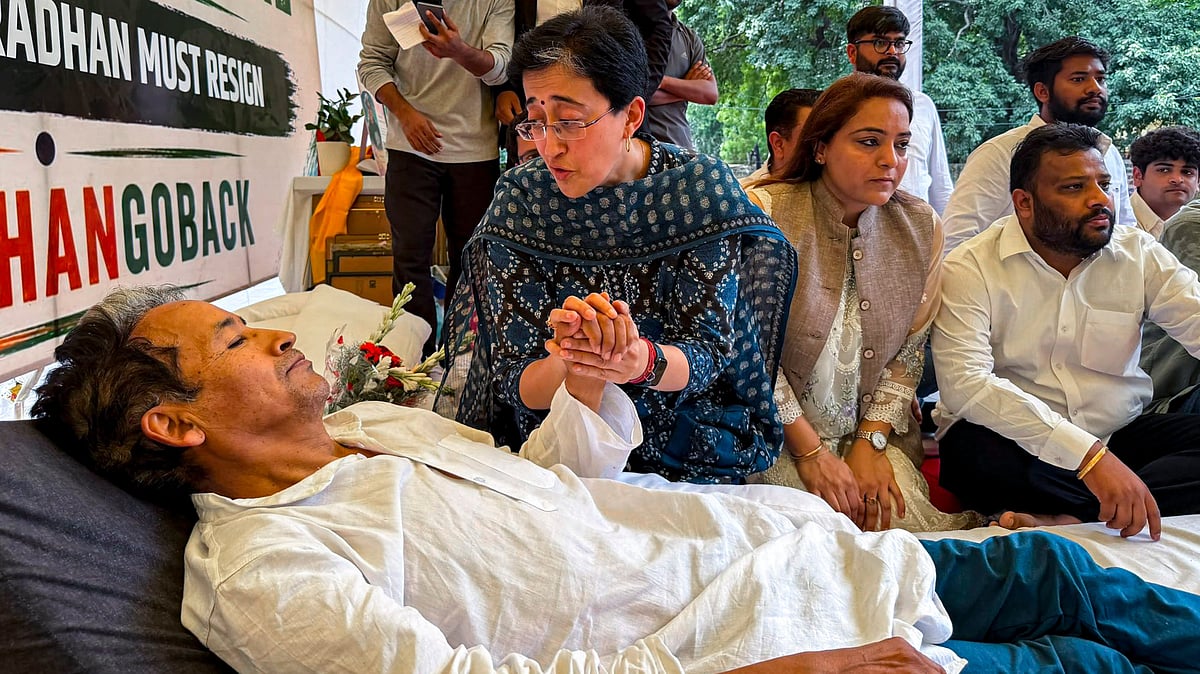
Sonam Wangchuk began his indefinite hunger strike on June 28 at Jantar Mantar in Delhi. The CJP protest over exam irregularities started on June 20. On July 13, the 16th day of Wangchuk’s fast, his health bulletin showed he had lost 8.2 kg and his blood glucose had fallen to 67 mg/dL. His blood pressure was 107/70 mm Hg. AISA activist Deepak was hospitalized after 16 days of fasting, with blood pressure at 80/40 mm Hg for three days.
Important Numbers and Facts
Wangchuk has lost 8.2 kg since starting his fast. His blood glucose is 67 mg/dL, which is below normal. Deepak lost about 15% of his body weight. The CJP protest has been going on for 24 days. A march to Parliament is planned for July 20, the first day of the Monsoon Session. The CJP is demanding Pradhan’s resignation and Rs 1 crore compensation for families of students who died by suicide over exam issues.
Background and Context
Hunger strikes have a long history in India as a form of peaceful protest. In 2011, activist Anna Hazare went on hunger strikes for the Jan Lokpal bill. His first fast lasted four days, and his second lasted 12 days. The current protest is different because it has gone on longer, and the health of participants is more serious. The CJP says the government has not shown concern, unlike in 2011 when a committee was formed to address Hazare’s demands. The issue of exam paper leaks has affected many students across India, leading to protests and calls for accountability.
Public or Industry Reaction
Several political leaders have visited the protest site. Aam Aadmi Party leader Atishi expressed support, saying paper leaks are destroying the future of youth. Communist Party of India (Marxist) MP Amra Ram and other party leaders also showed solidarity. Atishi posted on X that the protesters are fighting for youth rights and that the government must listen. The CJP founder Abhijeet Dipke criticized the government for not starting talks, calling it a “battle of egos.” He said acknowledging a mistake is a sign of maturity, not weakness.
What This Means Going Forward
The health of hunger strikers is a major concern. If the government does not respond soon, more activists may need hospitalization. The planned march to Parliament on July 20 could increase pressure on the government. The CJP has said they will continue until their demands are met. The situation highlights the growing frustration over exam irregularities and the government’s response. Without dialogue, the protest could escalate, leading to more health risks and public attention.
Final Take
The hunger strike by Sonam Wangchuk and others has reached a critical point. With health declining and no government response, the risk to lives is real. The protest is not just about one issue but reflects a larger demand for accountability in education. The coming days will show whether the government will engage in talks or let the situation worsen.
Frequently Asked Questions
Why is Sonam Wangchuk on a hunger strike?
Sonam Wangchuk is protesting against alleged exam paper leaks and demanding the resignation of Education Minister Dharmendra Pradhan. He is also seeking compensation for families of students who died by suicide over exam irregularities.
How long has the hunger strike been going on?
Wangchuk’s indefinite fast started on June 28 and has entered its 16th day. The overall protest by the CJP began on June 20 and has been going on for 24 days.
What are the health risks for the protesters?
Prolonged hunger strikes can lead to severe weight loss, low blood sugar, low blood pressure, and organ damage. Wangchuk has lost 8.2 kg, and activist Deepak was hospitalized due to critical health conditions.