
Summary
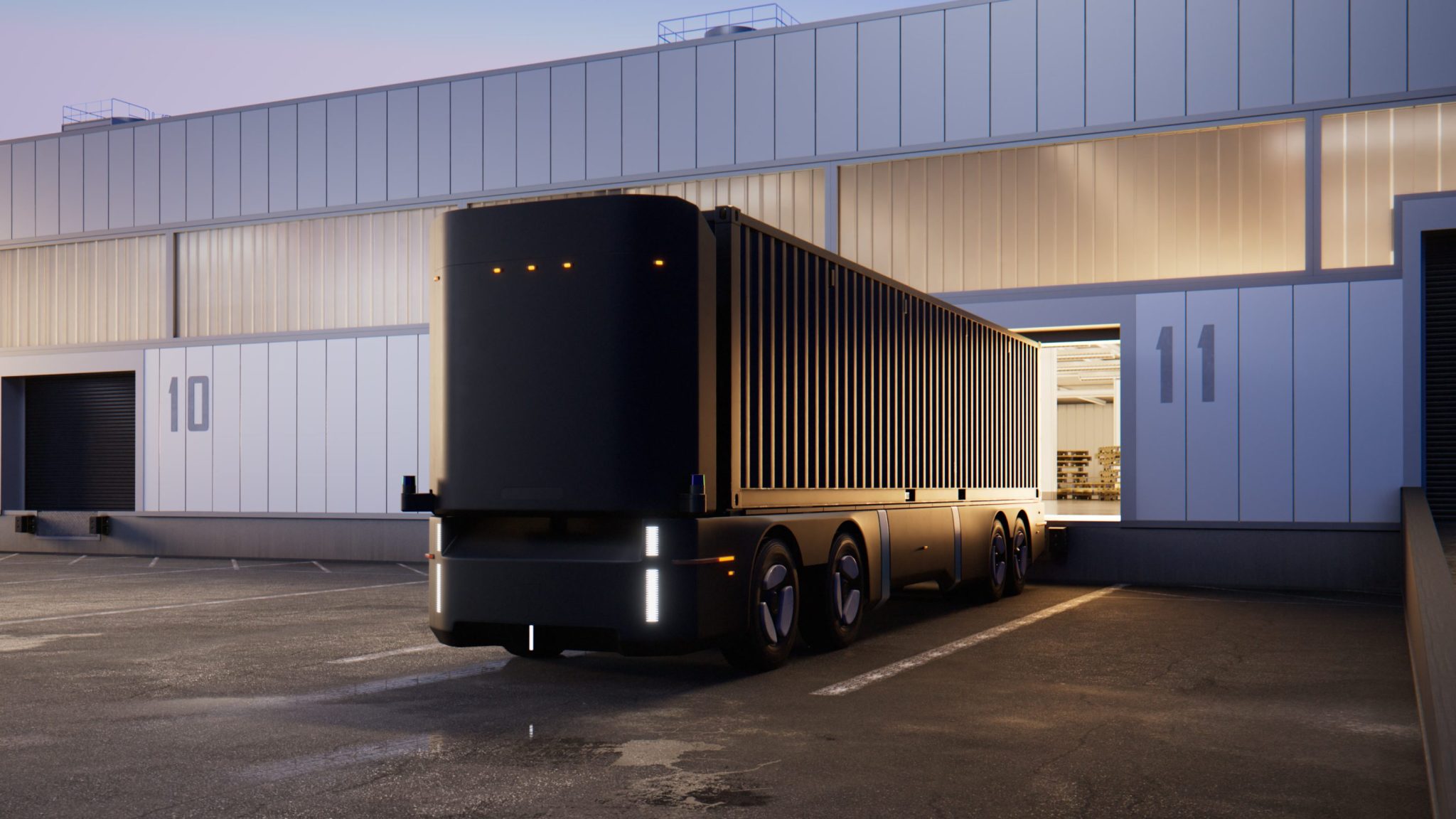
A new startup called Humble has officially launched its first vehicle, a fully electric and autonomous truck designed to change the freight industry. Based in San Francisco, the company recently secured $24 million in funding to bring its "Humble Hauler" to the market. Unlike traditional trucks, this vehicle does not have a cabin for a driver, allowing it to be more efficient and carry more cargo. This move comes as the U.S. trucking industry, worth over $900 billion, looks for new ways to move goods more cheaply and safely.
Main Impact
The arrival of the Humble Hauler marks a major shift in how self-driving trucks are built. Most companies in this space take a standard truck and add sensors and computers to it. Humble has taken a different path by removing the driver’s cabin entirely. This design choice makes the vehicle lighter and creates more space for sensors to see in every direction without any blind spots. By focusing on a "dock-to-dock" model, Humble aims to handle the entire journey of a shipping container, from the starting warehouse to the final destination, without needing a human driver to take over at any point.
Key Details
What Happened
Humble emerged from a period of secret development to show off its new technology. The company’s leader, Eyal Cohen, believes that trucks were never originally meant to be self-driving, so his team decided to rebuild them from the ground up. The Humble Hauler is a platform that can carry 40-foot and 53-foot shipping containers. It uses a mix of cameras, radar, and light-sensing technology called LiDAR to navigate roads safely. The truck is powered by a modern type of artificial intelligence that helps it make decisions more like a human would, rather than just following a rigid set of programmed rules.
Important Numbers and Facts
The company raised $24 million in its first major round of funding. This money came from investors like Eclipse and Energy Impact Partners. The U.S. freight market is currently valued at $906 billion, and the specific market for self-driving trucks is expected to grow to over $3.2 billion by the year 2035. Humble claims that its new design can make shipping businesses 30% to 50% more efficient. The team behind the project includes experts who previously worked at major companies like Tesla, Waymo, Apple, and Uber.
Background and Context
Trucking is the backbone of the American economy, but it faces many challenges, including high fuel costs and a shortage of drivers. For years, companies have tried to solve this with self-driving technology. However, most competitors use a "hub-to-hub" system. In that system, a self-driving truck moves goods between big centers near highways, but a human driver must still handle the "last mile" through busy city streets. Humble wants to skip this step. By making the truck fully autonomous from start to finish, they hope to remove the need for extra hand-offs, which can save time and money for shipping companies.
Public or Industry Reaction
Investors are showing strong support for this new approach. Jiten Behl, a board member at Humble who previously helped lead the electric vehicle company Rivian, noted that the potential for massive efficiency gains makes the technology hard for logistics companies to ignore. Industry experts are also watching closely because Humble claims it can reach its goals with much less money than previous self-driving projects, which often spent billions of dollars before seeing results. Government officials are also getting involved, as new federal laws are being introduced to create a clear set of rules for how these trucks can operate on public roads.
What This Means Going Forward
The next step for Humble is to start testing its trucks in real-world pilot programs. Because the vehicle is fully electric, it also helps shipping companies meet their goals for reducing pollution. However, there are still hurdles to clear. The company must prove to regulators that a truck without a human inside is safe for the highway. The "Self Drive Act of 2026" is a new piece of legislation that could make it easier for companies like Humble to operate across state lines. If successful, this could lead to a future where large shipping containers move across the country silently and without any human intervention.
Final Take
Humble is not just trying to build a better truck; it is trying to redefine what a truck is. By removing the driver’s seat, they have created a machine built specifically for the age of artificial intelligence. While the road to full automation is long, the combination of a specialized design and a highly experienced team puts Humble in a strong position to change the way goods move across the world.
Frequently Asked Questions
What makes the Humble Hauler different from other self-driving trucks?
Most self-driving trucks are standard vehicles with sensors added on. The Humble Hauler has no driver’s cabin, which allows for better sensor placement and more efficiency.
Is the Humble Hauler electric?
Yes, the vehicle is fully electric, which helps reduce carbon emissions and can lower fuel costs for shipping companies.
Does a human need to drive the truck at any point?
Humble is designing the truck to be "dock-to-dock," meaning it is intended to handle the entire trip from the loading dock to the unloading dock without a human driver taking over.



