
Summary
A major human smuggling ring has been dismantled in the United Kingdom after a long investigation. A group of men, primarily of Kurdish origin, were sentenced to prison for running a highly organized operation that moved roughly 100 migrants into Europe every week. The gang became famous for using a "Tripadvisor-style" system, where they used social media to advertise their illegal services and build a reputation among people looking to cross borders. This case highlights the growing use of digital tools by criminal networks to manage large-scale human trafficking operations.
Main Impact
The sentencing of these individuals marks a significant victory for the UK’s National Crime Agency (NCA) and border security forces. By taking down the leaders of this network, authorities have disrupted a major pipeline that brought thousands of people into Europe and the UK illegally. The impact goes beyond just the arrests; it reveals the sophisticated methods modern smugglers use to find "customers." The use of reviews and social media ratings to sell dangerous journeys shows how organized crime has adapted to the digital age, making it harder for traditional policing to keep up.
Key Details
What Happened
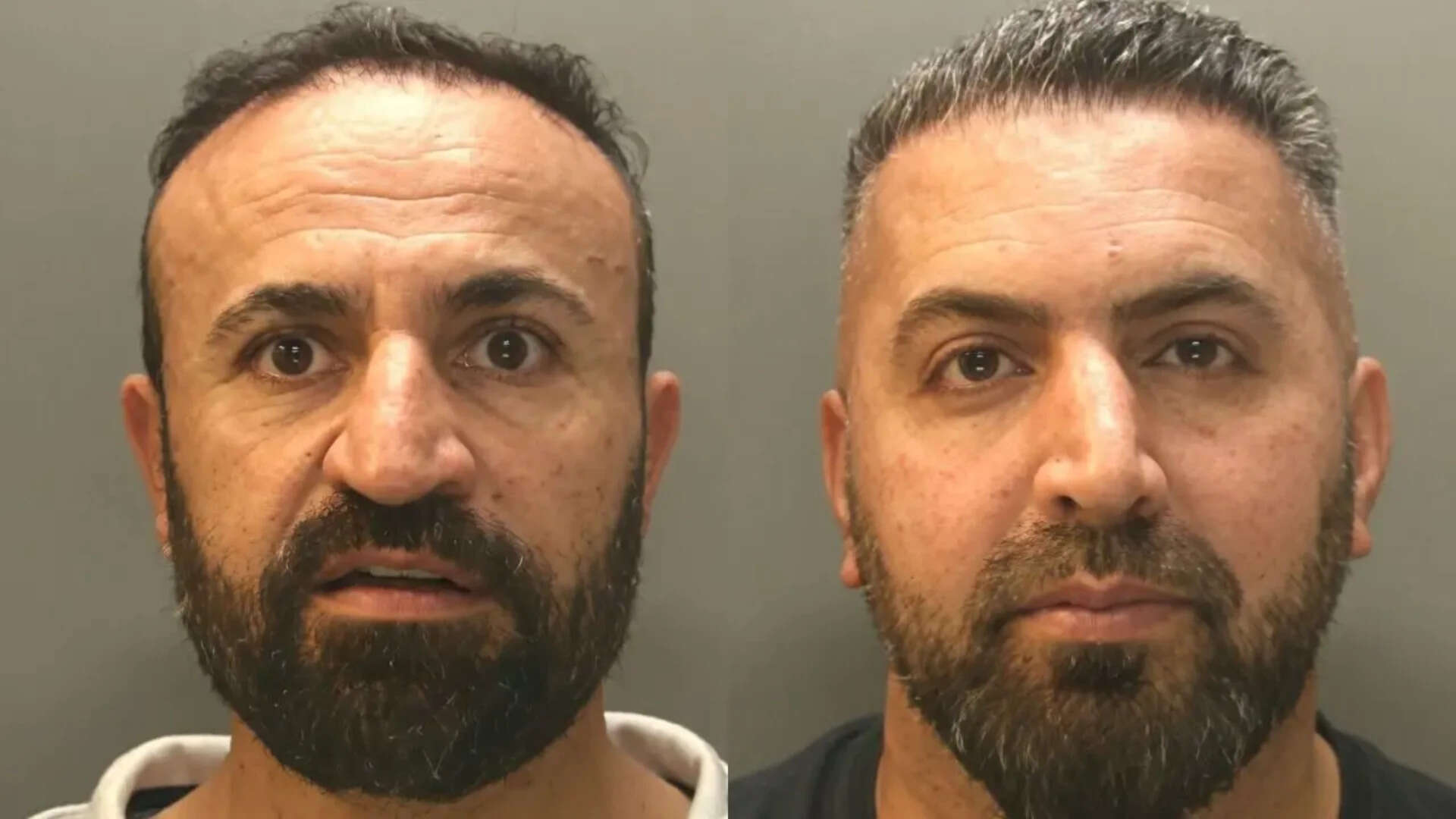
The criminal group was led by Tarik Namik, who worked with several other men to coordinate a complex travel network. They did not just provide transport; they managed an entire logistics chain. This included finding drivers, securing safe houses, and organizing different legs of the journey from the Middle East through Europe. The group used social media platforms to post "success stories" and testimonials from migrants who had successfully reached their destinations. This helped them build trust with vulnerable people who were willing to pay thousands of pounds for a chance to start a new life.
The investigation found that the gang was moving people in the back of lorries and small boats. These conditions were often cramped, dark, and lacked proper ventilation, putting many lives at risk. Despite the dangers, the gang continued to scale their business, treating the movement of human beings like a high-volume shipping company.
Important Numbers and Facts
The scale of the operation was massive. Evidence presented in court showed that the group was responsible for moving about 100 people every single week. Over the course of their operation, this added up to thousands of individuals. The costs for these journeys were also high, with migrants often paying between £5,000 and £10,000 depending on the route and the level of "service" promised.
In terms of legal consequences, the leader, Tarik Namik, was sentenced to eight years in prison. His associates received sentences ranging from four to five years. During the raids, police seized large amounts of cash and mobile phones that contained records of their "customer" interactions and financial transactions.
Background and Context
Human smuggling has become a multi-billion dollar global industry. Many people fleeing conflict or poverty in the Middle East and Africa look for ways to reach Europe. Because legal routes are often closed or very difficult to access, they turn to illegal smugglers. In the past, these smugglers operated mostly through word of mouth in physical markets or border towns. However, the rise of encrypted messaging apps and social media has changed everything.
Criminals now use these platforms to reach a global audience. They can share GPS coordinates, send photos of the boats or trucks they use, and even provide "customer support" to those on the move. This "business-like" approach makes the smuggling rings appear more professional and safer than they actually are, which lures more people into dangerous situations.
Public or Industry Reaction
Government officials and law enforcement leaders have praised the outcome of this case. The National Crime Agency stated that this group was one of the most significant smuggling networks they had targeted in recent years. Public reaction has been a mix of relief that the gang was caught and concern over how easily they were able to operate for so long. Human rights groups have also commented, noting that while the smugglers are criminals, the high demand for their services exists because there are so few safe and legal ways for refugees to seek asylum.
What This Means Going Forward
This case will likely lead to changes in how border agencies monitor social media. Authorities are now looking for ways to track illegal advertisements and "review" systems used by smugglers before they can gain a large following. There is also a push for better international cooperation, as these gangs operate across many different countries. For the UK, this sentencing is a message that the government is getting tougher on organized immigration crime, but experts warn that as long as the demand remains high, new groups will likely try to fill the gap left by the Namik gang.
Final Take
The dismantling of this "Tripadvisor-style" smuggling ring shows that criminal groups are becoming more tech-savvy and organized. While the prison sentences handed out to Namik and his team are a step toward justice, the case highlights a much larger problem. Stopping human smuggling requires more than just arrests; it requires a way to counter the digital marketing of illegal routes and a deeper look at why so many people are willing to risk everything on a "rated" journey across the sea.
Frequently Asked Questions
Why was it called a "Tripadvisor-style" racket?
The gang used social media to post reviews and ratings from migrants they had smuggled. This helped them build a reputation for being "reliable" and attracted more customers, much like a travel website.
How many people did the gang smuggle?
The investigation revealed that the group was moving approximately 100 people every week into Europe and the UK, totaling thousands of individuals over time.
What happened to the leader of the group?
Tarik Namik, the head of the operation, was sentenced to eight years in prison. He was caught after a long investigation by the National Crime Agency that tracked his financial and digital footprint.

