Summary
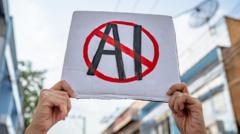
As artificial intelligence becomes more common in creative work, a new movement is growing to protect human creators. Many people are now looking for a way to tell if a book, a piece of art, or a product was made by a person or a computer. This has started a global race to create an "AI-Free" or "Human-Made" logo that shoppers can easily recognize. These labels aim to give consumers a choice and help support the livelihoods of real artists and writers.
Main Impact
The rise of these logos could change how we shop and how we value creative work. Just as people look for "Organic" or "Fair Trade" stickers on their food, they may soon look for "Human-Made" labels on digital and physical goods. This movement is a direct response to the fear that AI is taking over jobs and making it harder for people to trust what they see online. By using a clear symbol, creators can show the value of their time, effort, and personal touch, which a machine cannot truly copy.
Key Details
What Happened
In recent months, several different groups have started designing logos to mark products as being made by humans. These organizations want to create a standard that everyone can use, similar to how recycling symbols work. The goal is to stop the confusion caused by AI-generated content, which often looks very realistic but is made by software. Artists, writers, and designers are leading this push because they want to protect their work from being replaced by automated tools.
Important Numbers and Facts
The use of AI tools has grown faster than almost any other technology in history. Millions of images and articles are now created every day using computer programs. Because of this, public trust in digital content has dropped. Surveys show that a large number of consumers prefer to buy items made by people, even if they cost a little more. Currently, there are at least five major groups trying to launch their own version of a "Human-Made" seal of approval. The challenge is making sure that one single logo becomes the global standard so that customers do not get confused by too many different symbols.
Background and Context
To understand why this is happening, we have to look at how AI works. These programs learn by looking at millions of examples of human work. They then use that information to create new things very quickly. While this is helpful for some tasks, many people feel it is unfair to the original creators. There is also a worry that if everything is made by AI, human creativity will start to disappear. The "AI-Free" logo is a way to fight back against this trend. It reminds people that there is a person behind the work who spent years learning their craft.
Public or Industry Reaction
The reaction to these logos has been mixed but mostly positive among creators. Many artists feel that a logo will help them stand out in a crowded market. They believe it gives them a way to prove their work is authentic. On the other hand, some tech experts say it will be very hard to enforce these labels. They wonder how a group can truly prove that no AI was used at any point in the creative process. Some companies are also worried that these labels might make AI look "bad" when it can actually be a helpful tool for many workers.
What This Means Going Forward
In the future, we might see new laws that require products to be labeled if they use AI. For now, the movement is mostly led by private groups and individuals. The next big step will be finding a way to verify these claims. Some groups are looking at "digital watermarks" or tracking software to prove a human did the work. If one logo becomes famous and trusted, it could become a powerful tool for marketing. It would allow businesses to charge a "human premium" for products that are guaranteed to be made without the help of machines.
Final Take
The race for an AI-free logo shows that people still value the human connection in what they buy. Even as technology gets better and faster, the effort and emotion of a human creator remain special. These labels are not just about stopping technology; they are about making sure that human skill still has a place in our world. As these logos become more common, they will give power back to the people who create with their own hands and minds.
Frequently Asked Questions
What is an AI-free logo?
It is a symbol placed on products or digital content to show that they were created by a human being without the use of artificial intelligence tools.
Why do we need these labels?
Many people want to support human artists and writers. These labels help shoppers identify authentic work and avoid products made entirely by computer programs.
How can you prove something is human-made?
This is still being decided. Some groups suggest using digital tracking, while others may require creators to sign a legal promise that they did not use AI for their work.