
Summary
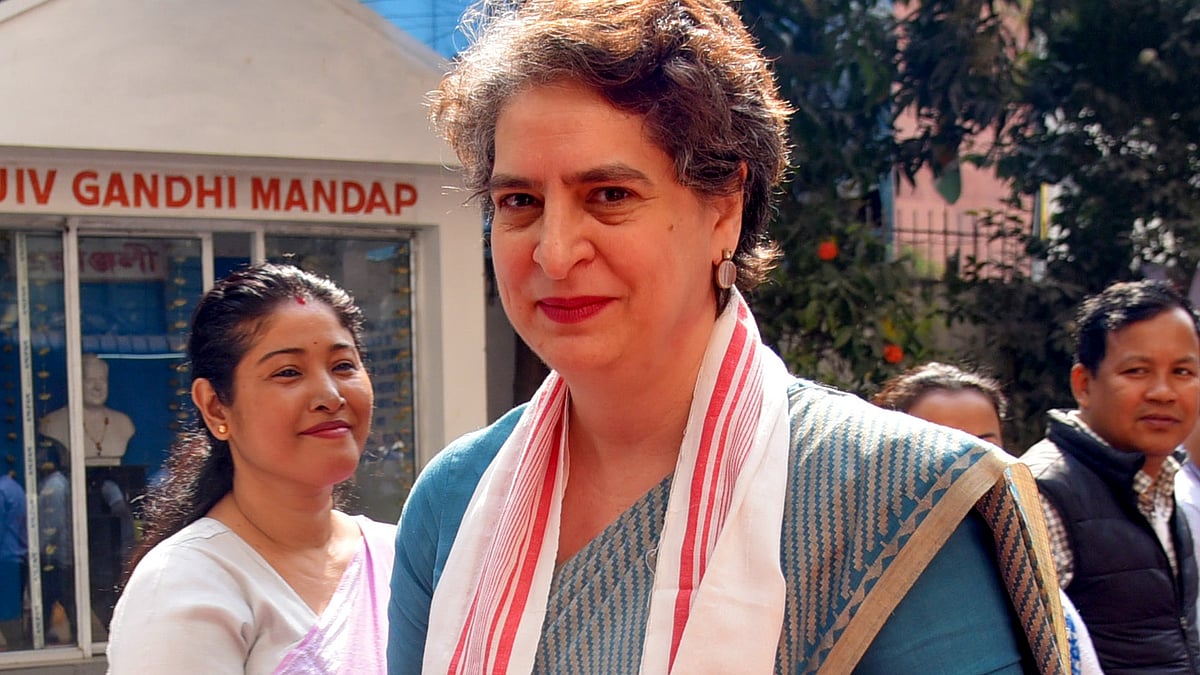
Priyanka Gandhi Vadra, a senior leader of the Congress party and Member of Parliament from Wayanad, has called on Prime Minister Narendra Modi to address the humanitarian crisis in Gaza during his official visit to Israel. She expressed her hope that the Prime Minister would use his speech at the Israeli Parliament, known as the Knesset, to speak up for innocent victims. This request comes at a time when India is looking to strengthen its business and security ties with Israel.
Main Impact
The comments made by Priyanka Gandhi highlight a significant disagreement within Indian politics regarding foreign policy. While the current government is focusing on building a strong strategic partnership with Israel, the opposition is pushing for a more vocal stance on human rights. This debate puts pressure on the Prime Minister to balance India's national interests, such as defense and trade, with its long history of supporting peace and justice on the global stage. The outcome of this visit could shape how the world views India's role as a mediator in international conflicts.
Key Details
What Happened
As Prime Minister Narendra Modi prepared for his two-day trip to Israel, Priyanka Gandhi shared her thoughts on social media. She specifically asked the Prime Minister to mention the "genocide" of thousands of innocent people, including women and children, in Gaza. She believes that India has a moral duty to stand for what is right. During his trip, the Prime Minister is expected to meet with top Israeli leaders and deliver a major speech to their lawmakers. This visit is seen as a way to grow the relationship between the two countries, which has become much closer over the last decade.
Important Numbers and Facts
The Prime Minister's visit begins on Wednesday and will last for two days. This is his second time visiting Israel in nine years. His first visit took place in July 2017, which was a historic moment because it was the first time an Indian Prime Minister had ever visited the country. During that 2017 trip, the two nations officially upgraded their relationship to a "strategic partnership." This means they agreed to work very closely on important issues like military technology, water management, and agriculture. The current trip aims to build on those foundations with new deals in trade and defense.
Background and Context
For many years, India has tried to maintain a careful balance in the Middle East. Historically, India was one of the strongest supporters of the Palestinian cause. However, in recent years, the relationship with Israel has grown rapidly. Israel is now one of India's top suppliers of military equipment. At the same time, the conflict in Gaza has caused a lot of concern around the world due to the high number of civilian deaths. The Congress party argues that India is moving away from its traditional values by not speaking out more forcefully against the violence affecting Palestinians.
Public or Industry Reaction
The Congress party has been very vocal in its criticism of the government's current stance. Jairam Ramesh, who handles communications for the party, accused the government of being "hypocritical." He claimed that while the government says it supports the Palestinian people, its actions suggest otherwise. He argued that the government has effectively turned its back on the crisis. On the other hand, supporters of the government believe that the Prime Minister is doing what is best for India's security and economy by staying focused on the partnership with Israel. This internal political tension shows that foreign policy is becoming a major topic of debate within India.
What This Means Going Forward
The Prime Minister's speech at the Knesset will be watched closely by people all over the world. If he chooses to mention the situation in Gaza, it could signal a shift in how India handles its relationship with Israel. If he focuses only on trade and defense, it will likely lead to more criticism from opposition parties at home. In the long run, India wants to be seen as a leader that promotes peace. Moving forward, the government will have to find a way to keep its strong ties with Israel while also addressing the humanitarian concerns raised by the international community and domestic critics.
Final Take
The visit to Israel is a major step for India's global goals, but it also brings difficult moral questions to the surface. Priyanka Gandhi's call for justice serves as a reminder that foreign policy is not just about trade deals and weapons; it is also about the values a country stands for. The world will be watching to see how India chooses to lead during this sensitive time.
Frequently Asked Questions
What is the Knesset?
The Knesset is the name of the national parliament of Israel. It is where lawmakers meet to pass laws and where the Prime Minister of India is scheduled to give a speech.
Why is PM Modi visiting Israel?
The main goals of the visit are to improve cooperation in defense and trade. India and Israel work together on many things, including technology, farming, and military equipment.
What is the opposition's main concern?
The opposition, led by the Congress party, is concerned that the Indian government is not doing enough to help the people in Gaza. They want the Prime Minister to demand justice for the civilians affected by the conflict.

