
Summary
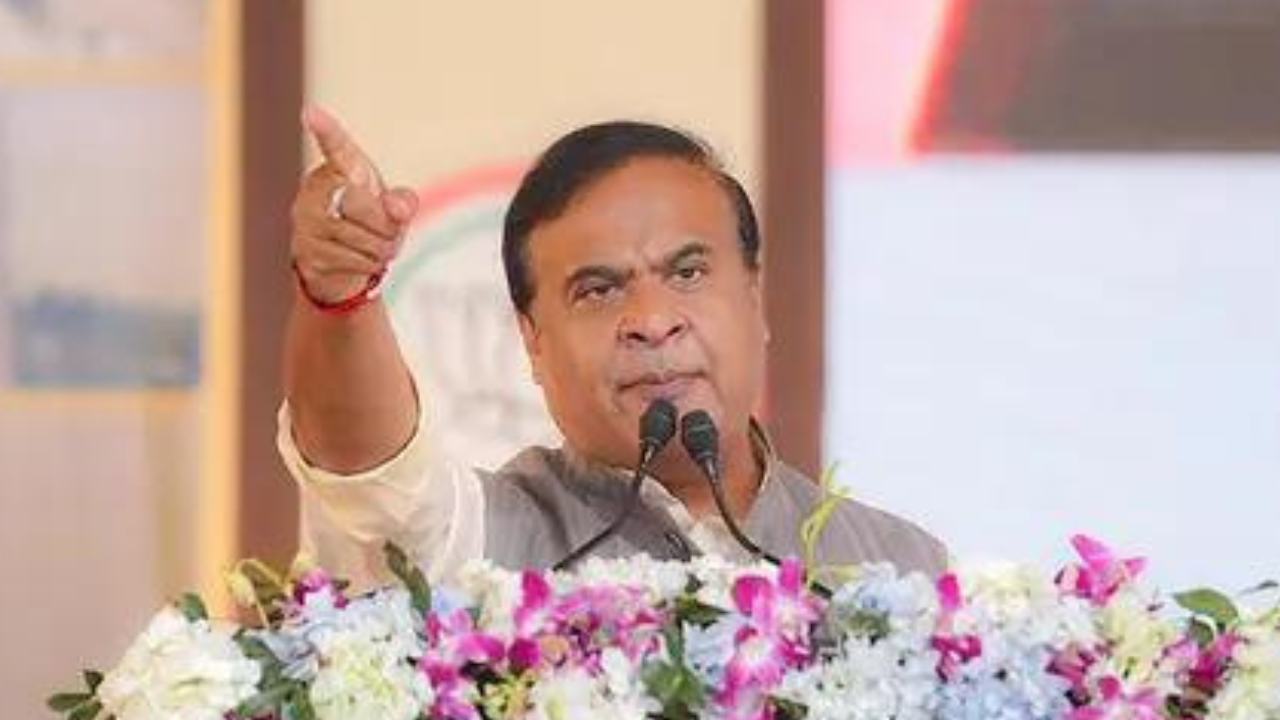
Assam Chief Minister Himanta Biswa Sarma has sparked a new political debate by raising the issue of beef consumption during his election campaign. The Chief Minister specifically targeted Kunki Chowdhury, a candidate from the Assam Jatiya Parishad (AJP), which is an ally of the Congress party. Sarma accused Chowdhury’s parents of eating beef and stated that legal action would be taken under the state's cattle protection laws once the elections are over. This move has brought religious and cultural sentiments to the center of the political race in the state.
Main Impact
The Chief Minister's statements have shifted the focus of the election campaign toward sensitive cultural and religious topics. By bringing the personal habits of a candidate's family into the public eye, the political narrative has become more polarized. This development puts the opposition on the defensive, forcing them to address questions about religious traditions and state laws. It also highlights the strict enforcement of the Assam Cattle Preservation Act, which has been a major point of discussion since it was introduced a few years ago.
Key Details
What Happened
During a recent campaign event, Chief Minister Himanta Biswa Sarma made direct allegations against the family of AJP nominee Kunki Chowdhury. He claimed that her parents had consumed beef, which he argued goes against the religious feelings of the "Sanatani" or Hindu community. Sarma challenged the candidate to publicly speak out against her parents' actions if she wanted to respect the local culture. He further warned that the government would investigate the matter and take necessary steps under the Cattle Prevention Act after the voting process is complete.
Important Numbers and Facts
The primary legal tool mentioned in this row is the Assam Cattle Preservation Act, 2021. This law was passed to regulate the slaughter, consumption, and transport of cattle in the state. Under this act, the consumption of beef is restricted in areas where Hindus, Sikhs, Jains, and other non-beef-eating communities live. It also bans such activities within a five-kilometer radius of temples or religious centers. The Chief Minister’s promise of "action" suggests that the authorities may look for violations of these specific geographical and religious boundaries.
Background and Context
To understand why this is a major issue, one must look at the political history of Assam. The state has a diverse population with many different religious and ethnic groups. In 2021, the government led by Sarma passed a very strict law regarding cattle. The goal of the law was to protect the religious sentiments of communities that consider the cow sacred. However, critics have often argued that the law is used to target political opponents or specific groups of people.
In the current election cycle, the Assam Jatiya Parishad (AJP) has joined forces with the Congress party to challenge the ruling government. By targeting an AJP candidate, the Chief Minister is also aiming at the larger opposition alliance. This strategy uses cultural identity as a way to connect with voters who feel strongly about traditional values and religious practices.
Public or Industry Reaction
The reaction to the Chief Minister's comments has been sharp. Supporters of the ruling party believe that the leader is simply upholding the law and protecting the sanctity of religious sites. They argue that candidates running for public office should respect the cultural norms of the people they wish to represent. On the other hand, opposition leaders and some members of the public have criticized the move. They view it as an attack on personal freedom and a way to distract voters from more pressing issues like jobs, rising prices, and infrastructure development. Some legal experts have also questioned how the government can take action against individuals for private actions that may have happened in the past.
What This Means Going Forward
As the election continues, it is likely that religious and cultural issues will remain a top priority for the ruling party. The threat of legal action after the election creates a tense environment for the opposition. If the government follows through with an investigation, it could lead to a long legal battle regarding the interpretation of the Cattle Preservation Act. For the voters, this situation forces a choice between focusing on economic development or cultural protection. The outcome of the election will show which of these issues matters more to the people of Assam at this time.
Final Take
The current row over beef consumption shows how deeply personal habits can become political tools during an election. By linking a candidate's family life to state laws and religious sentiments, the Chief Minister has ensured that the campaign remains focused on identity. Whether this leads to actual legal consequences or remains a campaign talking point will only be clear after the ballots are counted.
Frequently Asked Questions
What is the Assam Cattle Preservation Act?
It is a law passed in 2021 that controls the slaughter, transport, and sale of beef in Assam. It specifically forbids these activities near temples and in areas where many residents do not eat beef for religious reasons.
Who is Kunki Chowdhury?
Kunki Chowdhury is a political candidate from the Assam Jatiya Parishad (AJP). Her party is currently in an alliance with the Congress party for the upcoming elections.
Why did the Chief Minister mention her parents?
The Chief Minister accused her parents of eating beef to argue that the candidate and her family do not respect the religious feelings of the majority community. He used this to question her fitness for office and to warn of future legal action.



